Fewer things matter more to the average jewellery store than the health of the engagement and wedding market. Indeed, engagement and bridal jewellery sales are critical to the success of so many independent jewellery businesses in Australia.
Several unique factors separate the sale of engagement and bridal jewellery from the retail of other forms of jewellery. For example, an engagement ring is often the most expensive piece of jewellery a woman will wear. For men, it’s an expenditure that requires painstaking preparation, especially for those customers who, outside of a gift for a girlfriend or relative, have spent very little time, if any, inside a jewellery store.
It’s not uncommon for the purchase of bridal and engagement jewellery to be the most significant final decision of a young consumer’s life. This means that the purchasing process is complex. There’s a substantial amount of money involved, and the jewellery that is selected will likely be worn for a lifetime, symbolising the most important personal relationship the consumer will experience.
Earlier this year, the Australian Bureau of Statistics (ABS) released data on the marriage and divorce rates for 2024. The report found that 120,844 marriages were registered in 2024, a 2 per cent increase from the previous year.
Registered marriages reached dizzying heights in 2022 (127,161); however, for obvious reasons, that was an outlier year that warrants consideration in context. Planned weddings and, by extension, marriages were repeatedly delayed during the COVID-19 pandemic lockdowns. As a result, many couples delayed their marriages until restrictions on public gatherings were lifted, leading to a surge in marriages in 2022.
Beyond the raw numbers, this report had many other interesting slices of information. The increase in Australia’s population from 2005 to 2025 also needs to be taken into consideration.
The report noted that in 2004, the marriage rate, measured per 1,000 residents over the age of 16, was 7.1. Twenty years later, in 2024, the rate remained at 5.5, unchanged from the previous year.
Between 2005 and 2025, Australia’s population has increased by approximately 7,208,000 people, representing a rise of roughly 35.5 per cent. This may indicate that, despite the overall number of marriages and, by extension, weddings, a decreasing percentage of the population is getting married. This may be an indication of evolving attitudes towards marriage.
Other interesting information included the revelation that the median age at marriage for males in 2024 was 32.8 years, a slight decrease from 32.9 years in 2023 but higher than 32.5 years in 2022. The median age at marriage for females was unchanged at 31.2 years in 2024.
As an interesting aside, the report also noted that Australia’s divorce rate was 2.1, down from 2.3 in 2023. The number of divorces fell by 3 per cent from 2023 to 2024.
Meanwhile, marriages lasted for a median of 13.2 years – increasing from 12.1 in 2020 and 13 last year.
The Australian Institute of Family Studies reported that in February, the divorce rate had fallen to its lowest level since the implementation of the 1975 Family Law Act in 2023.
The median age for men to divorce was 47.1 years, while for women it was 44.1. And, while younger couples were divorcing less, divorces in the above-60 age category were rising.
Dr Jan Kabatek, a senior research fellow at the Melbourne Institute of Applied Economic and Social Research, told The Guardian the declining divorce rate reflected a more selective approach to marriage.
“Fewer people are getting married, and the people who are getting married are usually the ones who are more committed, either through religion or because they are older and more experienced,” she said.
“The people who might have got divorced in 2023/2024 already got divorced during Covid. If a lot of people call it quits in 2021, the couples who survive later also have longer marriage durations. Fundamentally, the pool of people who remain married has changed.”
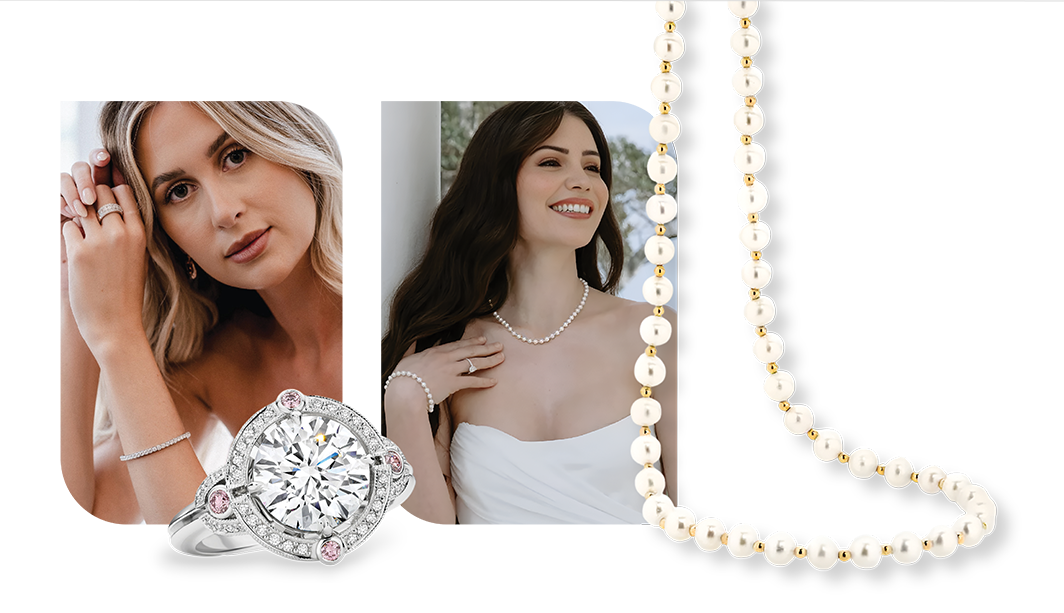 |
| L to R: Calleija | Ikecho |
Changing Attitudes Towards Marriage
Evolving attitudes towards marriage in Australia have been influenced by numerous factors, many of which are worth understanding, particularly as the owner of a jewellery store.
Increased labour force participation of women, especially mothers, has encouraged delays to marriage.
This can be for many reasons, including prioritising tertiary education and career advancement, and by extension, financial stability ahead of marriage.
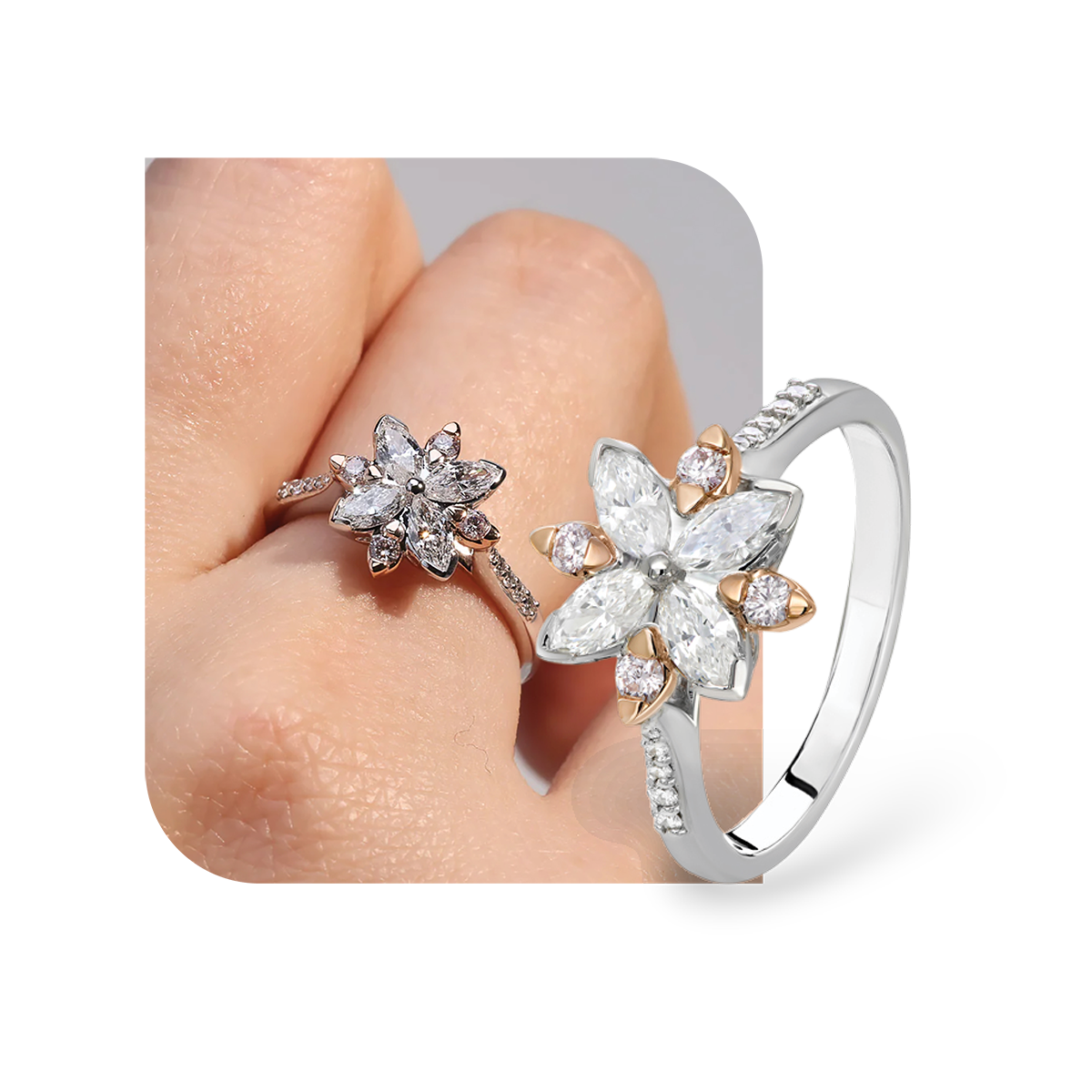 |
| Blush Pink Diamonds |
In recent years, there’s been renewed interest in the importance of ‘try before you buy’ when it comes to marriage. Research published in 2023 found that 83 per cent of couples had lived together before marriage, which is a remarkable contrast with the 16 per cent recorded in 1975.
This may also explain the declining rates of divorce, beyond the impact of the stresses of the COVID-19 pandemic, because people are marrying later; those who do tend to be more intentional/selective, potentially leading to more stable marriages.
The widespread availability of contraception, and in particular the pill, has enabled a disconnection between marriage and childbearing. The disconnection is also connected with the decrease in stigma associated with single parents. In short, contraception was less widely available in the 1970s and, at the same time, being a single parent was ‘frowned upon’.
In simple terms, if a woman fell pregnant, there was an societal urgency to get married. These days, women are less likely to get pregnant because of contraception, and even if they do, there’s less social judgment if an unplanned pregnancy doesn’t result in a marriage.
For others, changing attitudes may merely be a reflection of the institution of marriage, which is viewed by some as less essential, more symbolic, sometimes seen as bound up with patriarchy or outdated structures.
ABS statistics revealed that in 1971, just 6 per cent of people surveyed identified as not following any religion, while 86.2 per cent of people identified themselves as Christian.
When this data was revisited in 2021, 38.9 per cent of people identified as ‘no religion’ compared with 43.9 per cent who identified as Christian.
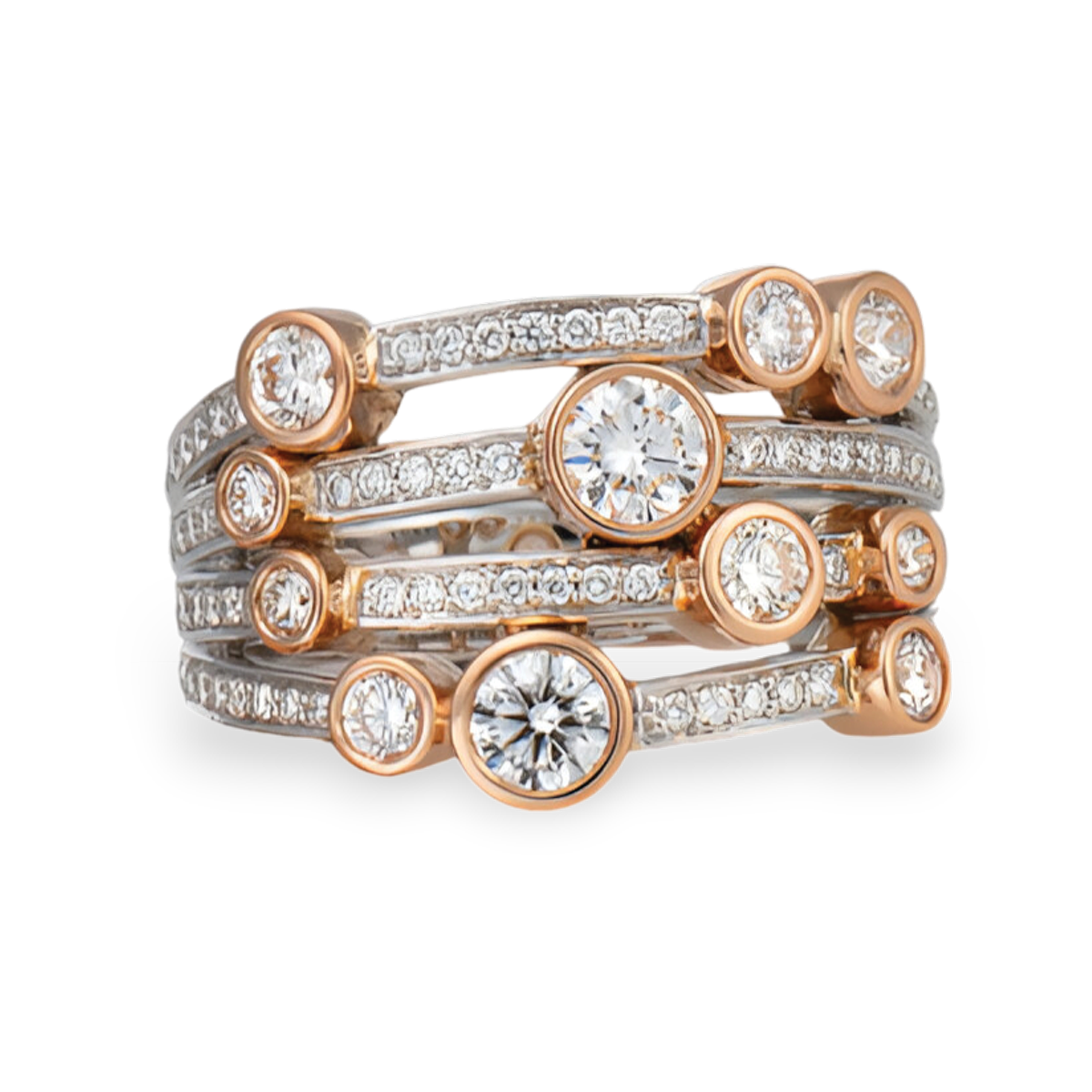 |
| Mark McAskill |
For others, it may simply be a matter of financial pressure. High-priced housing and the struggle to afford everyday necessities are supposed to be decreasing the desire of Australian couples to have children, and by extension, get married.
The Household, Income and Labour Dynamics in Australia Survey (HILDA) has tracked the same 16,000 people for more than two decades, delivering one of the world’s most interesting long-term social surveys.
When deciding whether to have a child, other economic factors such as the security of a partner’s job (78 per cent), the availability and affordability of childcare (75 per cent), and the ability to buy a home (67 per cent) were all recorded as vital.
In 2005, the same project found that 52 per cent of women and 57 per cent of men agreed that marriage was a lifetime relationship and should never be ended. That has fallen to 30 per cent among women and 41 per cent among men.
A separate study found that 25 per cent of young Australians have admitted that living costs have significantly impacted their ability to move in with a partner.
Similarly, 45 per cent shared that those costs had significantly impacted their ability to own a home, and 32 per cent said it had affected their plans to get married.
Finally, there’s the often-quoted research that suggests that younger consumers are prioritising ‘experiences over products’ and are more likely to go on a holiday than purchase a diamond ring.
One survey of 1,000 Australians found that 55 per cent of Australians “still prioritise experiences over material possessions.”
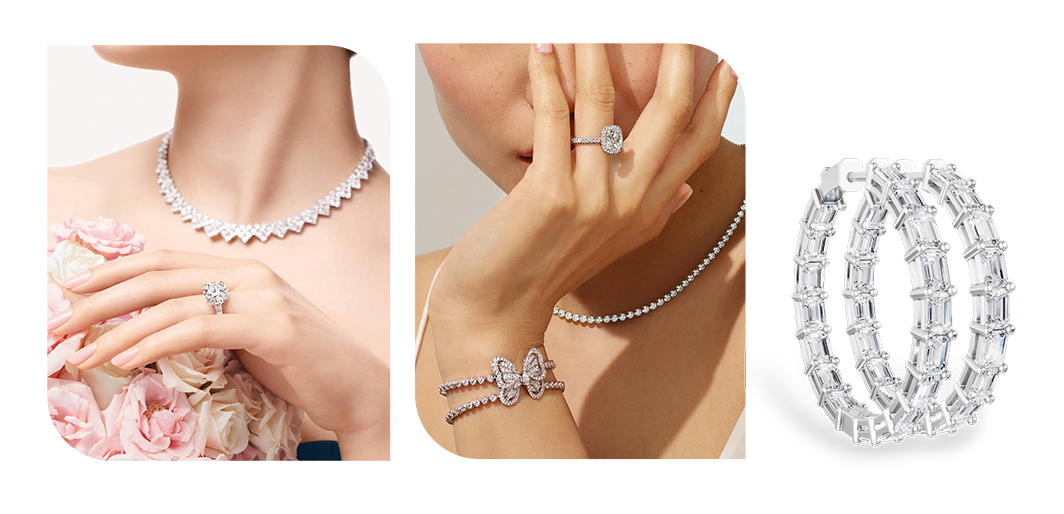 |
| L to R: Harry Winston | De Beers | Skylab Diamond |
What Does This Mean For Your Store?
So, what does all of this mean for your jewellery store? Well, there are many strategies for incorporating evolving attitudes towards marriage into your jewellery business.
As marriage trends evolve, jewellery retailers must adapt their product offerings to reflect the broader and more diverse ways couples now celebrate commitment.
With many people marrying later in life, or choosing not to marry at all, it’s essential to offer more than just traditional engagement rings.
Introducing commitment bands, anniversary rings, or milestone jewellery allows couples to mark meaningful moments in ways that suit their values and timelines.
A successful product range should speak to both younger and older customers.
Younger couples may gravitate toward minimalist, modern designs - think clean lines, slender bands, or unique cuts - while older couples may prefer timeless styles, vintage-inspired details, or rings with a more substantial presence.
By stocking a mix of both, your store can cater to second-time engagements, blended families, and non-traditional unions just as effectively as it can to first-time marriages.
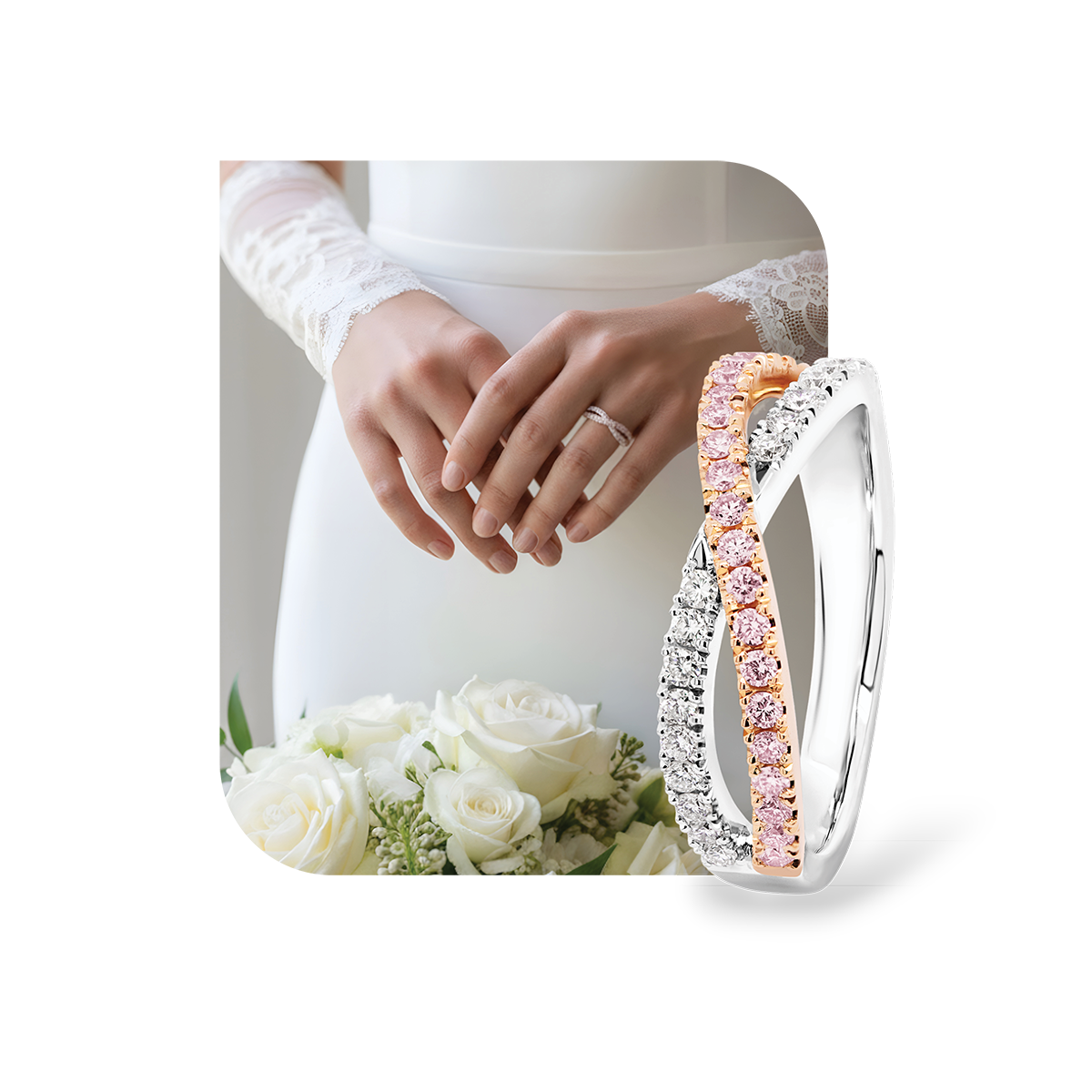 |
| Ellendale Diamonds Australia |
Earlier this year, Jeweller published a report that highlighted the importance of digital marketing in engagement and bridal jewellery sales.
At the time, Independent Jewellers Collective CEO Joshua Zarb said that it was essential to take things back to basics.
“From a digital perspective, it all starts with clear and consistent imagery of designs,” he tells Jeweller.
“Specifically, this means consistent angles, colourations, and videos in all styles and designs.
“In terms of ranging, customers will shop by either shape, colour, or style – so you must ensure that your website allows clients to select designs with easy-to-use filters with minimal clicks to view and purchase.
“Once the basics are in place, you can promote your designs via direct email marketing, social media, and other avenues. I think it is just as important to have an area in-store dedicated to bridal jewellery that at least represents your digital offer in-store.”
To meet shifting consumer attitudes, jewellery retailers can reposition engagement and bridal jewellery purchases as deeply personal experiences rather than transactional moments. Today’s consumers, especially younger buyers, value emotional connection, storytelling, and shared moments.
Offering a choose your own store setting, personalised engraving, and ‘design it your way’ consultations are key to transforming the product as an experience. The same could be said for in-store events like jewellery style workshops and classes on jewellery care and maintenance, to add a tactile and memorable layer to the process.
These strategies help customers form emotional bonds with both the product and the business, making the jewellery not just a possession, but a meaningful experience that reflects who they are and how they love.
Nationwide Jewellers general manager Glen Pocklington encouraged retailers to view the rising demand for custom-made jewellery as an opportunity, not a challenge.
“It is important for our members to capture more business in the expanding custom design market,” he says.
“For today’s consumer, the purchasing journey often begins at home with hours of online research before they will even set foot in a store.
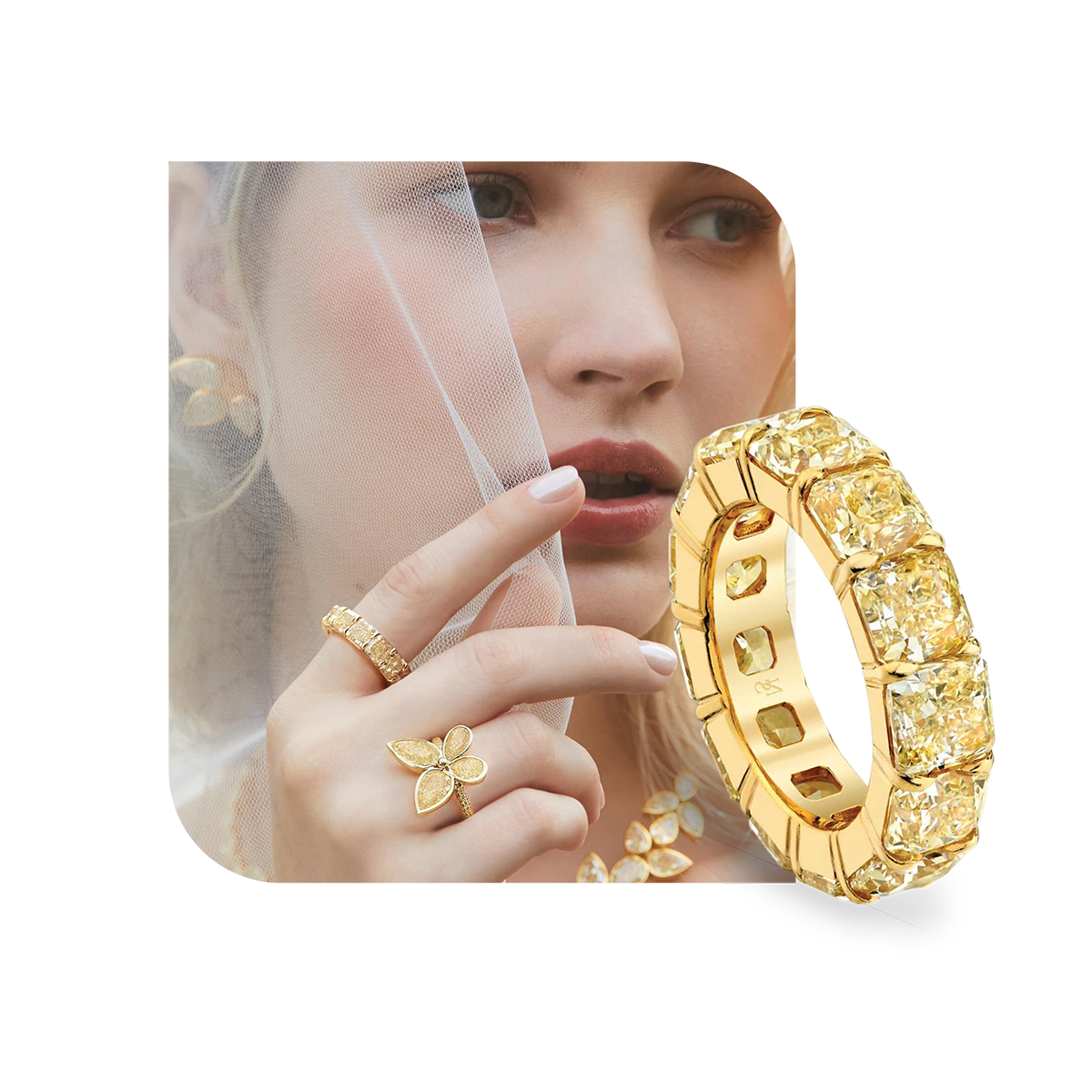 |
| Norman Silverman Diamonds |
“We’ve made it a priority to assist members with integrating various jewellery design plugins into their websites. These plugins are all aimed at providing an interactive and engaging starting point for the consumer’s custom design experience.”
Marketing strategies should evolve alongside changing attitudes toward marriage, reflecting the diversity and individuality of modern relationships. Today’s consumers want to see themselves represented, whether they’re marrying later, not marrying at all, or celebrating love in non-traditional ways. Campaigns should highlight a wide range of couples, ages, and relationship types, using real stories and inclusive language to build emotional connection.
Social media offers a powerful way to bring this to life. Encourage couples to share their ring-buying experience or proposal story, and feature this user-generated content across your platforms. Behind-the-scenes videos, design consultations, and customer testimonials all help humanise your business and turn jewellery shopping into a relatable and aspirational experience.
Showcase Jewellers managing director Anthony Enriquez said that you must never forget the strengths of social media as a platform when designing your digital marketing strategy.
“It’s important to use high-quality imagery and videos showcasing the sparkle, craftsmanship, and emotional connection of bridal jewellery,” Enriquez explained.
“Retailers can leverage social proof by featuring testimonials, real customer stories, and user-generated content to build trust and authenticity.”
Indeed, by leaning into authenticity and connection, you can demonstrate that your business is contemporary and relevant — primarily through social media — and build a business that feels modern and in tune with how people express commitment.
Read eMag