The retail industry has never been particularly fond of standing still. The watch category is no exception.
Every year brings a fresh wave of trends, technologies, consumer preferences, and market disruptions that promise to reshape the landscape. Some arrive with considerable fanfare before quietly disappearing. Others emerge gradually, then fundamentally change the way people spend their money at the counter.
Over the past decade and a bit alone, retailers have witnessed the rise of smartwatches, renewed interest in mechanical timepieces, changing attitudes towards luxury spending, the increasing influence of social media, and the emergence of entirely new consumer demographics.
At various points, industry commentators have confidently predicted the decline of traditional watches altogether, only to see demand for certain categories surge to unforeseen levels.
 |
| Rag & Bone |
Consumer preferences rarely remain static, and the brands, styles, materials, and price points that resonate with shoppers today may not hold the same appeal tomorrow. The question, then, is not whether the watch market is changing. It always is! The more important question is: what changes should retailers be paying attention to right now?
Back to basics?
Predicting trends in the watch market can be a dangerous game. Styles may fall out of favour before unexpectedly returning. Product categories that appear destined for expansion suddenly plateau, while others quietly gather momentum and become impossible to ignore.
What’s perhaps most fascinating about the current watch landscape is that some of the strongest trends are not centred on innovation or complexity. Instead, consumers appear to be rediscovering an appreciation for simplicity. And with so much variety on offer, who can blame them?
The watch industry has spent generations celebrating technical achievement.
Entire brands have built their reputations on increasingly complicated timepieces featuring intricate movements, perpetual calendars, moon phase indicators, and functions that many owners will rarely use.
Yet for many consumers, the appeal of a watch has always extended beyond technical specifications. Vogue recently published its Watches Report for 2026, and writer Gordon Ng eloquently explained the tide’s turn.
“The funny thing about haute horlogerie, or the field of one-upmanship of mind-boggling mechanical complexity, it all boils down to who can make a simple thing best,” writes Ng.
“A mechanical watch, after all, is not a necessity — so the pinnacle challenge is, in fact, designing something so beautiful it feels essential.”
The observation speaks to a shift taking place across the broader luxury market. In an age when smartphones provide more accurate timekeeping for most, consumers often purchase watches for entirely different reasons.
Design, craftsmanship, personal expression, and emotional connection have become just as important as functionality.
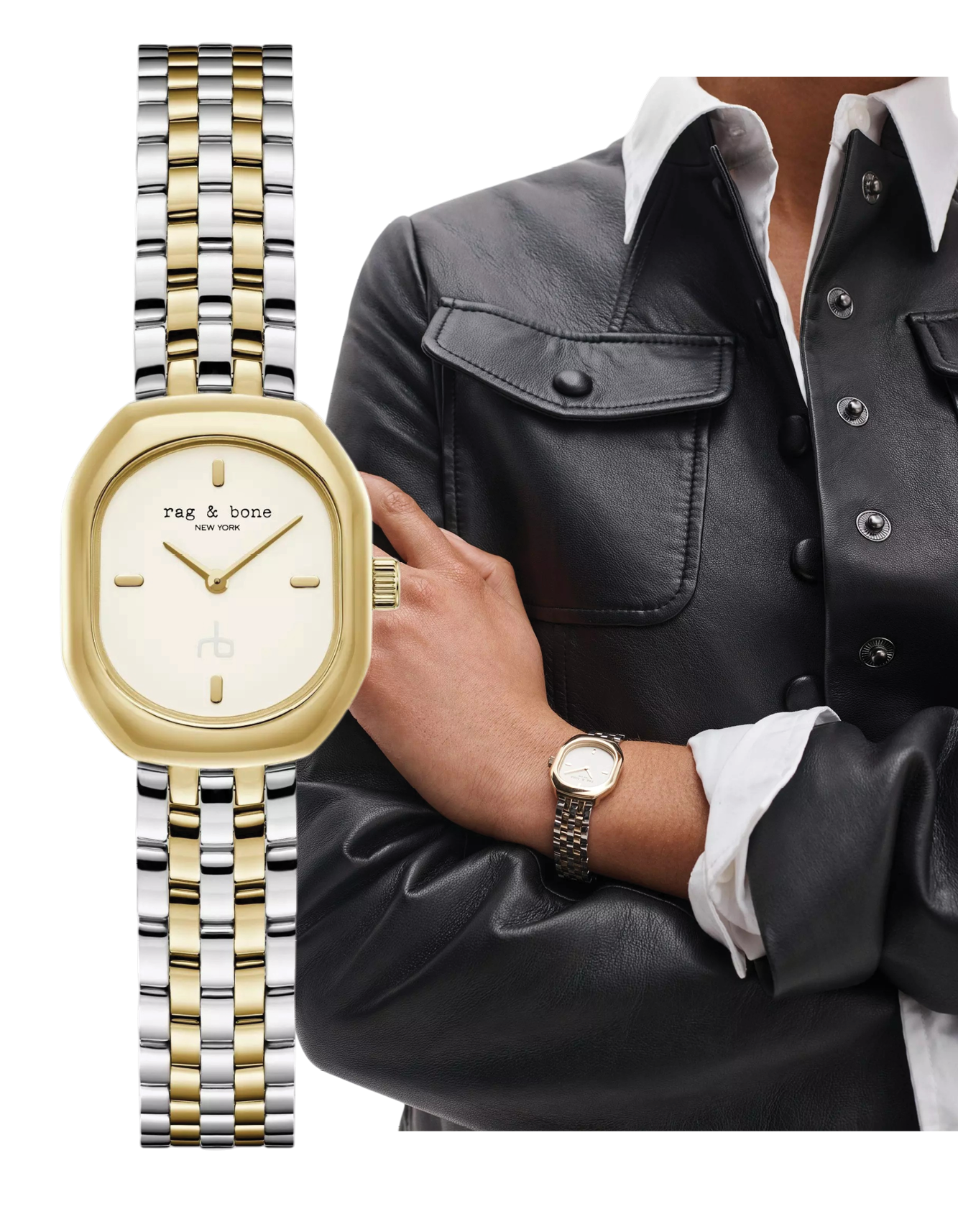
“A big part of the push for simple, beautiful watches finds a natural connection with two trends that have been on the rise. The first is a taste for smaller timepieces, which hit critical mass last year and has turned virtually every watchmaker’s eye to miniaturising and returning to mid-century proportions,” continues Ng.
“The second, and rather vital one, has been the broadening of men’s appetites for jewellery watches. Spurred by stylish celebrities on the red carpet and a wider appreciation for fine jewellery, pretty and petite watches have broken containment from their antiquated ‘ladies’ label.”
The trend suggests an appreciation for versatility, wearability, and understated elegance. While technology and fashion continue to evolve, consumers remain drawn to products that make them feel something. Sometimes the most effective way forward is not to reinvent the wheel, but to refine it.
Reading the tea leaves
One of the most fascinating aspects of the watch industry is that trends often reveal themselves long before they arrive in display cabinets. Manufacturers invest years developing new collections, refining designs, and experimenting with materials before products ever reach consumers. As a result, major industry exhibitions often provide a glimpse into where brands believe demand is heading next.
Among the most influential of these events is Watches and Wonders, the annual trade fair held in Geneva, Switzerland. Featuring more than 60 watchmaking brands, the exhibition attracts retailers, journalists, collectors, enthusiasts, and industry observers from around the world.Everyone leaves with an opinion on what’s hot and what’s not. Among those analysing the latest releases was Ariel Adams of ABlogToWatch, who identified three recurring trends appearing across brands.
 |
| Daniel Wellington | Furla | Tommy Hilfiger |
The first was the continued rise of skeletonised watches.
“What were the most apparent product trends of 2026? From a product feature perspective, the three major trends are pretty clear. One is skeletonisation. So many watches at all price levels are excited to show off their movements or go so far as to cut away at their movements to create more space and lines,” Adams writes.
“These watches are typically hard to read, but there are some exceptions. I am not convinced there should be so many skeletonised watches, but apparently, they still do ok in terms of retail sales.”
The popularity of skeletonisation is perhaps unsurprising. Few consumers genuinely need to see the inner workings of a movement; however, many enjoy the craftsmanship and ‘visual theatre’ that such a dial provides. In a crowded marketplace, a skeleton watch immediately communicates complexity and mechanical sophistication – with a little edge.
Adams also pointed to the continued use of colour as a key product differentiator.
“Another trend is the continued use of colour to create product differentiation. Brands are using ever-wider colour palettes to seek trendy looks with their watches,” Adams continues.
“This is no longer something merely for inexpensive watches, but now very high-end watches are getting minor revisions, with bright colours, as new models. Continued colour exploration is a trend that is here to stay, even if it keeps rapidly evolving.”
For decades, watch design largely revolved around a predictable palette of black, white, silver, and blue. Those days appear to be fading.
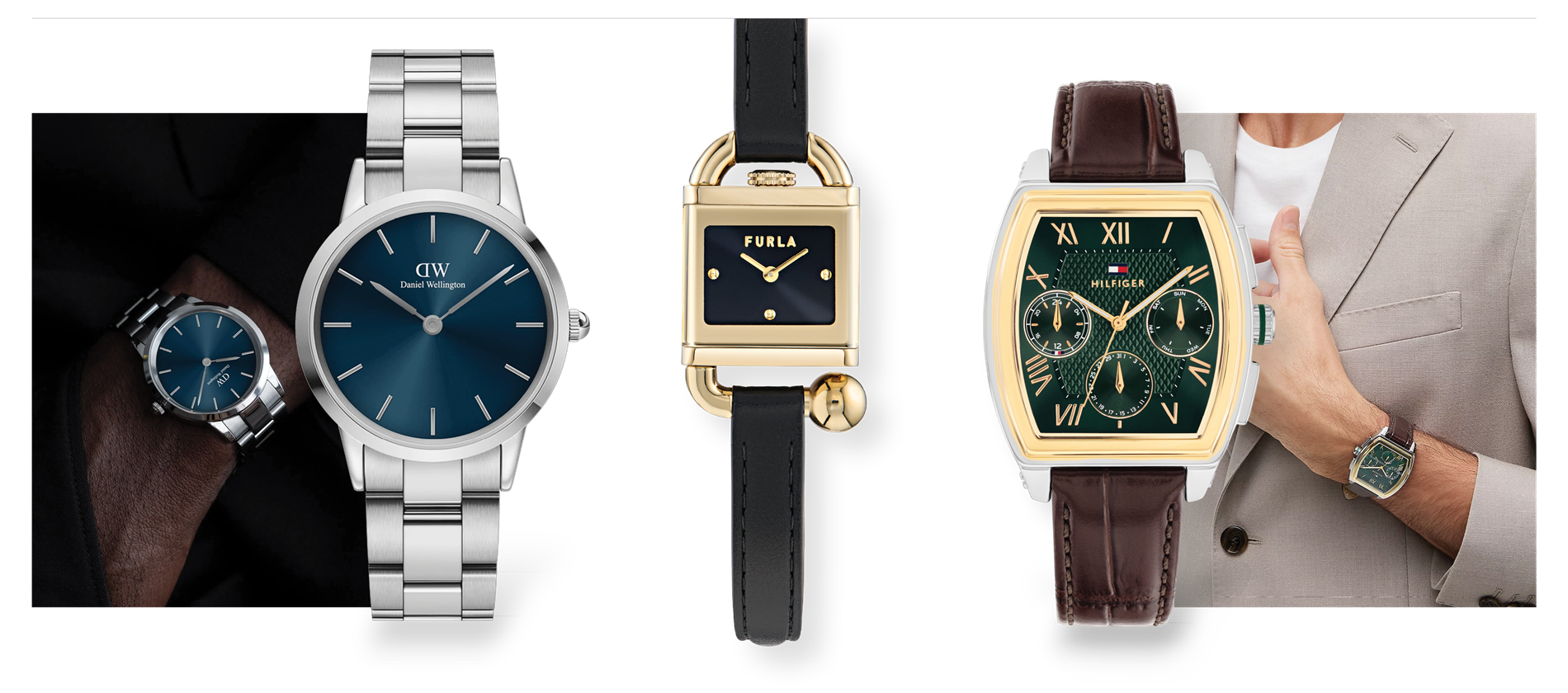
Vibrant dials, coloured bezels, textured finishes, and unconventional combinations are providing brands with new ways to stand out without fundamentally redesigning an entire collection. The third trend identified by Adams centres on materials.
“A third trend is a renewed interest in using new materials and combinations of materials to appeal to consumers. Brands continue to find new industrial materials to build watch cases out of, and existing materials are getting formulated in new ways and blended with other materials,” he explains.
“Exotic materials include hard-to-make or rare metals, industrial products, or natural materials processed in new ways. Very few of these materials have practical utility in timekeeping or durability. Instead, brands are merely experimenting to see which materials consumers will develop a relationship with and ask for again.”
Exotic materials differentiate one watch from another and give consumers another reason to form an connection with their purchase. Taken together, these trends reveal an industry balancing heritage with innovation. Watchmaking remains rooted in craftsmanship and timeless design, yet brands must still find new ways to capture attention.
Constant Evolution
 |
| Classique |
If there is one consistent theme running through today’s watch market, it is that change rarely arrives in isolation.
Consumers are embracing smaller case sizes while simultaneously demanding greater individuality. Brands are refining classic designs while experimenting with bold colours, unconventional materials, and increasingly visible mechanical movements.
Echoing many of these sentiments is Ben McKimm of Man of Many, who argues that the latest developments extend well beyond aesthetics alone.
“Driven by shifting economic realities like the surging price of gold, a cultural pivot toward ergonomic wearability, and a renewed fascination with the cosmos, watchmakers are re-engineering what a luxury timepiece can be,” writes McKimm.
“From the microgravity-ready escapements of the modern space race to the hyper-precise, ultra-thin calibres housed in advanced exotic materials, this year’s releases are as much about conquering physics and material science as they are about traditional aesthetics.
“For enthusiasts and collectors, the overarching message from Geneva is that the industry has shaken off the hesitancy of last year. The future of horology is lighter, stronger, more accurate, and fiercely transparent about the technical mastery required to get there.”
While consumers may be gravitating towards smaller watches, jewellery-inspired designs, and products that place greater emphasis on style and wearability, manufacturers remain deeply committed to technical advancement behind the scenes.
The result is a market that is becoming increasingly diverse. Some consumers are drawn to heritage-inspired designs that would look perfectly at home half a century ago. Others are captivated by cutting-edge materials, innovative engineering, or bold contemporary styling.
The watch industry will likely never stand still. Fortunately, that’s precisely what makes it interesting. For retailers willing to keep their finger on the pulse, the next opportunity is usually only a matter of time.
Read eMag