Retail is only ever as complicated as you make it. You have undoubtedly heard a dozen variations of the same simplification of jewellery retail.
Every customer comes to your store with a problem, and your job is to offer a solution. That solution might be a product, such as jewellery, a watch or another item, or an adjacent service such as a repair.
Behind it all sits the science of inventory management. It becomes an especially pressing consideration in the lead-up to the major trading periods of the year.
This is when retailers are under pressure to have the right products available precisely when customers are ready to buy.
The stakes are high, and too little stock of a popular product can mean missed sales; too much of the wrong product can leave cash tied up in inventory long after the opportunity has passed.
That inevitably brings the conversation around to best sellers. The logic has always been straightforward and is not exclusive to jewellery. If a product sells particularly well, you want to make sure you have enough of it available.
With that said, there is an important question to answer first. What exactly makes a product a best seller?
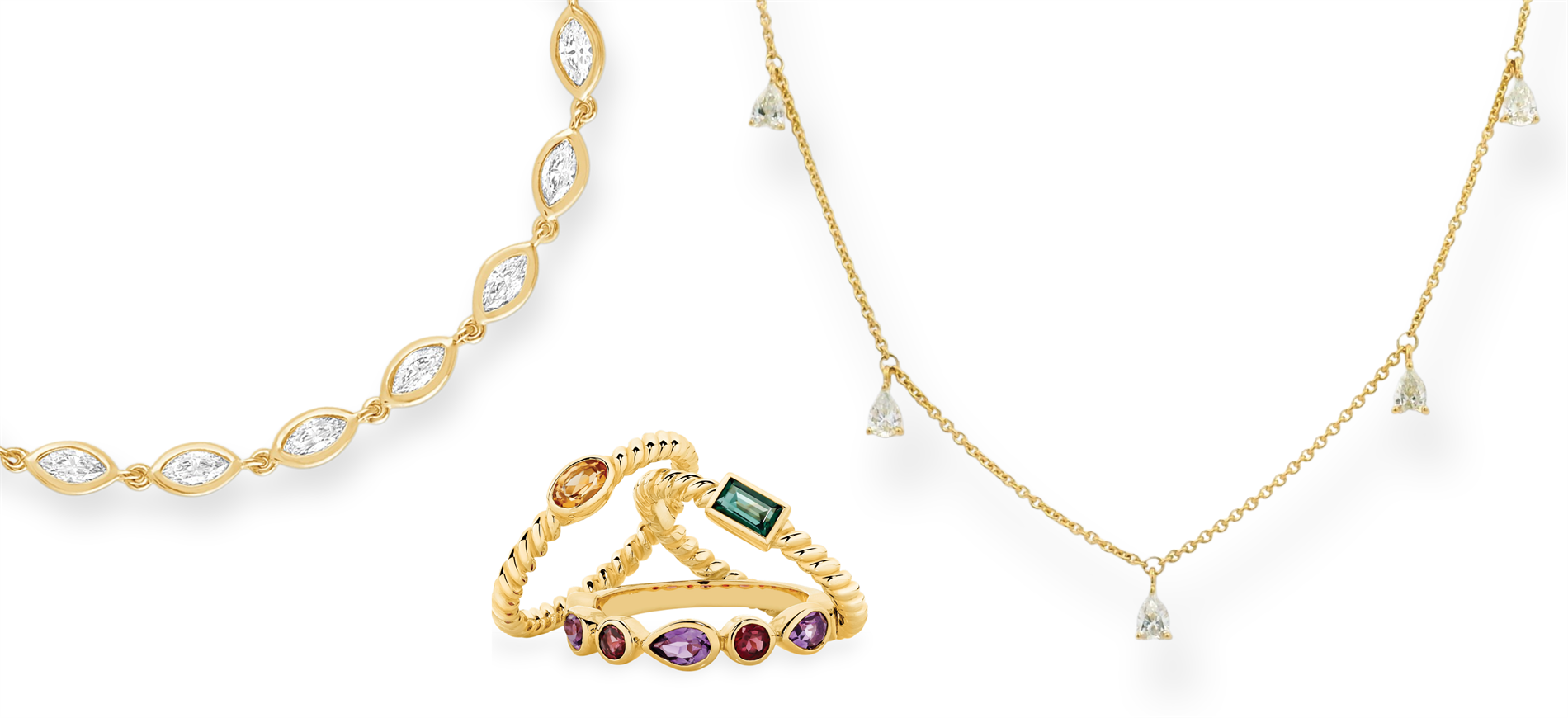 |
| La Couronne | Bolton Gems | ADTC |
Define the category before you rank the product
Most retailers have an instinct for their best-selling products. Whether you review your sales data every day, every week, or only intermittently when you can summon the strength, you probably have a general sense of what customers repeatedly reach for.
The problem is that instinct can be misleading. A product can appear to be a best seller because it has sold more units than another product; that kind of thing is memorable. However, that comparison only has meaning if the two products belong together in a rational category.
A $150 silver pendant and a $5,000 diamond ring are both jewellery; however, comparing their unit sales tells you little about how either is performing. Likewise, comparing a seasonal fashion piece with a core wedding product may produce an interesting number, but not necessarily a useful inventory decision.
Before identifying your best sellers, therefore, you need to define the category in which you are making the comparison. That category should be specific enough to produce meaningful information and broad enough to generate a useful sample of sales.
For a branded jewellery assortment, this can be relatively straightforward. A brand may already have a recognisable design language and established price points. A retailer might analyse a particular brand overall, then break it down further into rings, earrings, necklaces and bracelets, or into meaningful price bands within those categories.
Unbranded jewellery requires a little more thought. Price and volume are two critical dimensions for segmenting the assortment. You might further analyse products by precious metal, diamond quality, gemstone type, product type, or best of all, a combination of these characteristics.
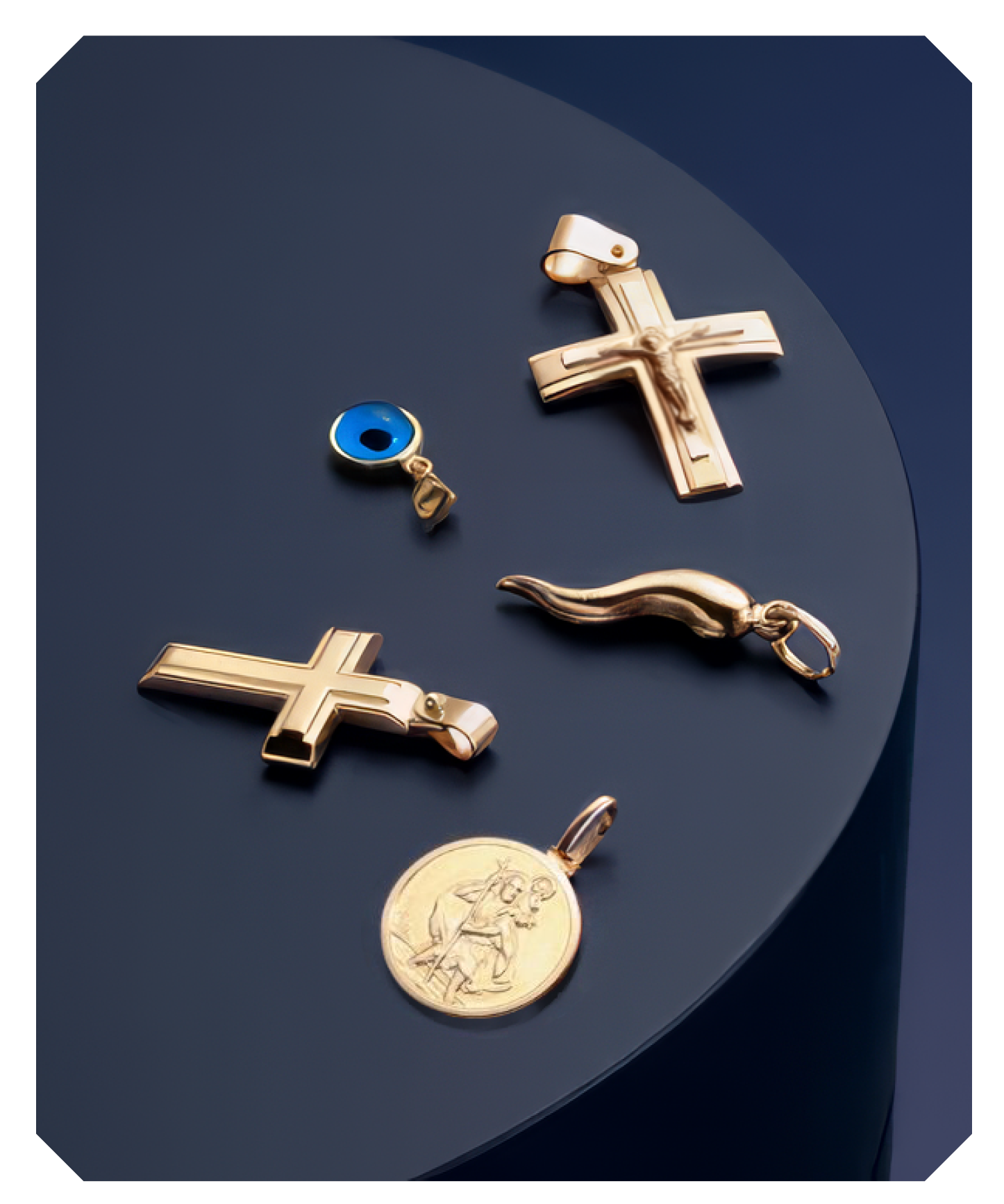 |
| Athan Wholesale Jewellers |
The same principle can be applied to custom-made jewellery. While every piece may be unique, the underlying characteristics of the sale can still be analysed.
Metal, stone type, price range, occasion, and design style can all reveal patterns that are obscured when every product is treated as an entirely separate item.
Others factors that you can incorporate into this analysis include customer profile and the 'purpose' of the jewellery. Categories can be classified by motivations, such as gifts, self-purchase, and of course, bridal and engagement.
The objective isn't to create an overly elaborate classification system for its own sake. It is to make sure that when you call something a best seller, you actually know what it is best at selling against.
Give the data a meaningful timeframe
Once the category is established, the next question is how long you should measure performance. Nationwide Jewellers managing director Colin Pocklington recommends a minimum six-month period for analysing jewellery sales.
For a discretionary product such as jewellery, which typically has a relatively low stock turnover rate, six months provides enough time to build a meaningful sample while still keeping the analysis recent enough to inform purchasing decisions. It also gives marketing activity time to make an impact.
A product that receives prominent placement in a campaign, for example, may not immediately establish itself as a strong performer.
Looking at an appropriately long period helps distinguish a genuine sales pattern from a short-lived spike or a product that is ‘dead on arrival’.
The important point is consistency.
If you decide that six months provides the most useful window for your business, use that same timeframe when comparing categories and reviewing performance. A constantly changing measurement period makes it difficult to identify meaningful trends.
Units tell only part of the story
Within those defined categories, retailers can begin ranking products by unit sales.
The appropriate benchmark will vary widely depending on the category. A $1,000-plus product might be considered a strong performer if it sells more than a handful of units in a year. A $150 silver jewellery piece will need to sell many more units to achieve the same status.
That is why a universal definition of ‘best seller’ doesn't work. Consider a simple example. If a retailer sells ten $150 pieces of silver jewellery, that generates $1,500 in sales. One $2,000 diamond ring generates more revenue despite selling only once.
This doesn't mean the diamond ring is automatically the better product. The two products may serve completely different commercial purposes. The silver pieces may generate steady customer traffic and dependable volume, while the diamond ring may deliver substantially higher revenue and potentially greater gross profit from a single transaction.
This is where retailers need to go beyond the label of ‘best seller’.The right measure depends on the question you are trying to answer.
If the question is, “What do customers buy most frequently?”, units may be the most useful measure.
If the question is, “Where is my sales revenue coming from?”, dollar sales provide a better answer.
The important thing is to know which question you're asking before you start ranking the products.
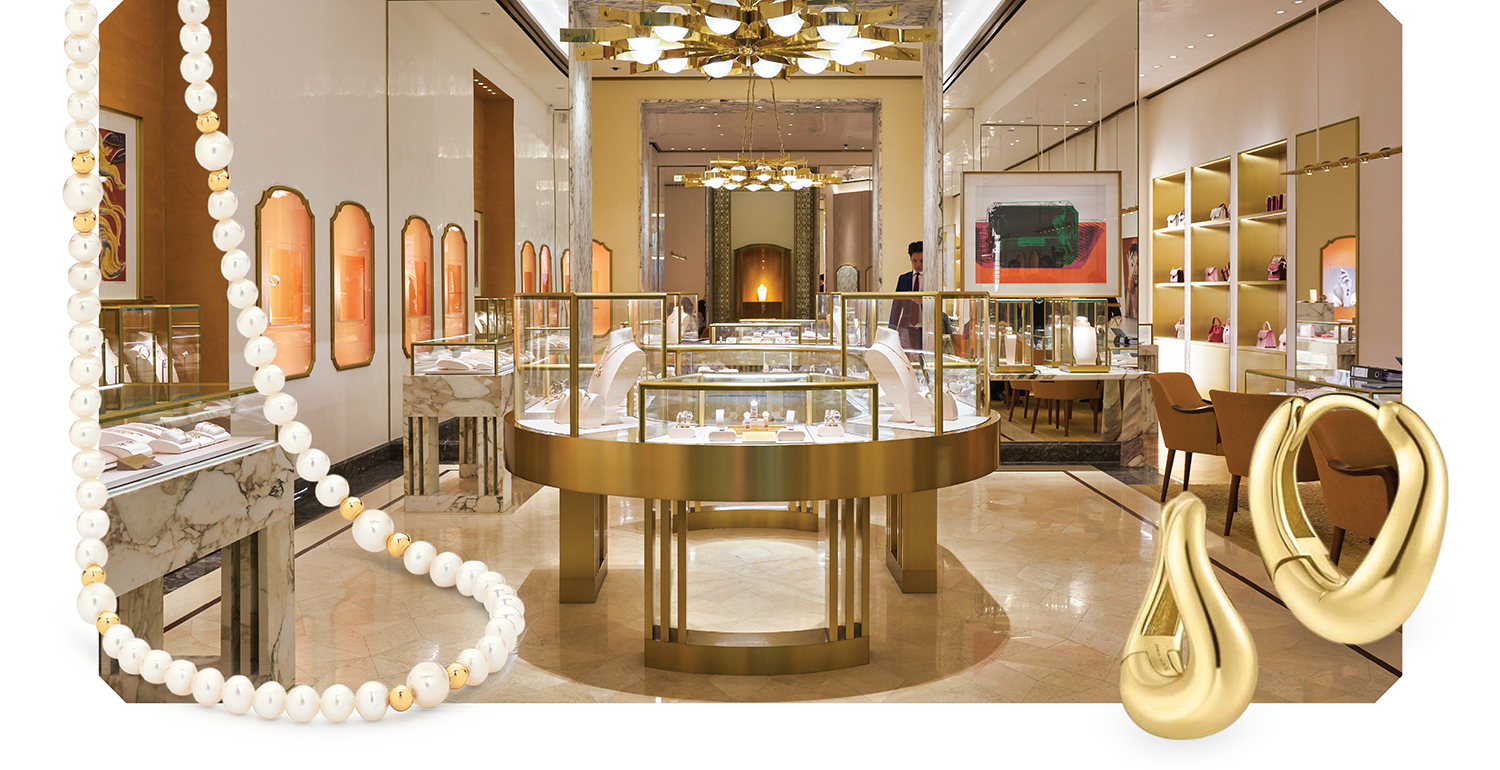 |
| Ikecho | | Duraflex Group Australia |
Customers have already told you they want
Once best sellers have been identified, the inventory decision becomes much easier. If a product consistently performs strongly within its category, then availability matters. Running out of stock can mean losing a sale
that may not be recoverable.
The customer may wait for the product to return; however, they may also shop elsewhere.
This becomes particularly important when the product has a lengthy or unpredictable replenishment time.
A retailer should therefore consider not only how quickly a product sells, but how quickly it can be replaced. If a strong-performing item takes weeks or months to replenish, carrying additional stock may be justified.
That additional inventory has a cost; however, so does an empty display case. The goal is not simply to have more inventory.
It is to have the right amount of the right inventory at the right time. It’s not easy, but nothing worth doing ever is.
Give your best sellers the best opportunity
There is an argument that a store's prime real estate should be reserved for weaker products because best sellers will sell regardless of where they are displayed.
That logic is difficult to defend! If customers have already demonstrated a strong preference for particular products, making those products easier to find gives the retailer an opportunity to sell even more of them.
Best sellers should therefore have access to strong visual merchandising and prominent displays. The objective isn't to rescue products that are already performing poorly. It is to maximise the return from a product that has already demonstrated its commercial potential.
That doesn't mean struggling products should be ignored. Staff can be trained to introduce slower-moving products to appropriate customers, and retailers can experiment with presentation, pricing, and selling techniques.
But prime real estate is scarce. It should be allocated according to evidence rather than aspiration.
Could the good become great?
A relatively small proportion of a retailer's inventory will likely account for a disproportionately large share of sales. That concentration becomes particularly visible during major trading periods.
This is why reviewing performance regularly matters. A weekly review can be enough to identify changes in demand, emerging best sellers and products that are beginning to stagnate. The important thing is to conduct the review consistently and compare like with like, using the same defined categories and measurement periods.
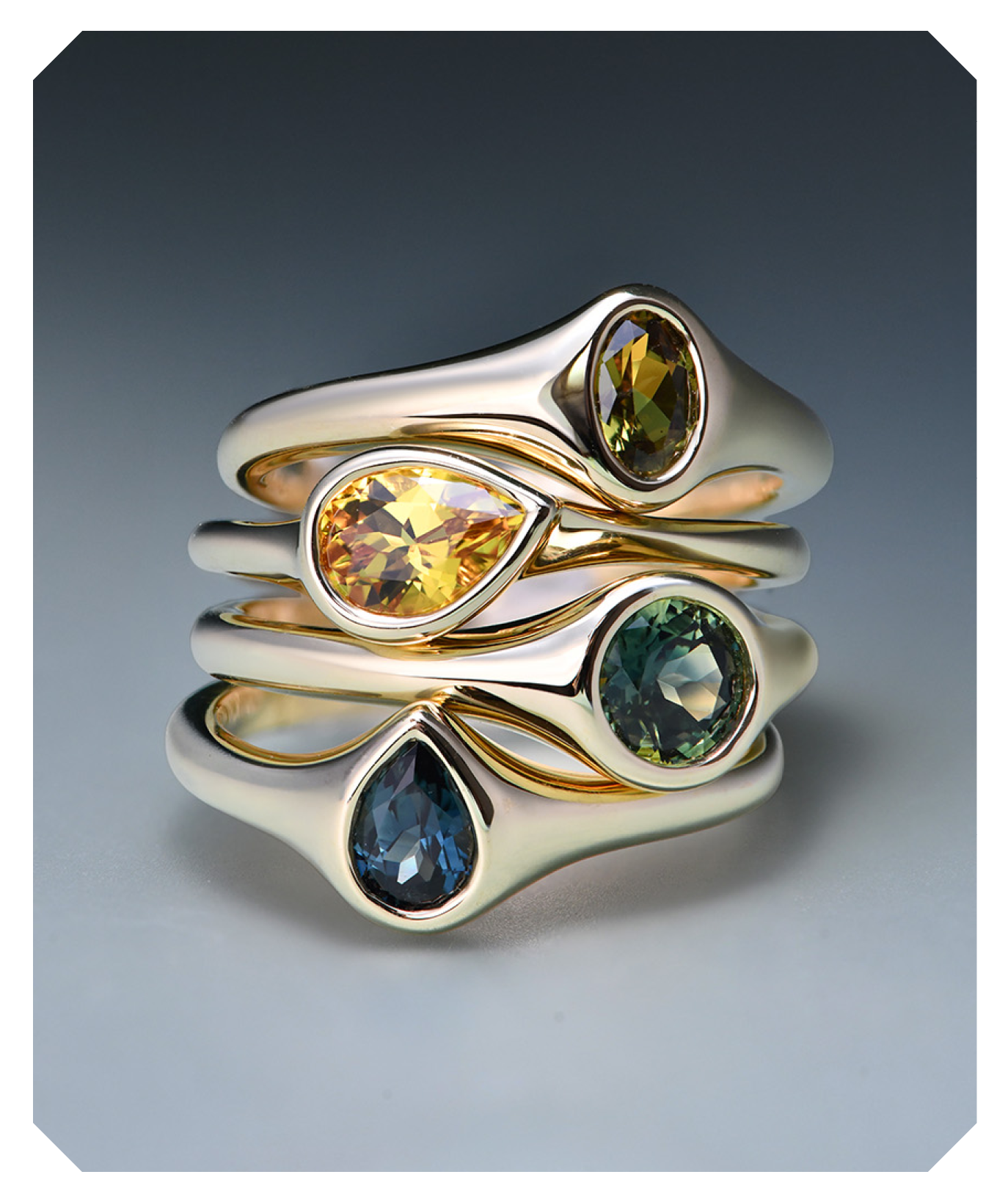 |
| Sapphire Dreams |
The exercise should include more than sales data. Customer feedback can provide valuable context, particularly when a pattern emerges repeatedly, although it shouldn't be the sole basis for a major inventory decision. Supplier relationships and lead times also matter, as does an understanding of what direct competitors are offering.
Finally, there is an opportunity to test pricing on products that have already demonstrated strong demand. If a product is selling consistently, a small margin adjustment may reveal that customers are willing to pay more without materially affecting demand.
Best sellers are a moving target
Managing best sellers isn't a one-time exercise. Products move in and out of favour, customer preferences change, brands evolve, and marketing activity can alter demand.
The most important discipline is therefore not simply knowing which products sold the most in the past six months. It is establishing a repeatable process for identifying what is working now, understanding why it is working, and making purchasing and merchandising decisions accordingly.
Start by defining meaningful categories within a consistent measurement period. Then use that information to determine what deserves more inventory, more prominent placement, and more attention from your sales staff.
The lesson is simple: you cannot optimise what you cannot clearly define.
For jewellery retailers, the best sellers are more than a list of products at the top of a sales report. Properly understood, they are a roadmap for turning demand into better stock availability, stronger cash flow, and greater profitability.
Read eMag