For so many reasons, it could rightly be argued that the distinction between fine and fashion jewellery has never been more blurred. Fortunately for retailers, while it is an interesting situation, it should not be thought of as a problem.
Language is, of course, incredibly important in the jewellery industry. The trade would struggle without clear communication. Furthermore, it’s human nature to attempt to neatly categorise everyone and everything.
With that said, for more than a century, the jewellery industry has attempted to impose order on an aspect of the business that seemingly refuses to comply with rigid definitions. Since the rise of ‘costume jewellery’ in the early 20th century, products have been sorted into categories designed to provide clarity to retailers and consumers alike.
Indeed, fine jewellery became synonymous with permanence, precious materials, and heirloom value. Fashion jewellery, meanwhile, was positioned as accessible, trend-driven, and seasonal.
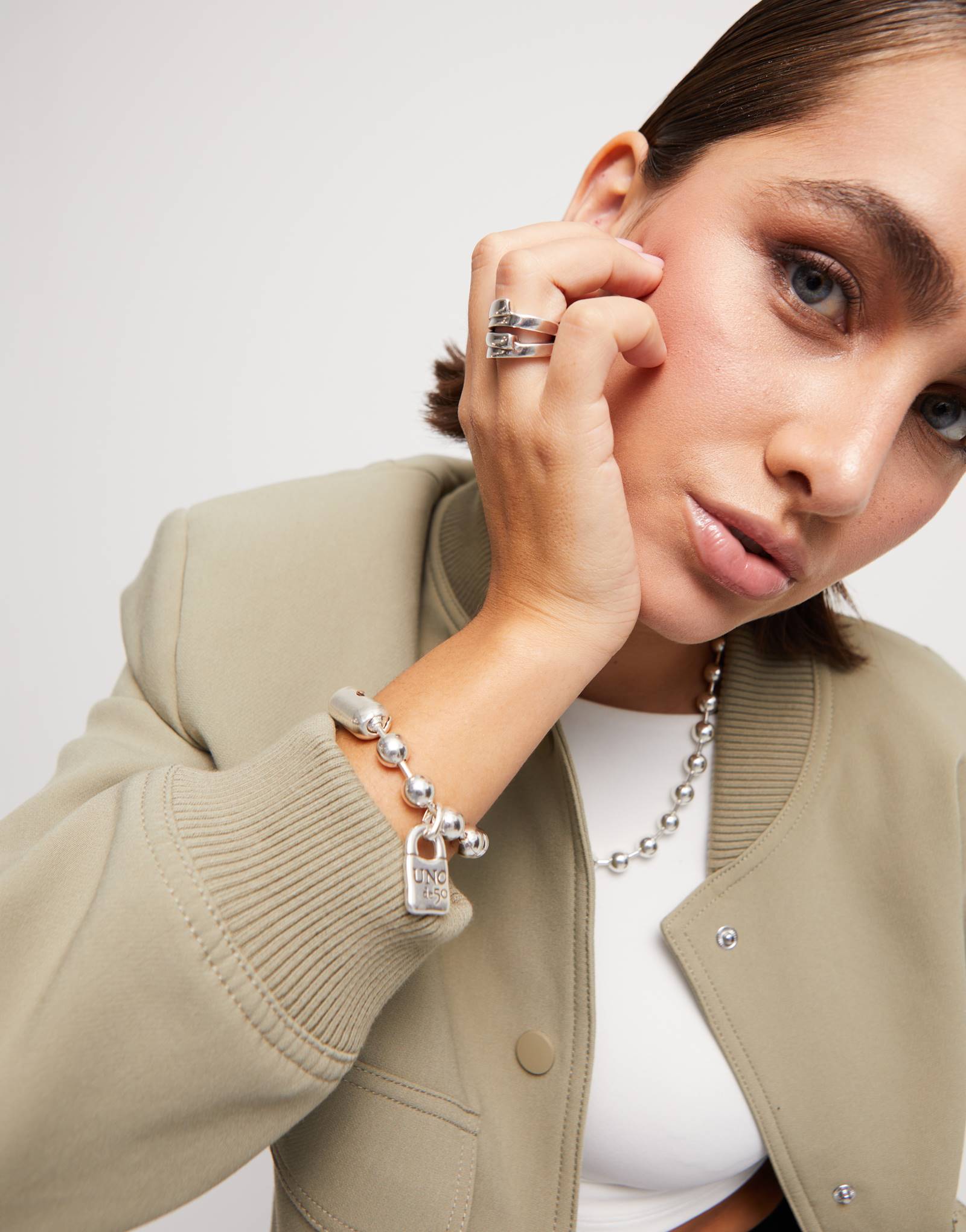 |
| UnoDe50 |
The problem is that jewellery has never complied particularly well with these distinctions.
It is all too easy to pull at the seams of these definitions and expose flaws.
If a sterling silver bracelet features high-quality diamonds, does it remain fashion jewellery because of the metal, or become fine jewellery because of the diamonds? Conversely, if a platinum setting contains cubic zirconia rather than diamonds, does the prestige of the metal outweigh the accessibility and inexpensive nature of the crystal?
While everyone seems to innately have their own definition of fine and fashion jewellery, whether it be based on ‘rules’ or mere ‘vibes’, it takes little interrogation before these classifications start to fall apart.
Fortunately, consumers rarely purchase jewellery according to industry taxonomy alone. They purchase according to emotion, symbolism, aspiration, identity, and budget. The industry may continue debating definitions; the consumer often does not.
Traditionally, fine jewellery has been associated with longevity and emotional permanence. These are objects intended to outlive the purchaser. Fashion jewellery, by contrast, has historically been framed as transient and expressive, designed to satisfy changing tastes rather than commemorate enduring milestones. Even that distinction appears to be collapsing.
Engagement jewellery, arguably the purest expression of fine jewellery, is itself deeply vulnerable to fashion cycles. Trends in cuts, settings, metals, proportions, and styling evolve constantly, often with startling speed.
A celebrity endorsement, viral social media moment, or red-carpet appearance can reshape consumer demand almost overnight. The industry continues to speak about ‘fine’ and ‘fashion’ as though they exist in opposition to one another. The market increasingly suggests otherwise.
Pandora provides perhaps the clearest illustration of this shift. For years, the world’s largest jewellery brand existed somewhat comfortably within the industry’s understanding of fashion jewellery.
Yet over the past several years, Pandora has expanded aggressively into lab-created diamonds, directly challenging inherited assumptions about luxury.
Over time, many prominent voices in the trade have remained dismissive of this evolution.
Lab-created diamonds, they argue, will ultimately occupy what Joshua Freedman of the Rapaport Group once appropriately described as the “lower-cost and lower emotion” segment of the market.
It’s an argument with a great deal of merit; however, there are difficulties to be found in consumer behaviour. The Knot’s 2026 Real Weddings Study, which surveyed more than 10,000 couples married in the United States during 2025, found that 61 per cent of respondents purchased an engagement ring featuring a lab-created diamond.
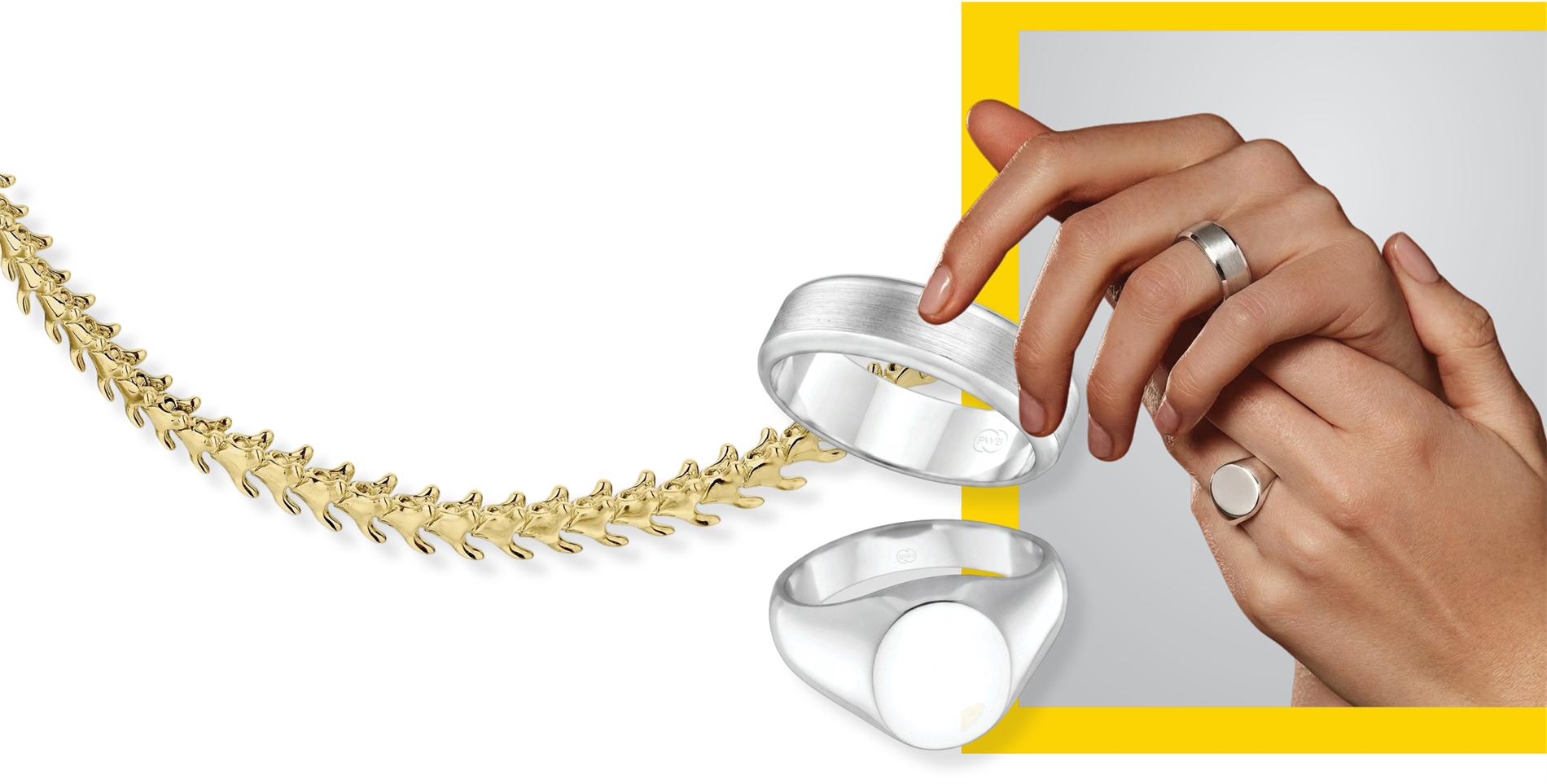 |
| Shaun Leane | Becks |
That figure matters because engagement jewellery occupies a somewhat sacred territory within the traditional fine jewellery hierarchy. If consumers are increasingly selecting lab-created diamonds to symbolise lifelong commitment, then surely material origin alone can no longer function as a reliable dividing line between what is considered ‘fine’ and what is considered ‘fashion.’
The same instability extends beyond diamonds and colour gemstones and into precious metals. White metals somewhat illustrate the collapse of rigid categorisation within modern jewellery retail.
Platinum, palladium, and white gold continue to communicate prestige, permanence, and luxury. At the same time, plated finishes and alternative white metals allow retailers to offer remarkably similar aesthetics at dramatically different price points.
Consumers may move between these categories without hesitation because they are prioritising outcome over classification.
They want jewellery that feels meaningful, versatile, expressive, and aligned with their identity. Whether a piece sits within a traditional industry category is secondary.
This may explain why the industry’s ongoing obsession with rigid definitions concerning fine and fashion jewellery increasingly feels misplaced.
Earlier this year, Pandora intensified the conversation yet again when it launched a range of platinum-plated bracelets in selected stores across Europe. Predictably, the move triggered fierce debate among jewellers online. Some interpreted the launch as an attempt to elevate the company’s positioning. Others rightly viewed it as further erosion of the already unstable boundary between fashion and fine jewellery.
Truthfully, the reaction may have revealed something deeper. Namely, that the industry remains emotionally attached to distinctions consumers have already begun abandoning.
That attachment is understandable. Human beings instinctively seek certainty. Cognitive scientists describe categorisation as one of the most fundamental human processes because it reduces informational overload and creates what psychologists call “cognitive economy.”
Categories simplify decision-making, and they create predictability. They establish a shared understanding.
As cognitive linguist George Lakoff observed: “There is nothing more basic than categorisation to our thought, perception, action, and speech.”
The jewellery industry is no exception. Retailers, suppliers, and consumers all rely on distinction because categories create order. The problem is that not all definitions are created equal, and some markets evolve faster than rudimentary classification can keep up with.
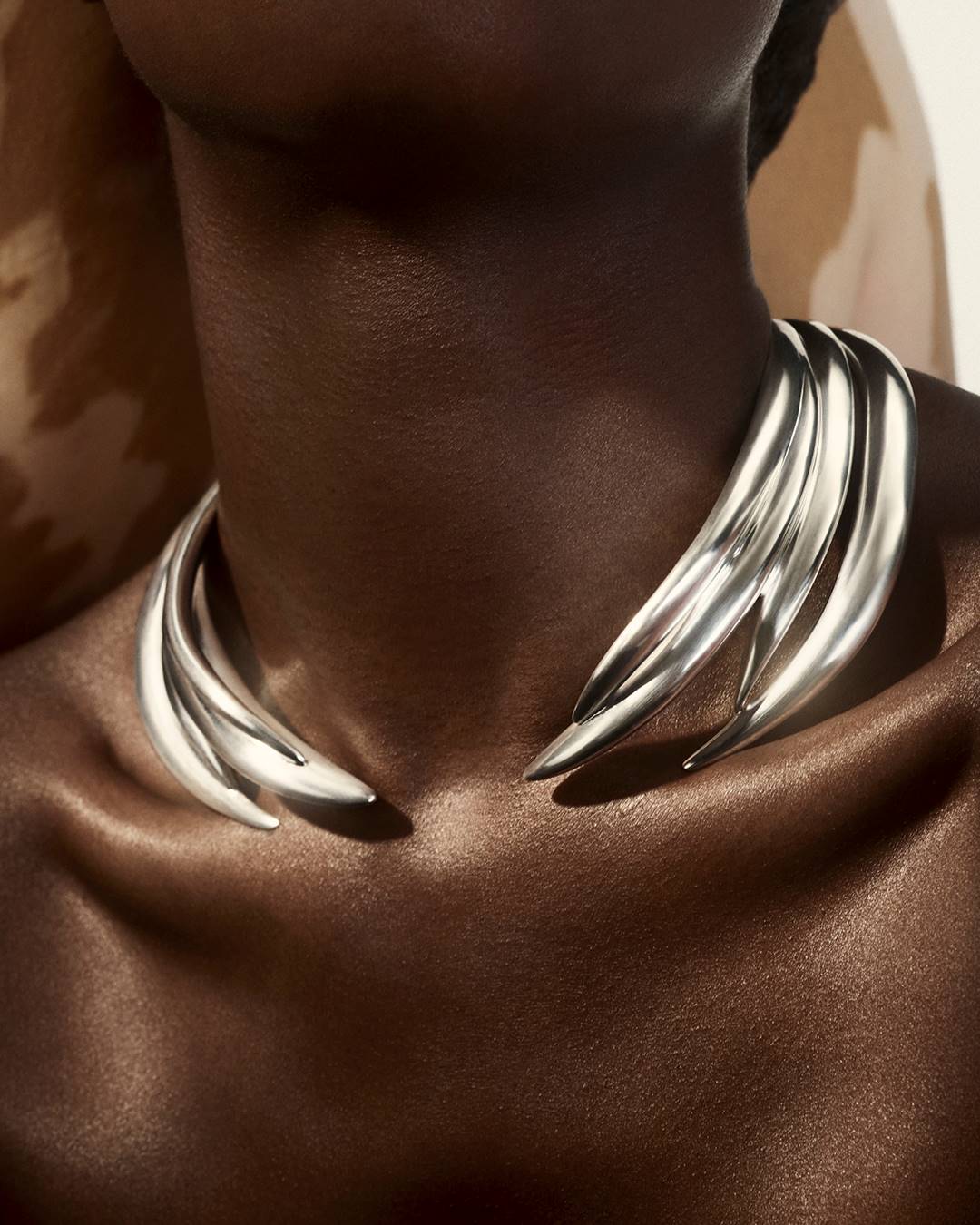 |
| George Jensen |
The opportunity is obvious. Retailers may no longer be restricted to the most rigid merchandising identities. Stores can operate across multiple price points, serve broader demographics, and respond more dynamically to evolving consumer behaviour.
Fashion jewellery, in particular, provides retailers with strategic advantages that extend well beyond short-term trend adherence.
The category offers access to younger consumers who may not yet have the purchasing power for significant fine jewellery purchases, but are nevertheless highly engaged with jewellery as a form of self-expression.
Importantly, these consumers often behave differently during periods of economic pressure.
While older demographics may reduce discretionary spending in response to mortgage repayments, rising household costs, and broader financial uncertainty, younger fashion-oriented consumers often continue to participate in trend-driven purchasing cycles.
Recent research into ‘impulse purchasing’ is intriguing. An interesting study has found that consumer purchasing patterns remain somewhat contradictory, with impulse buying increasing despite high cost-of-living pressures.
A recent PartnerCentric survey, conducted in the US, found that 81 per cent of consumers made an impulse purchase in the past year. The survey included more than 1,000 participants across all age demographics. These figures came despite 53 per cent of shoppers expecting tighter budgets in 2026, with 41 per cent of participants admitting to buying non-essential items every week.
For retailers, this matters enormously. A consumer purchasing affordable fashion jewellery today may become a future bridal, anniversary, or luxury customer tomorrow. Retailers who outright dismiss fashion jewellery as commercially insignificant may risk overlooking one of its most valuable functions: relationship acquisition.
Fashion jewellery allows businesses to establish familiarity, trust, and purchase habits long before consumers meaningfully enter the traditional fine jewellery market. In that sense, the distinction between fashion and fine becomes commercially irrelevant, as it could be argued that one category increasingly feeds the other.
At the same time, retailers seeking rigid certainty within product categories are looking for stability that no longer exists. If traditional classifications can no longer reliably communicate value on their own, then certainty must come from elsewhere.
It can come from operational clarity, merchandising discipline, and confidence in product selection. This is where the conversation shifts less from categorisation to retail fundamentals.
David Brown of Retail Edge Consultants has previously described the importance of protecting the ‘core muscles’ of a jewellery business. The analogy is particularly relevant in today’s environment because, regardless of how product categories evolve, strong fundamentals remain constant.
Product is one of those core muscles. In every jewellery store, a relatively small number of collections, price points, or hero products will generate a disproportionate percentage of sales performance. Successful retailers understand precisely which products resonate with their customer base and ensure those lines remain properly supported, replenished, and merchandised.
Personnel represent another critical component. In increasingly ambiguous retail environments, knowledgeable sales professionals become significantly more valuable because they help customers navigate uncertainty. Consumers may not fully understand the differences between what we consider ‘fashion’ and ‘fine’; however, they immediately recognise confidence, expertise, and credibility.
The same principle applies to customer relationships themselves. Many successful jewellery businesses rely heavily on a group of loyal customers responsible for repeat business, referrals, and long-term revenue stability.
These customers are rarely loyal because a retailer adheres rigidly to traditional product categories. They remain loyal because they trust the retailer’s judgement, taste, and ability to curate products aligned with their needs. That trust is commercially invaluable.
Ultimately, consumers are not entering stores to ask whether a piece meets an industry definition. They are asking whether it feels meaningful.
Does it elevate an outfit? Does it appropriately symbolise an occasion? Does it align with personal style, emotional intention, and budget?
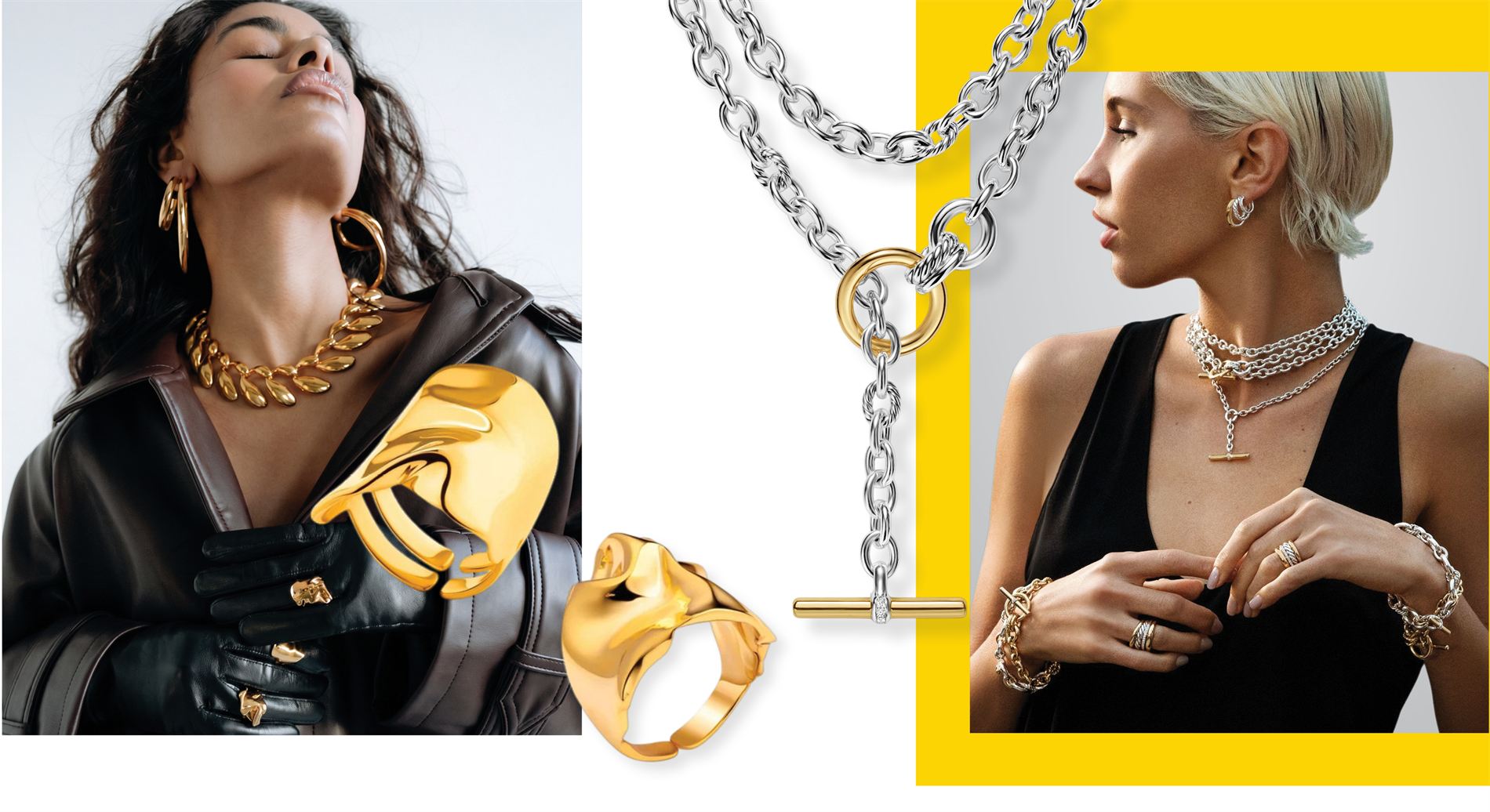 |
| Misho | David Yurman |
These are emotional and practical questions rather than categorical ones. That is why retailers should avoid becoming overly fixated on definitions consumers themselves largely ignore. Customers are not purchasing taxonomy; they are purchasing confidence, aspiration, identity, symbolism, and trust.
As Tom Martin of Converse Digital has previously explained, credibility is built one interaction at a time. “Credibility is a higher form of trust and, in my opinion, the key driver of business success, especially when it comes to sales.”
That observation feels especially relevant in today’s jewellery market. Consumers ultimately determine value according to whether they believe the product fulfils a promise.
The jewellers best positioned for the future, therefore, may not be those attempting to restore rigid categorical boundaries that consumers have already outgrown. They will be the retailers capable of operating confidently within ambiguity. That means curating products with conviction, communicating value clearly, and understanding that emotional relevance now matters more than inherited industry classifications.
The lines between fine and fashion jewellery may indeed be blurrier than ever before. For confident retailers, however, that ambiguity increasingly represents opportunity rather than threat.
Read eMag