The saying goes that we see further by standing on the shoulders of giants.
For jewellers, few giants loom larger than Cartier. Beyond the glamour lies more than a century of innovation, craftsmanship, and arguably unrivalled commercial vision.
Now, for the first time, Australia’s next generation of jewellers has their chance to stand on those shoulders – and it’s an opportunity you must not miss.
The National Gallery of Victoria’s 2026 Melbourne Winter Masterpieces exhibition CARTIER is one of the most spectacular exhibitions of jewellery ever seen in Australia. The exhibition traces Cartier’s enduring legacy in art, design and craftsmanship, spanning the Maison’s
rise in the early 20th century through to its most contemporary creations.
The Melbourne iteration of the exhibition has been developed in partnership with the Victoria and Albert Museum with support from Cartier.
In particular, our exhibition is considerably larger, featuring almost 400 dazzling jewels, objects d’art and timepieces, many of which were not seen in London and many of which have never been seen before in Australia.
A unique feature is also the rich selection of archival material, including design drawings, sketchbooks, plaster casts, photographs, and other documentary materials that provide a fascinating insight into the making and inspiration behind these jewels.
It's these sketchbooks, working drawings and design studies that may prove the exhibition's greatest reward for today's jewellers, revealing not just the finished masterpieces, but the creative process behind them.
The exhibition opens with the magnificent Manchester tiara of 1903, heralding Cartier’s new Garland Style and the transformation of the family business into an international enterprise.
This is when the founder’s three grandsons, Louis, Pierre, and Jacques, took charge and turned the firm into a global company, Cartier’s history being closely aligned with many of the most significant events and influential people of the 20th century.
Each of the brothers brought unique skills; Louis was the creative one, driving the design direction of the Maison and running the Paris boutique at 13, rue de la Paix. Pierre was the entrepreneur and renowned for his business skills; he established the London boutique in 1902 and went on to found the New York boutique in 1909.
The youngest brother, Jacques, was the gemstone specialist. He travelled to India and the Middle East on many occasions, developing client relationships and sourcing some of the world’s most significant gemstones. In 1906, Jacques took over the running of the London branch.
During the first decade of the new century, Louis brought design in-house and introduced the Garland Style, encouraging his designers to go out into the streets and take inspiration from 18th-century architecture, particularly the wrought-iron railings of Parisian apartment buildings.
The jewels of this period took on a greater lightness of design, incorporating floral garlands, scrolls, bows and tassels. Louis also introduced the use of platinum at this time, replacing the traditional approach of setting gemstones in gold and silver.
It was a revolutionary shift, the high tensile strength of platinum allowing for much lighter and more ambitious designs to be realised, the silver metal also complementing the flickering of the white diamonds under the new electric lighting.
This early adoption of platinum is a reminder that innovation has always been at the heart of great jewellery making.
The first few decades of the 20th century were extremely formative. In addition to bringing design in-house, Louis also brought manufacturing in-house and began looking to other cultures for design inspiration.
Russia, Egypt, India, China, Japan, Iran, and the Islamic world all became sources of inspiration for Cartier’s designers, and the exhibition explores these diverse cultural influences; the display of the magnificent jewels here is complemented by a rich selection of archival material from Cartier’s archives.
Today's jewellers continue to draw inspiration from diverse cultures, art, and architecture. Seeing how Cartier transformed those influences into a distinctive design language offers a valuable perspective for designers developing their own creative voice.
From here, the exhibition follows a loosely chronological progression while exploring key aspects of Cartier’s legacy, including their design inspiration, exceptional gemstones, the tradition and innovation
in their craftsmanship and the clients that commissioned and wore these jewels, from international royalty to celebrities and film stars.
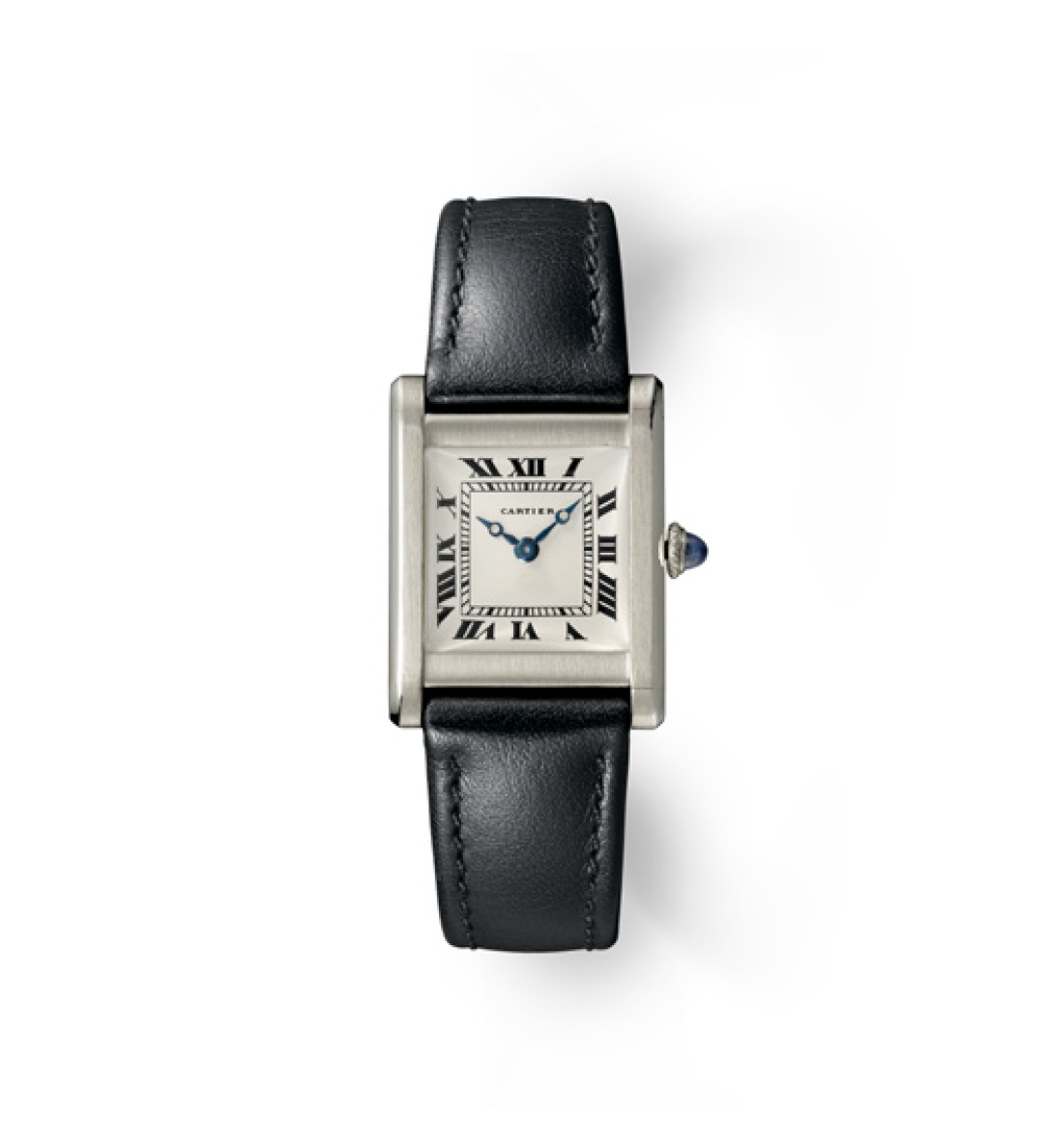
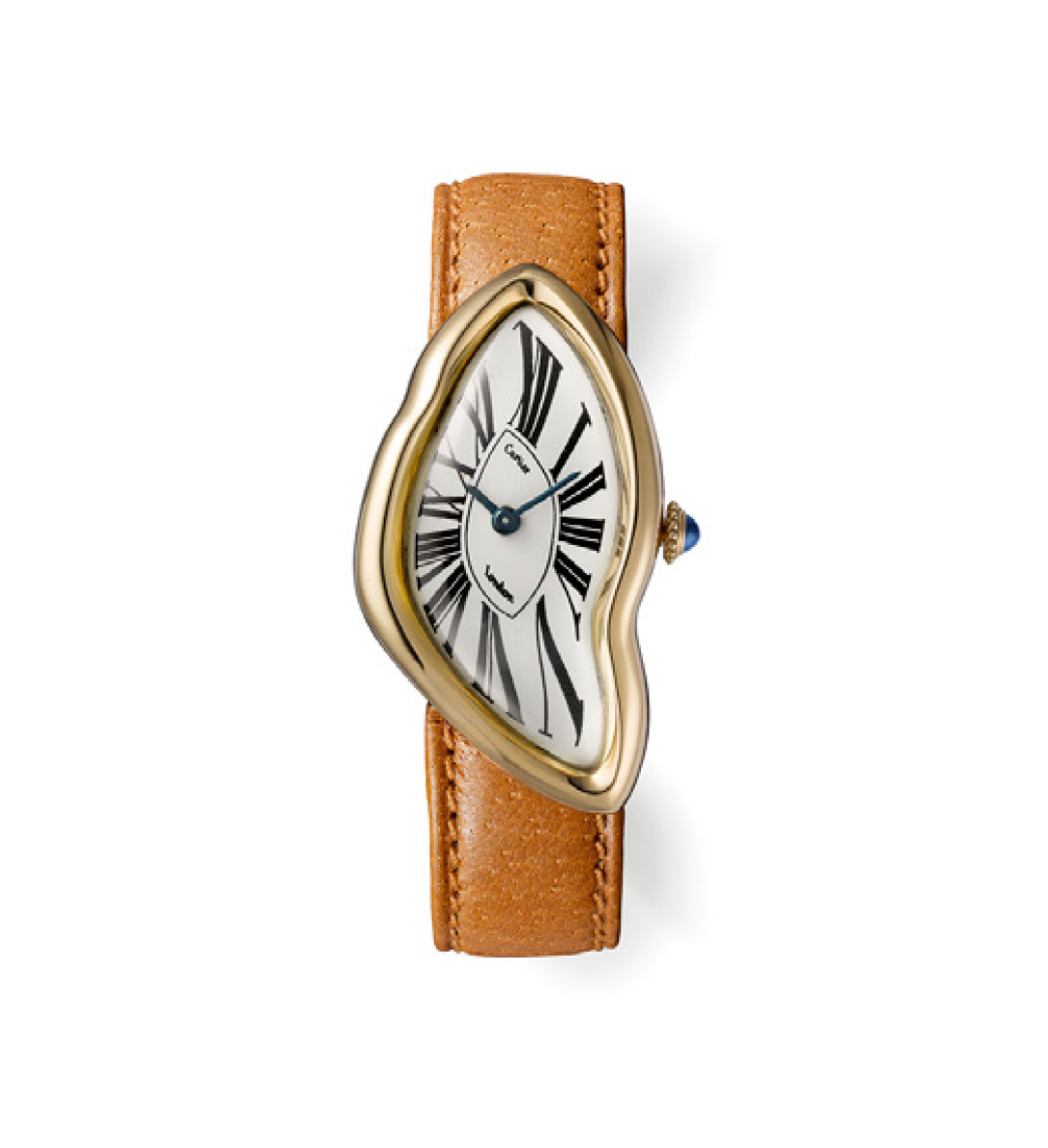
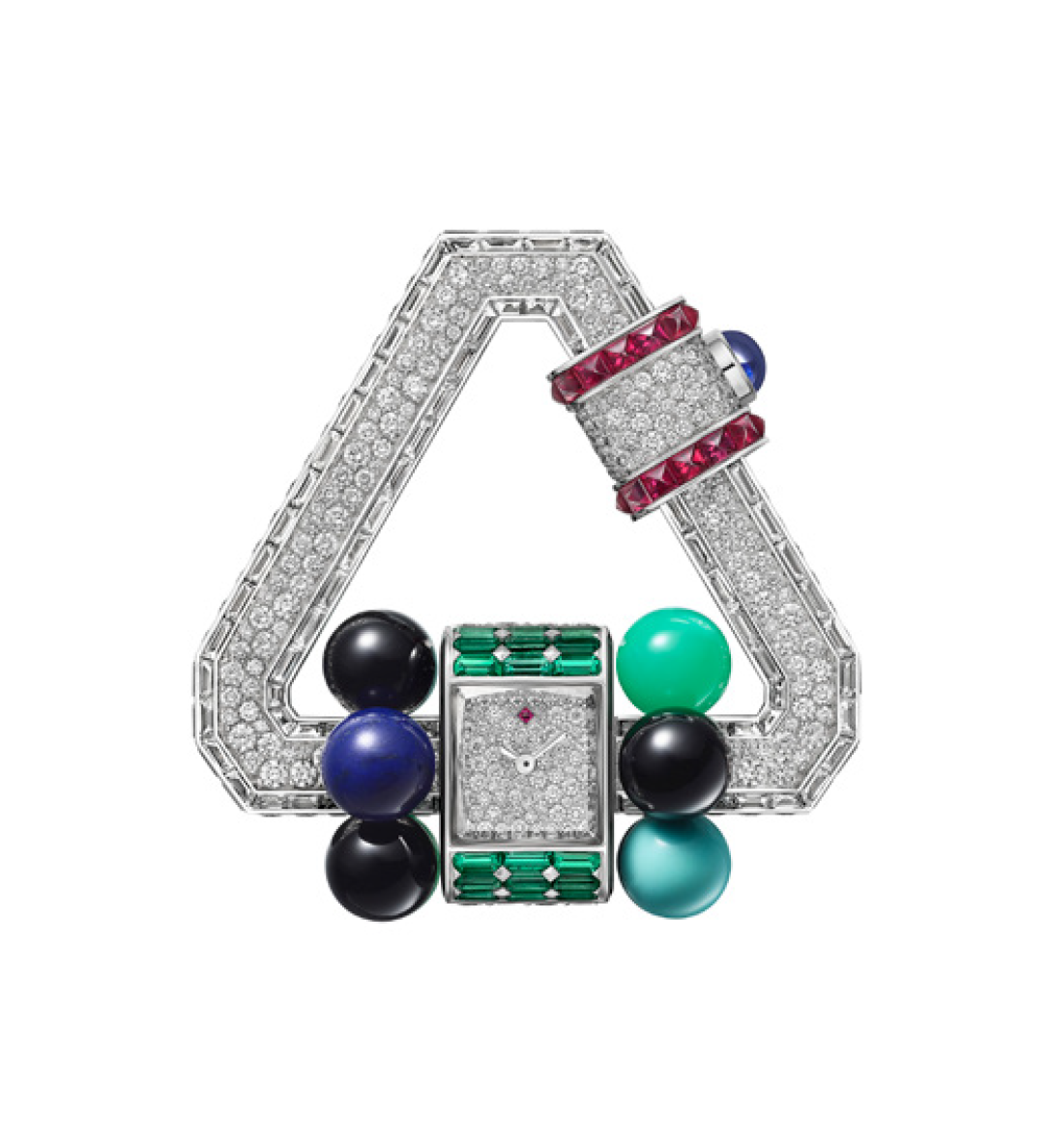
The exhibition has a special focus on Cartier’s famed mystery clocks and wristwatch designs as well as a room dedicated to movie stars, their legendary patronage of Cartier and the Maison's long-standing collaboration with the film industry.
The exhibition comes to a spectacular close with a room full of tiaras spanning the 20th century and illustrating the breadth of cultural inspiration for which Cartier is famous. The tiara occupies a position
at the very apex of jewellery forms.
It has been worn for millennia and is charged with the most potent of symbolism, associated with royal crowns and their nearness to the divine as well as embodying notions of power, wealth and status.
Tiaras are the ultimate expression of the designer’s ambition and the jewellers’ technical prowess. This timeless majesty that tiaras embody is the perfect way to close this most exceptional exhibition of spectacular jewels.
Perhaps the greatest lesson is that Cartier's success wasn't built on design alone. Creativity, technical expertise and commercial leadership worked together. It’s a combination every successful jewellery business continues to rely upon today.
Everyone agrees that the finest jewellers never stop learning. They study great design, exceptional craftsmanship, and the bold ideas that redefine what's possible.
This is your chance to experience the legacy of one of the world's greatest jewellery stories and return to your bench ready to leave your own mark.
Name: Amanda Dunsmore
Business: National Gallery of Victoria
Position: Senior Curator
Location: Melbourne, VIC
Years in the industry: 25
Watch Video
NGV 2026 Melbourne Winter Masterpieces
Cartier
The Cartier Style |
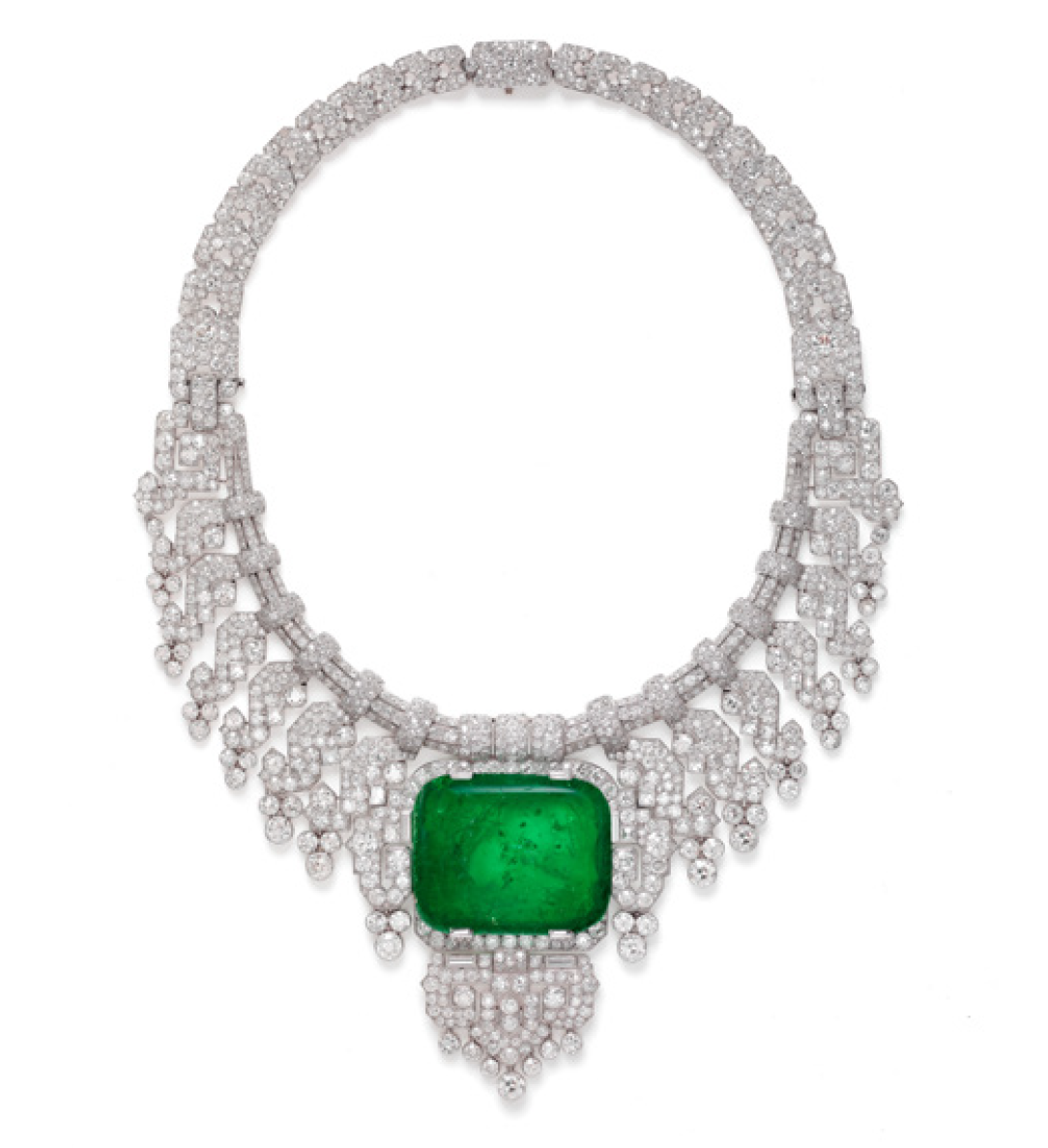 |  |  |  |
Necklace
Cartier London, 1932, special order
emerald (143.23 carats), diamonds, platinum
Commissioned by Beatrice Mills, Countess of Granard
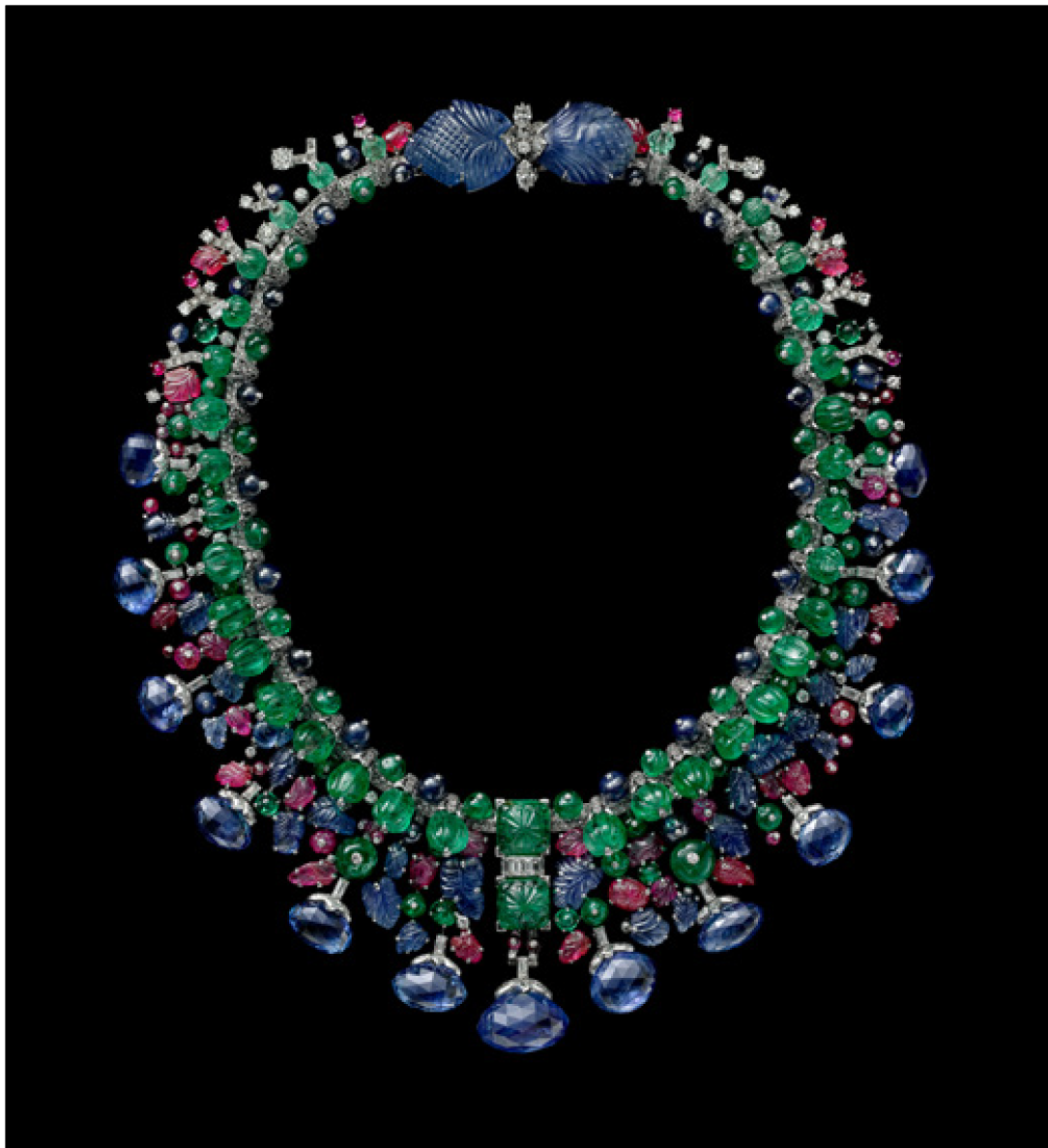
Cartier Collection | Necklace
Cartier Paris, 1936, special order, modified in 1963 sapphires, emeralds, rubies, diamonds, platinum, white gold Commissionned by Daisy Fellowes, French socialite
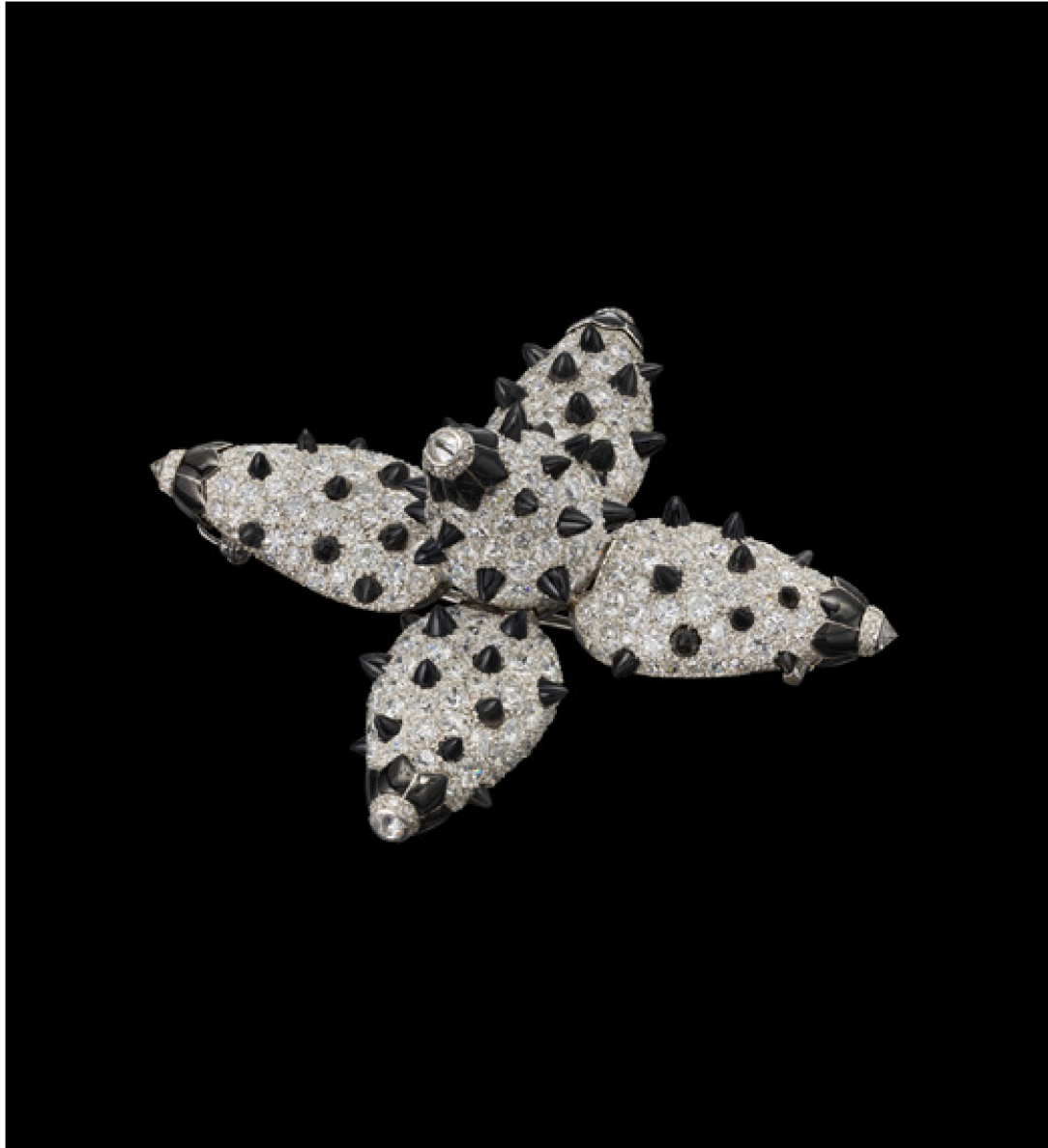
Cartier Collection | Brooch, originally set as a head ornament
Cartier Paris, 1922
platinum, yellow gold, diamonds, enamel
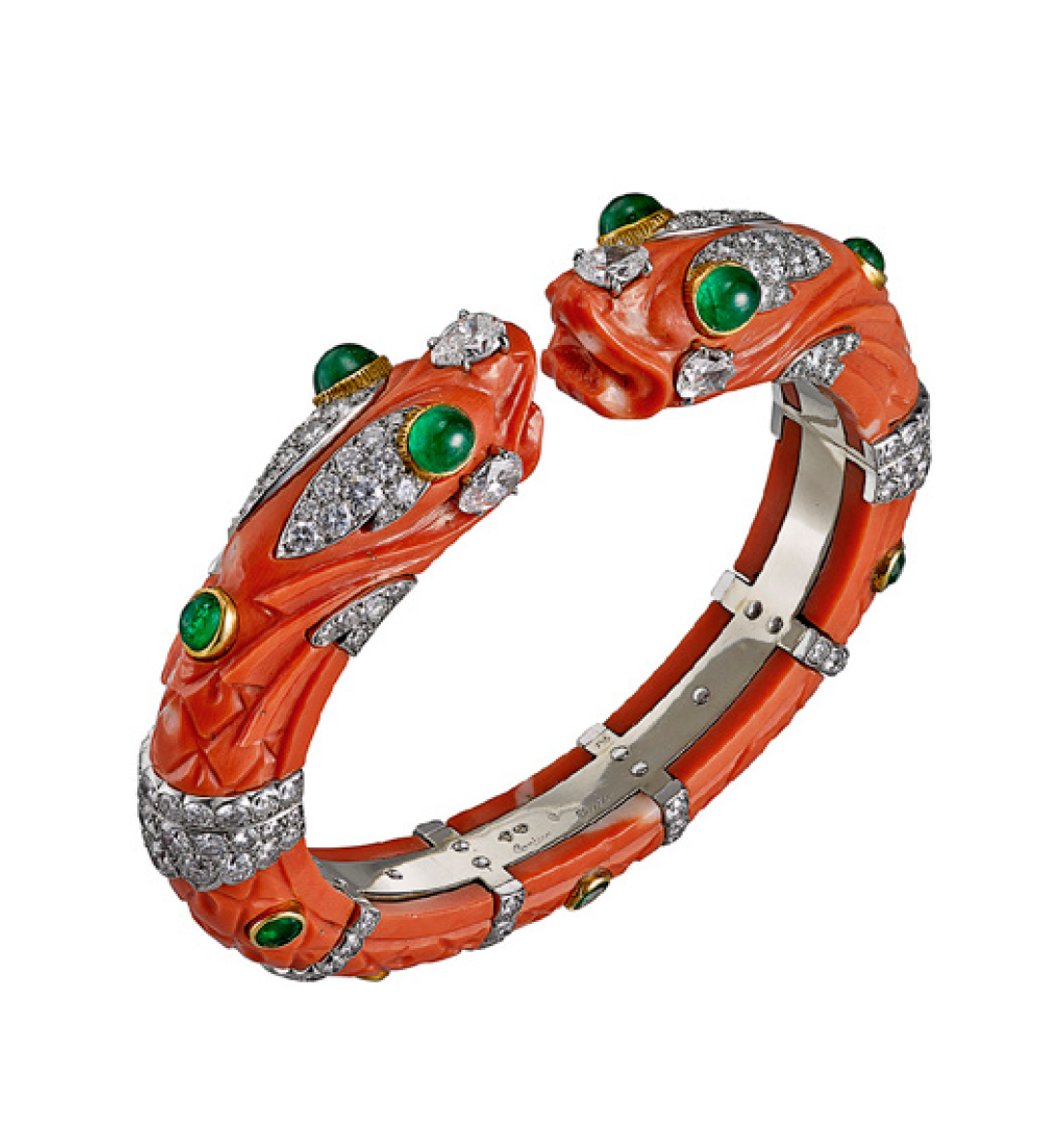
Cartier Collection | Twin chimera-head bangle
Cartier Paris, 1961
emeralds, diamonds, coral, platinum, white gold, yellow gold Sold to Daisy Fellowes, French socialite
Cartier Collection |
| | | | |
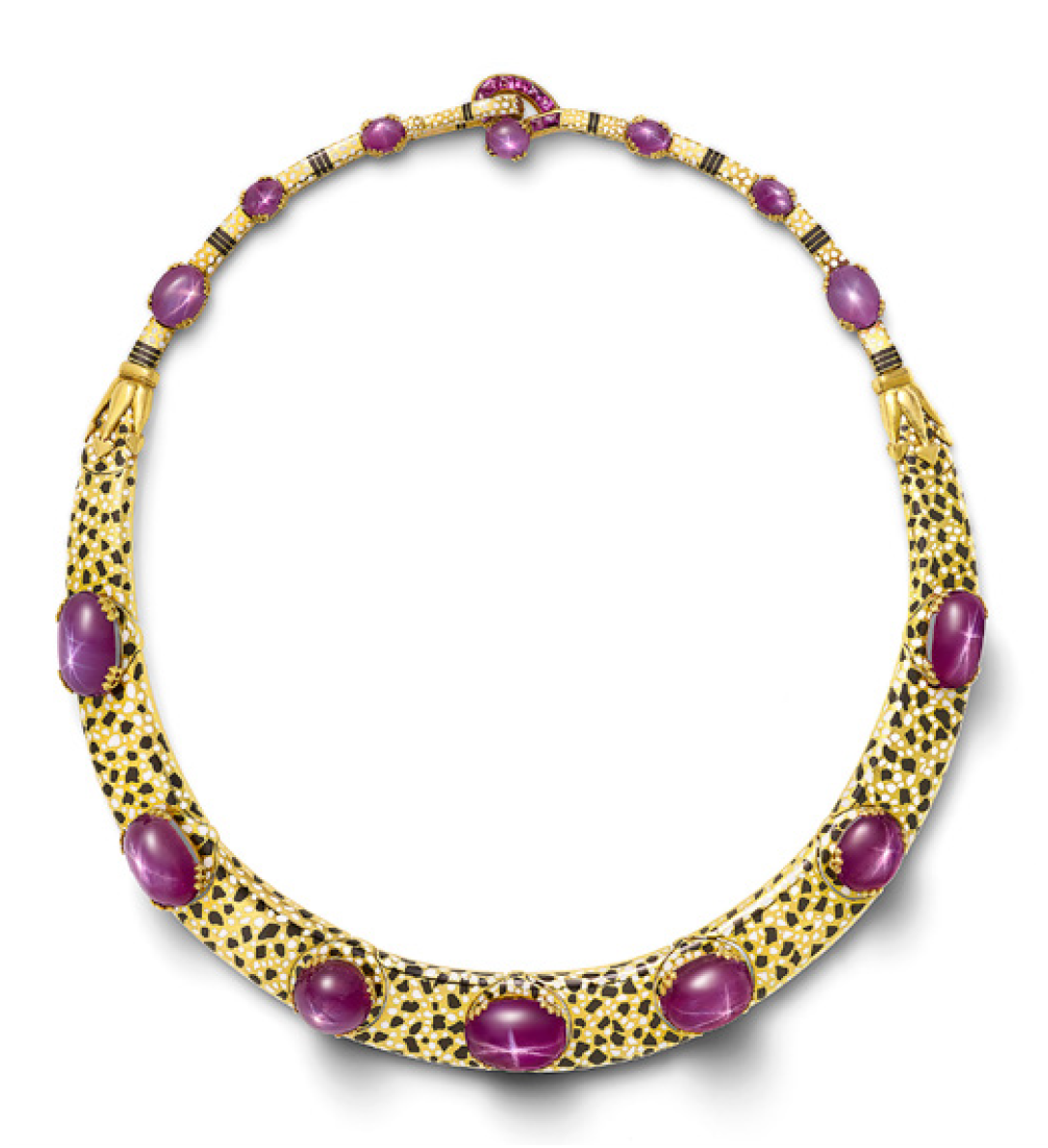
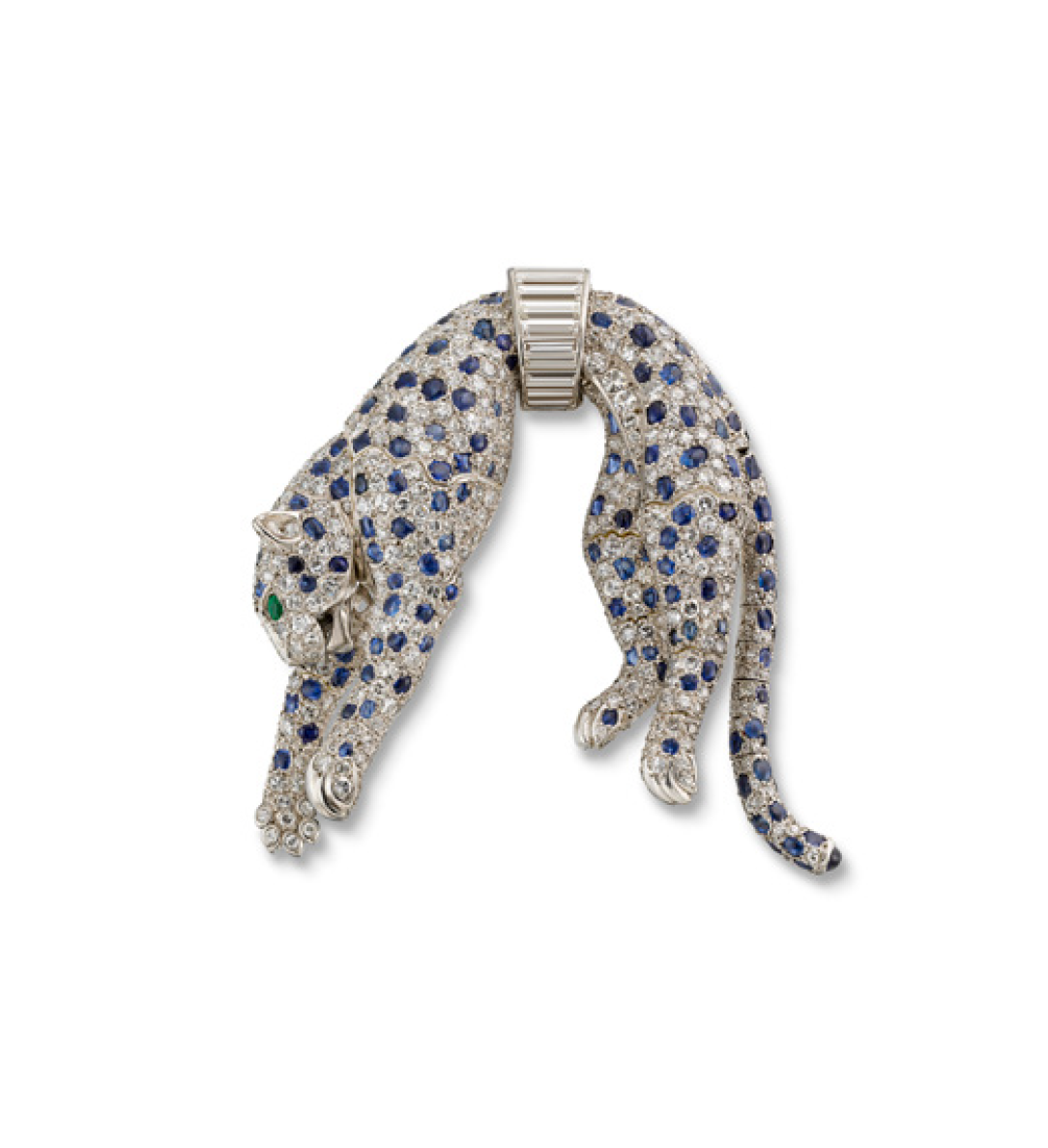
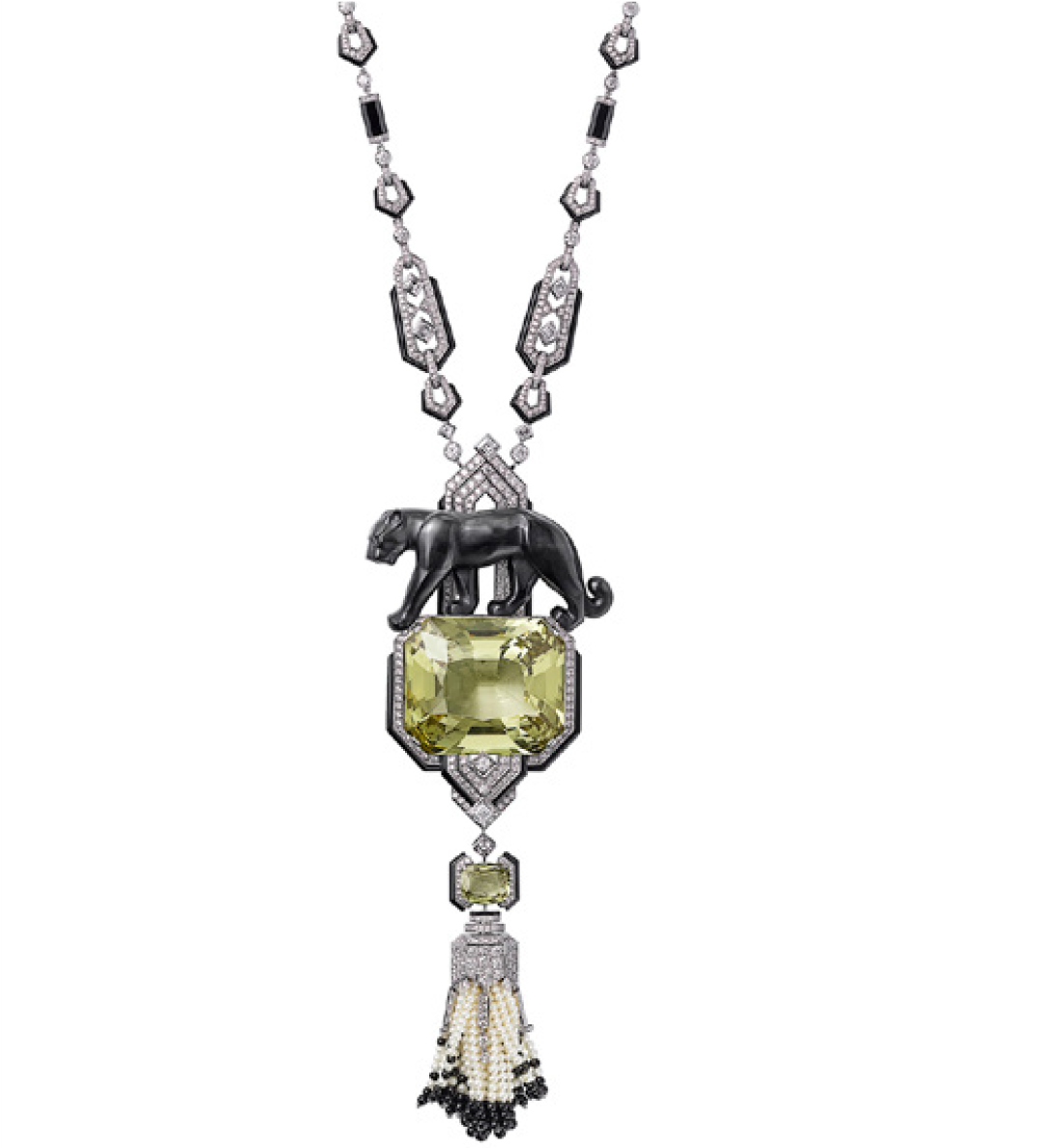
Cartier's Panther: Evolution of a Motif |
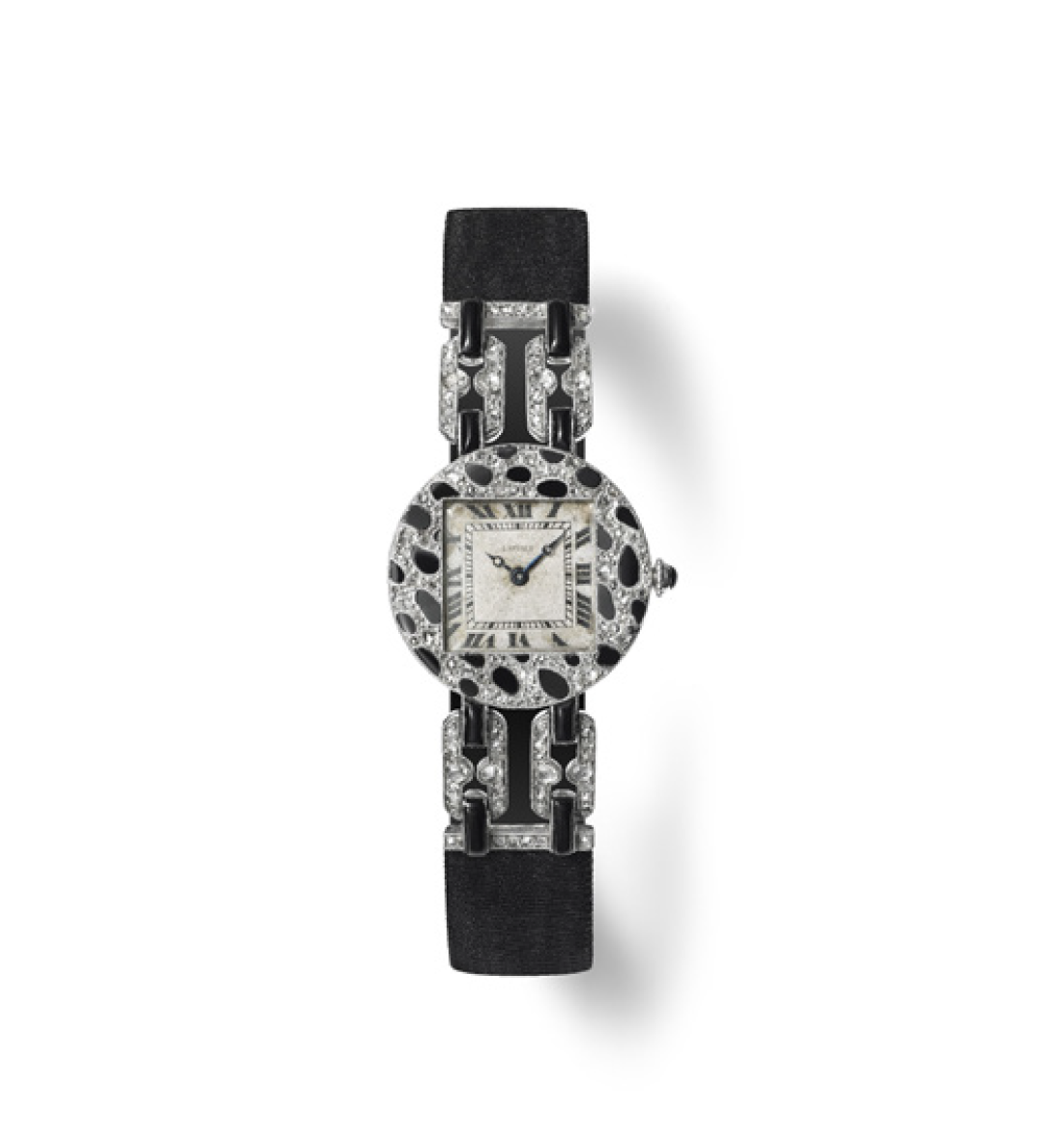 |  |  |  |
Panther-pattern wristwatch
Cartier Paris, 1914
diamonds, onyx, platinum, rose gold, moire
Cartier Collection | Necklace
Cartier Paris, 1935, special order
star rubies (82.13 carats total), rubies, enamel, gold
Cartier Collection | Panther clip brooch
Cartier Paris, 1949
sapphires, emeralds, diamonds, platinum, white gold
Owned by Daisy Fellowes, French socialite
Private collection | Necklace
Cartier, 2014
greenish yellow beryl (121.8 carats), green sapphire
(4.31 carats), diamonds, natural pearls, sculpted black jade, onyx, platinum
Cartier Collection |
| | | | |
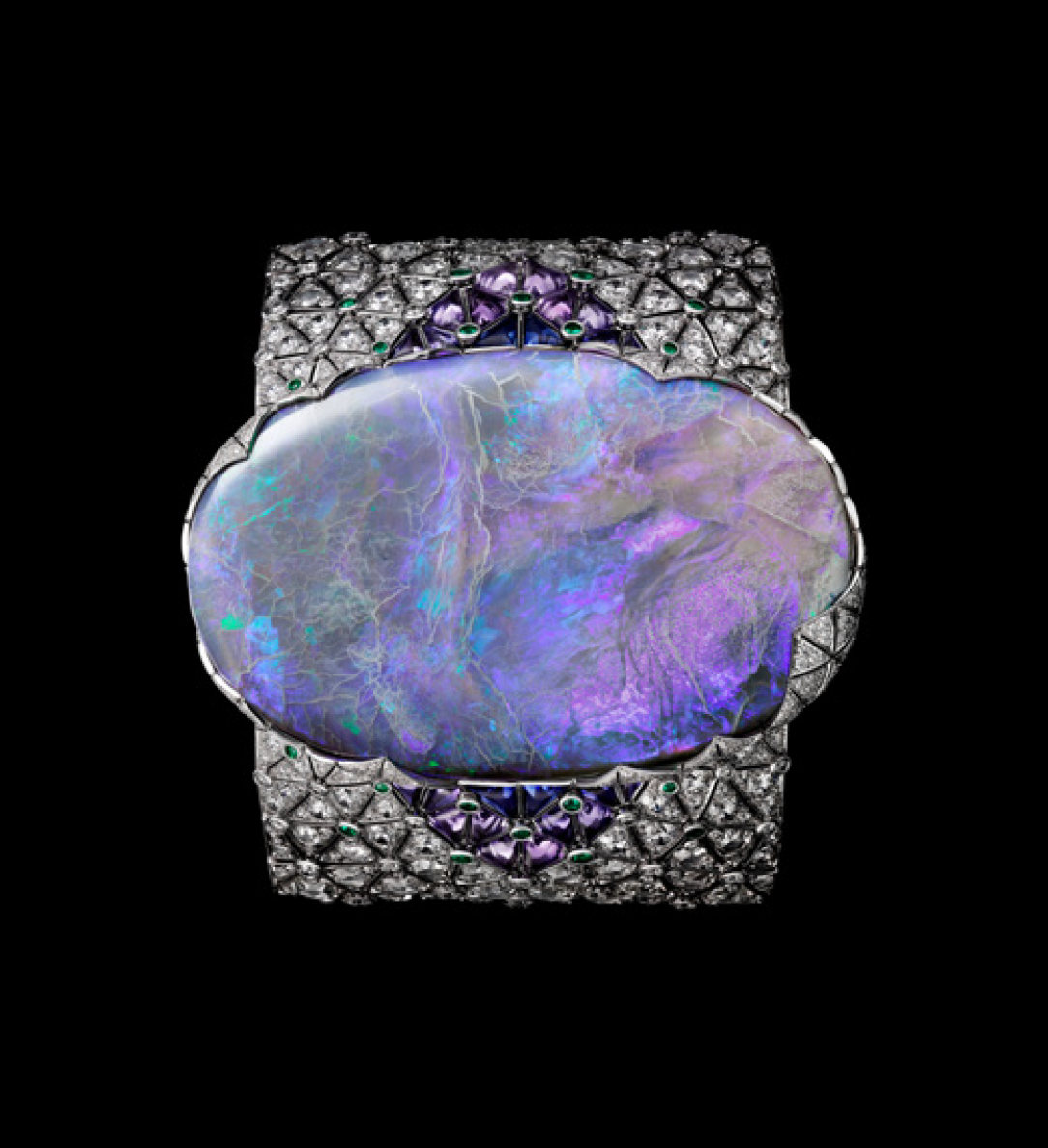
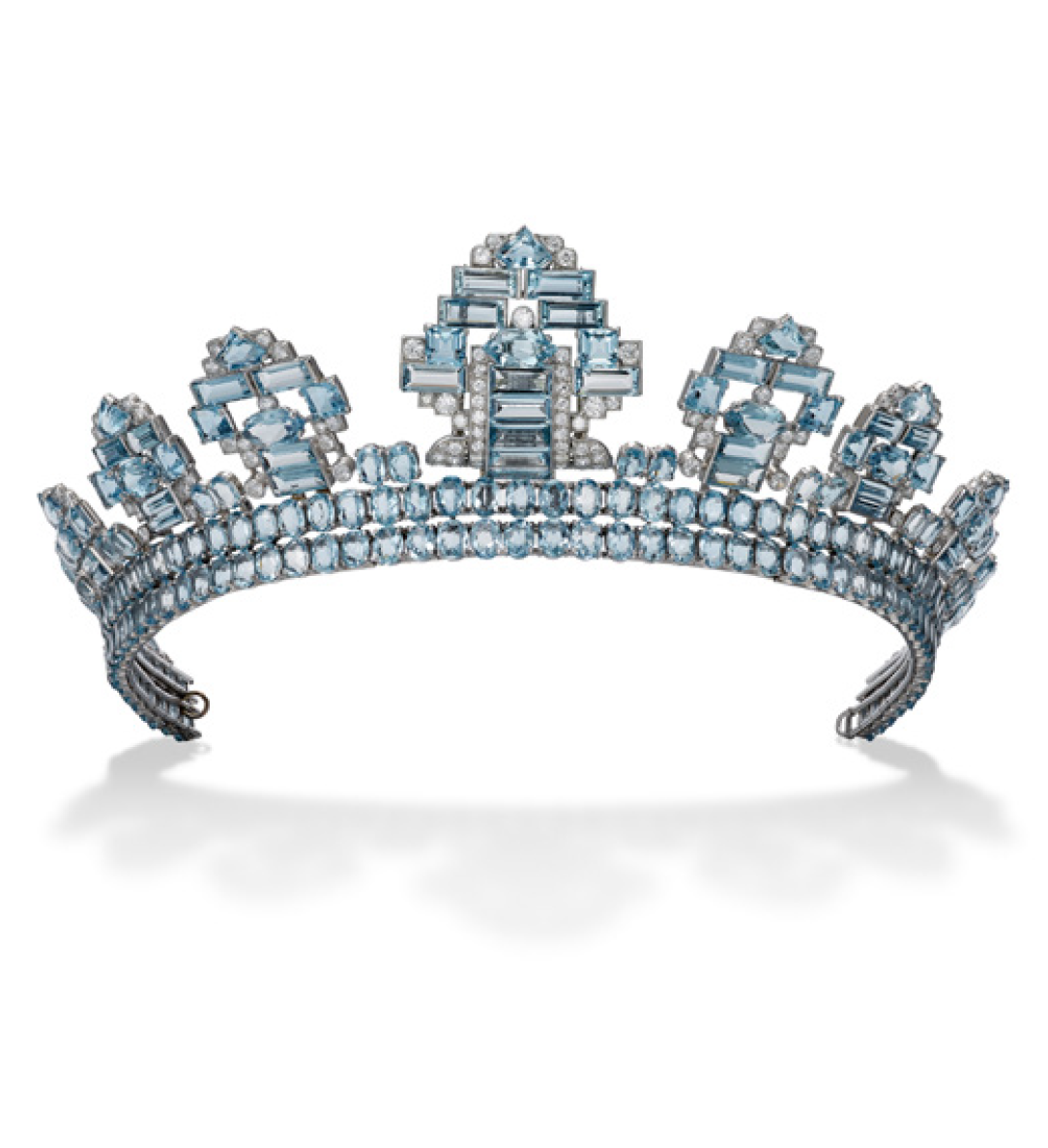
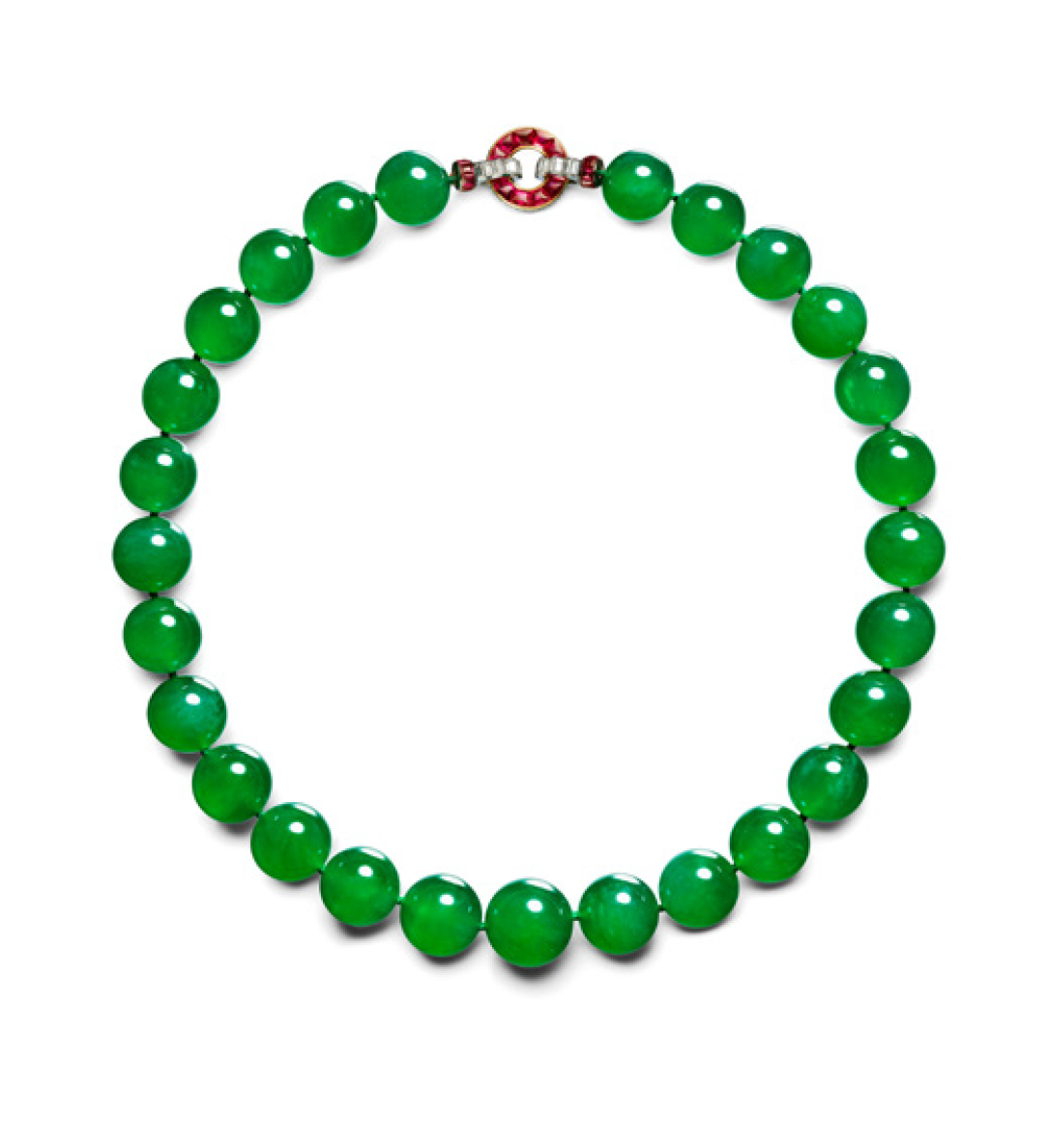
An Obsession with Stones |
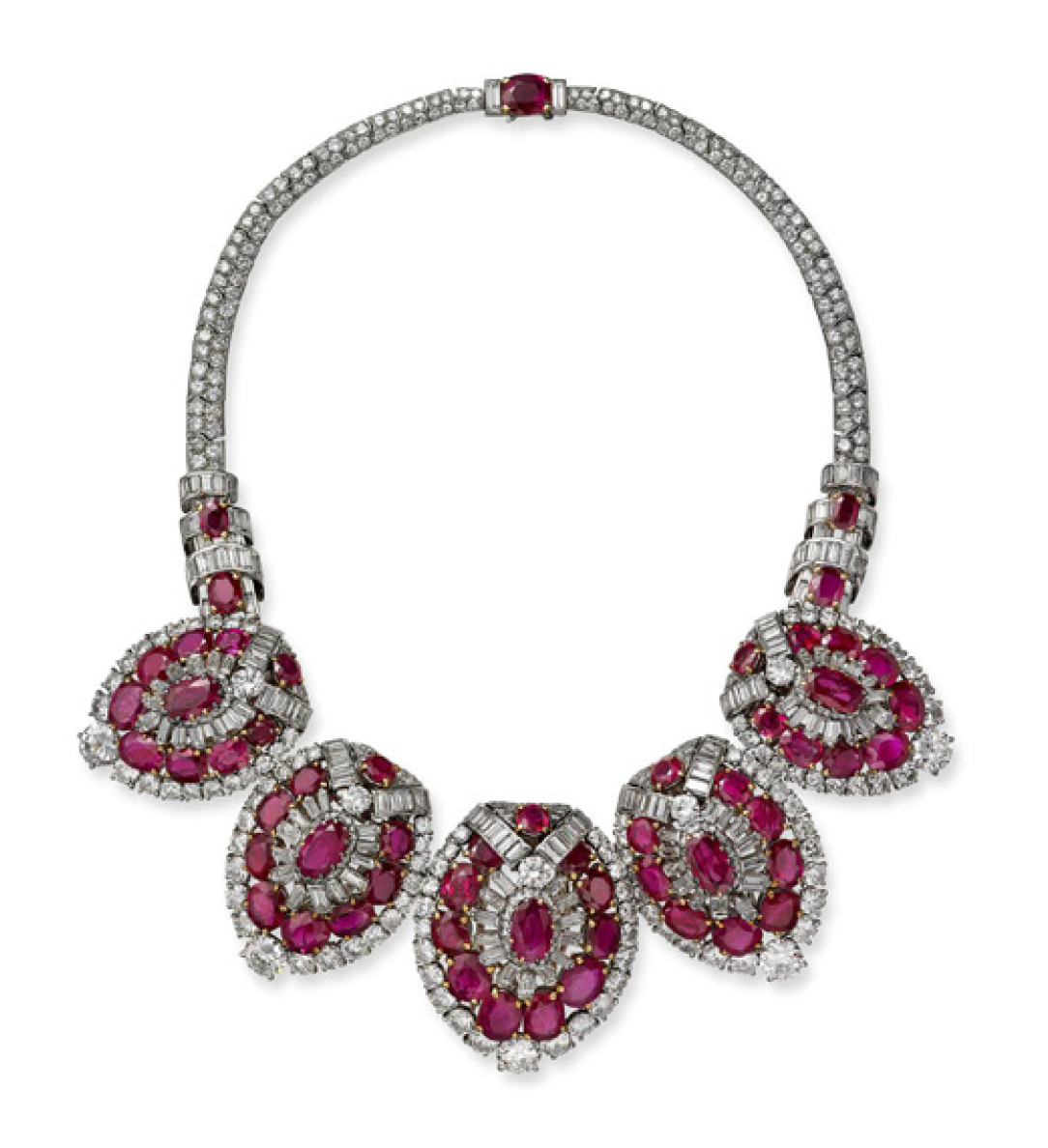 |  |  |  |
Necklace
Cartier Paris, special order, 1951
rubies, diamonds, platinum, yellow gold, white gold Platinum, yellow gold, diamonds, rubies
Made as a special order for Lady Deterding
Cartier Collection | Bracelet
Cartier, 2015
opal (189.345 carats), blue sapphires, purple sapphires, emeralds, diamonds, white gold
Cartier Collection | Tiara
Cartier London, 1937
aquamarines, diamonds, platinum
Cartier Collection | Necklace
Cartier Paris, 1934
jadeite beads, platinum, gold, diamonds, rubies
Cartier Collection |
| | | | |
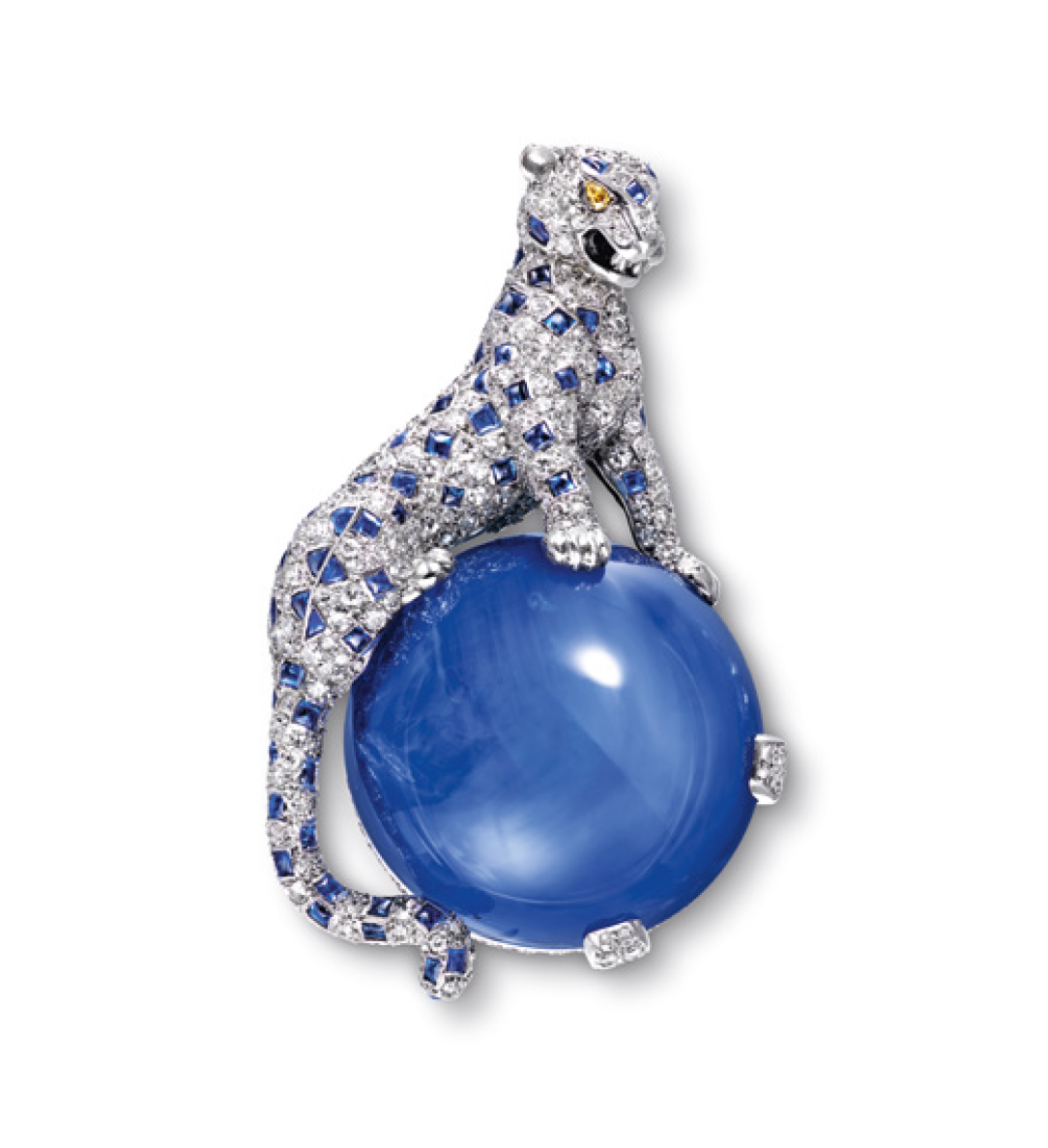
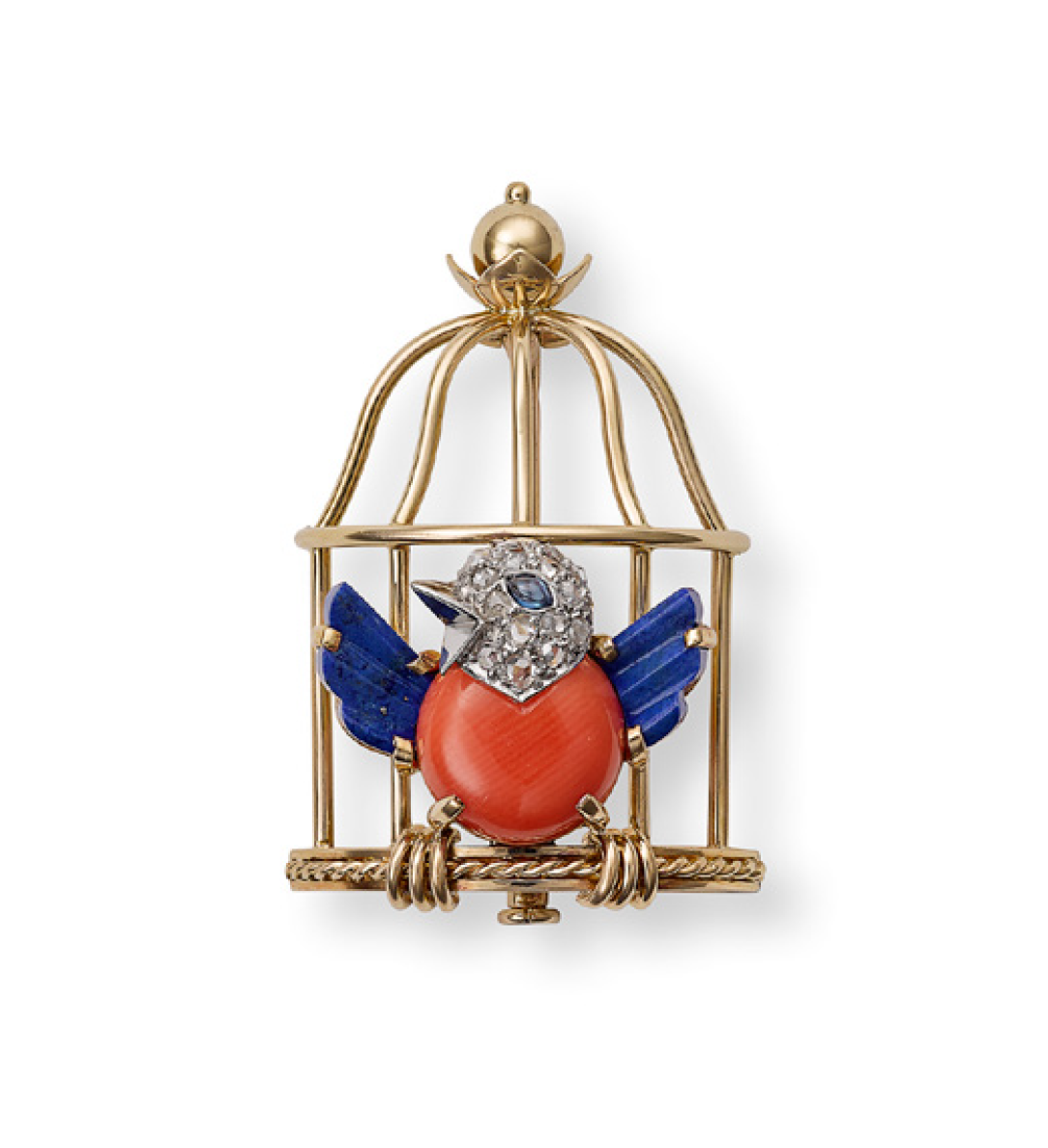
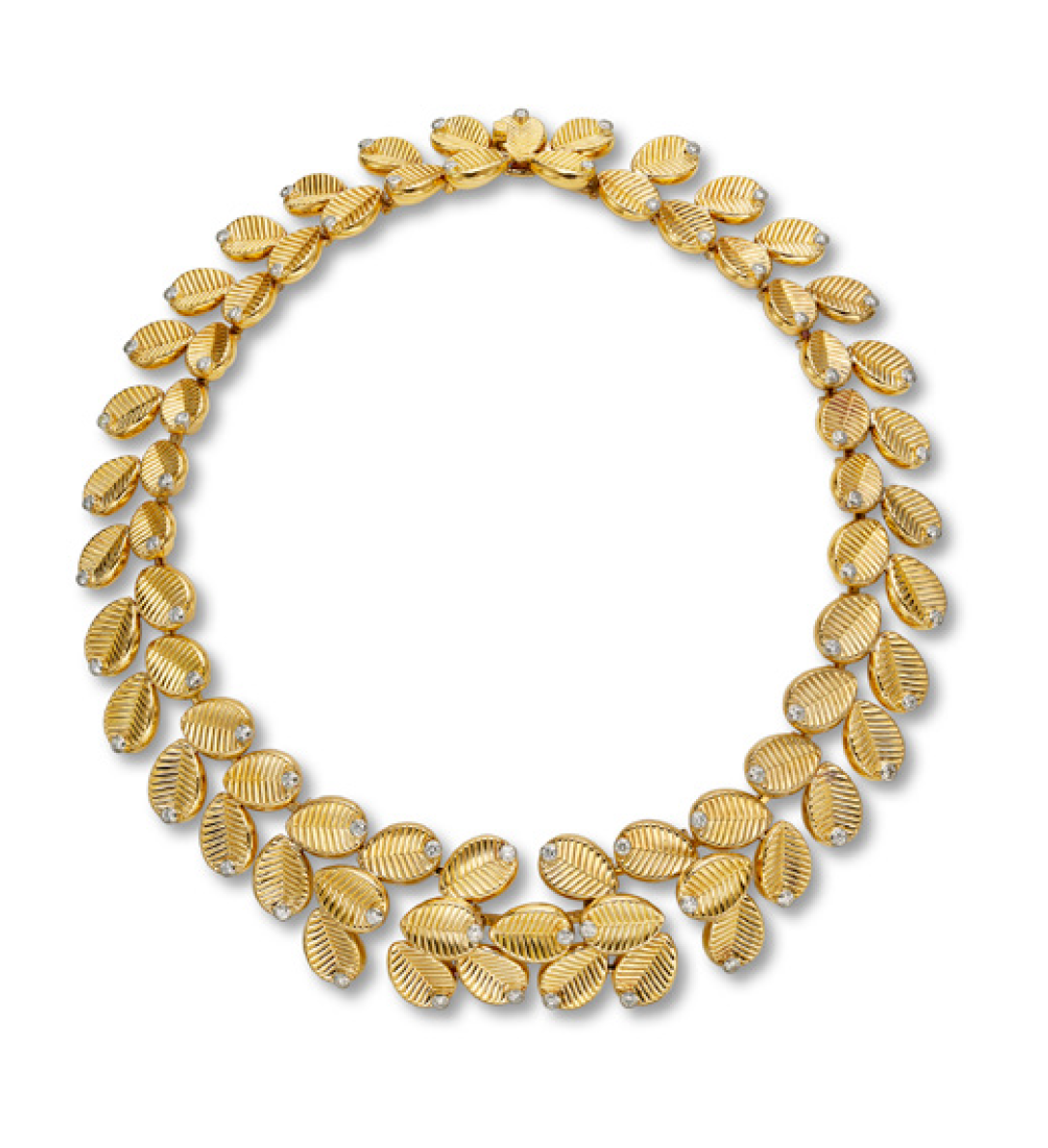
Jeanne Toussaint |
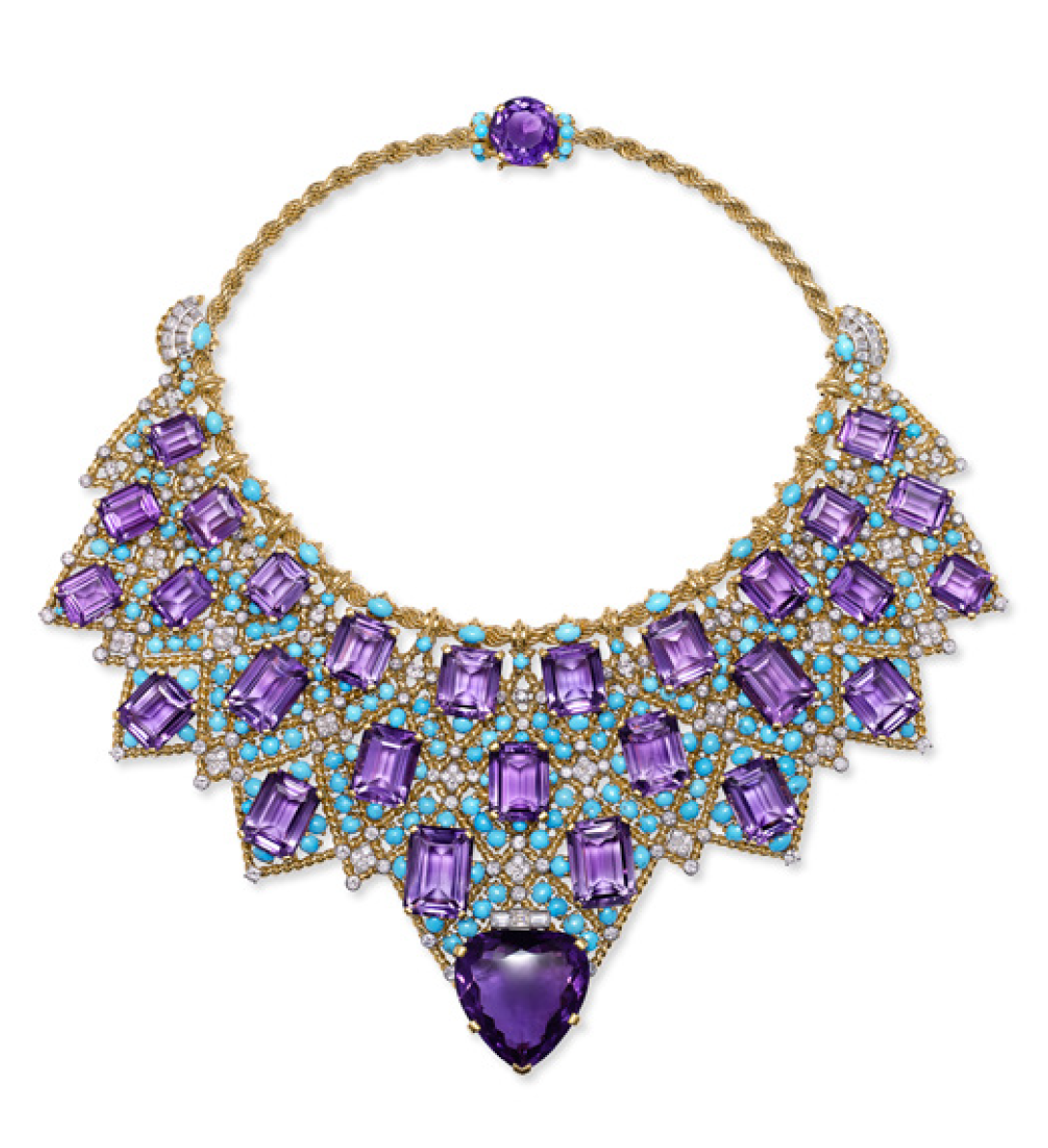 |  |  |  |
Bib necklace
Cartier Paris, 1947, special order
amethysts, turquoise, diamonds, platinum, gold Commissioned by the Duke of Windsor, who supplied the amethysts and diamonds, for the Duchess of Windsor
Cartier Collection | Panther clip brooch
Cartier Paris, 1949
Platinum, white gold, diamonds, sapphires including one 152.35-carat cabochon-cut sapphire.
Owned by the Duchess of Windsor
Cartier Collection | Freed bird brooch
Cartier Paris, 1944
sapphire, diamonds, lapis lazuli, galalith (originally coral), platinum, gold
Cartier Collection | Coffee bean necklace
Cartier Paris, 1956, special order
diamonds, platinum, gold
Cartier Collection |
| | | | |
Technical Ingenuity: Timepieces |
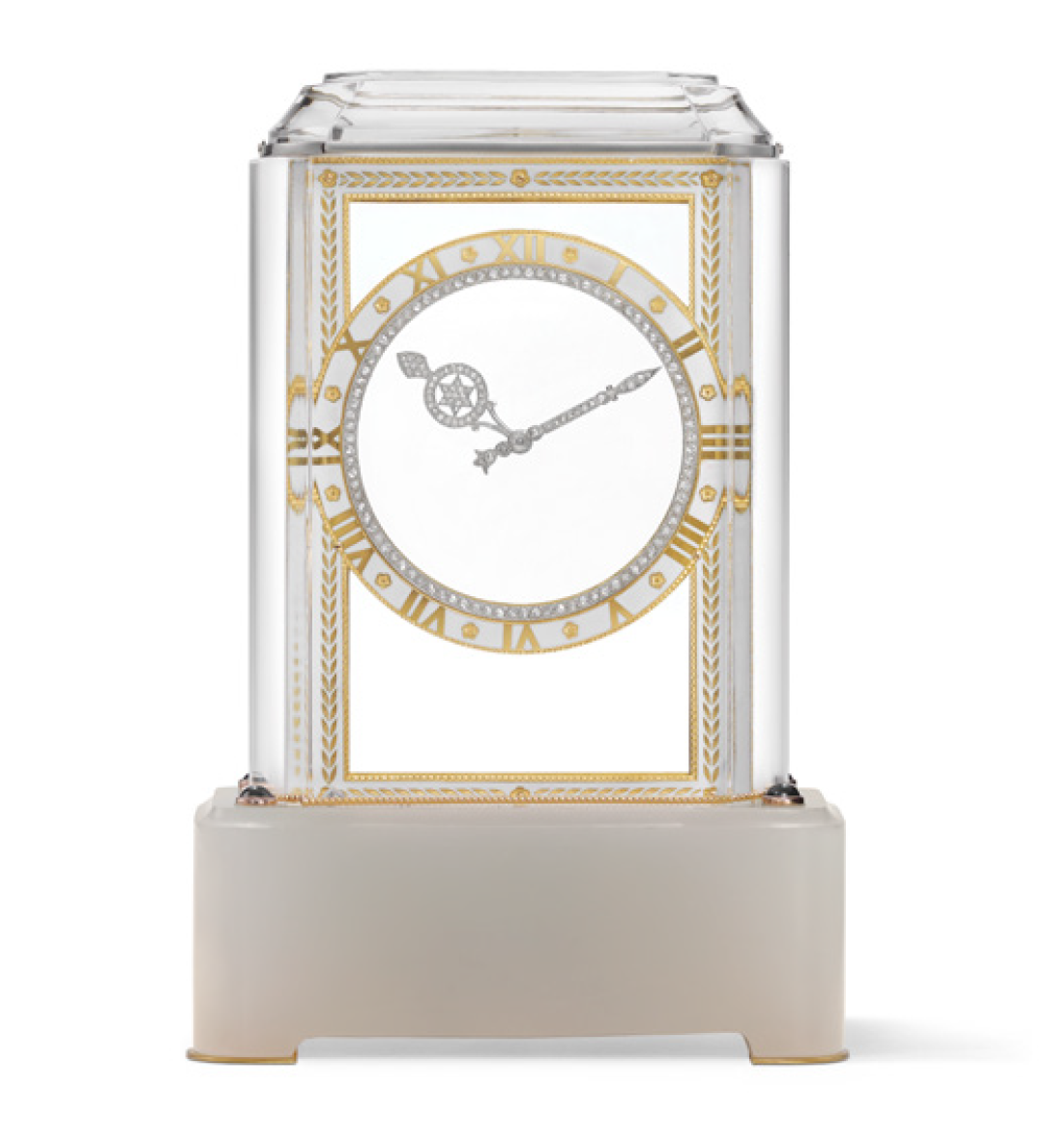 |  |  |  |
Model a mystery clock
Cartier Paris, 1914
Platinum, gold, rock crystal, white agate, sapphires, diamonds, white enamel
Cartier Collection | Tank wristwatch
Cartier Paris, 1920
platinum, gold, sapphire, leather
Cartier Collection | Crash wristwatch
Cartier London, 1967
sapphire, yellow gold, rose gold, leather
Cartier Collection | Carabiner watch
Cartier, 2024
sapphires, emeralds, rubies, diamonds, spinels, chrysoprase, lapis lazuli, turquoise, white gold
Cartier Collection |
| | | | |
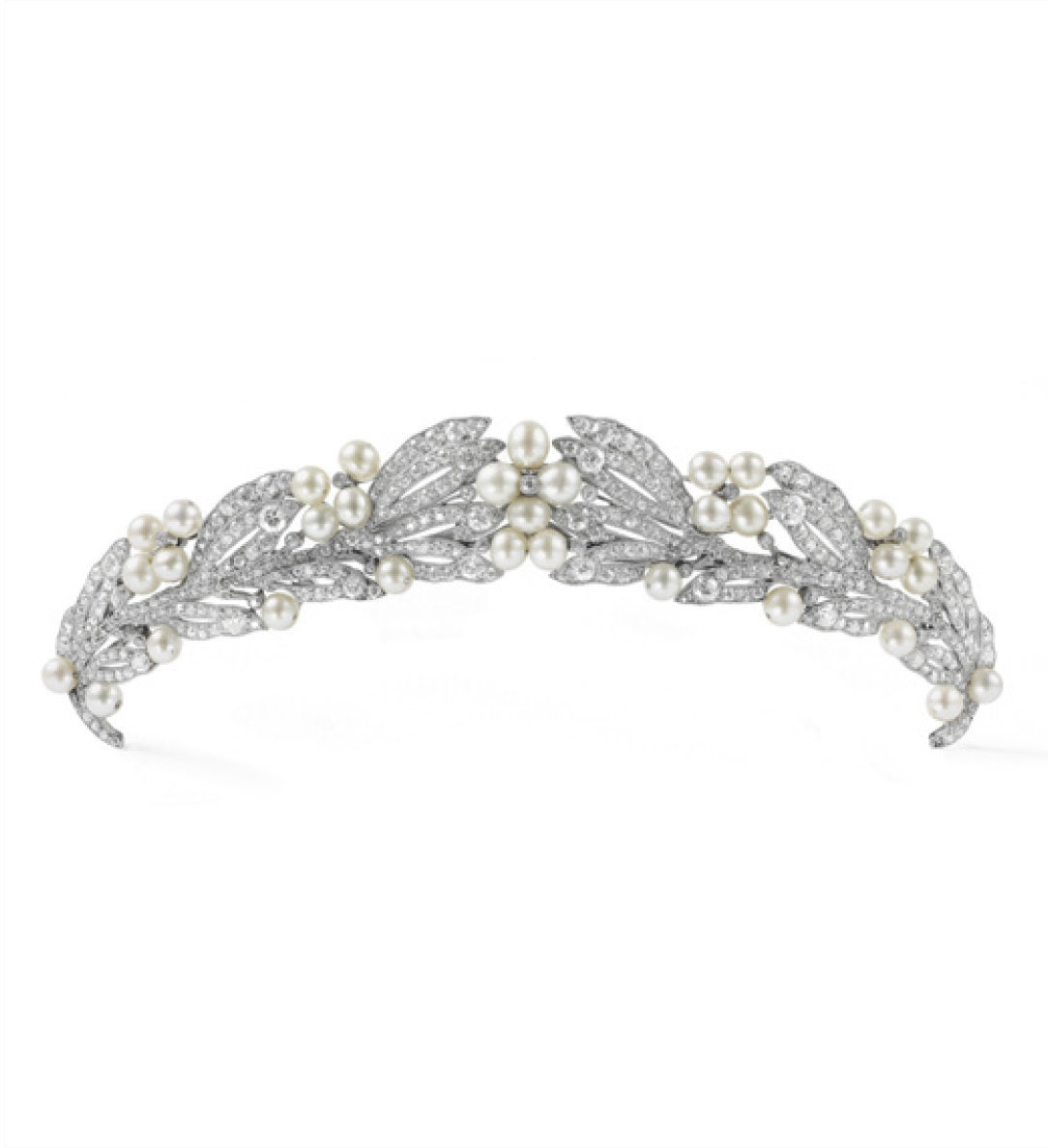
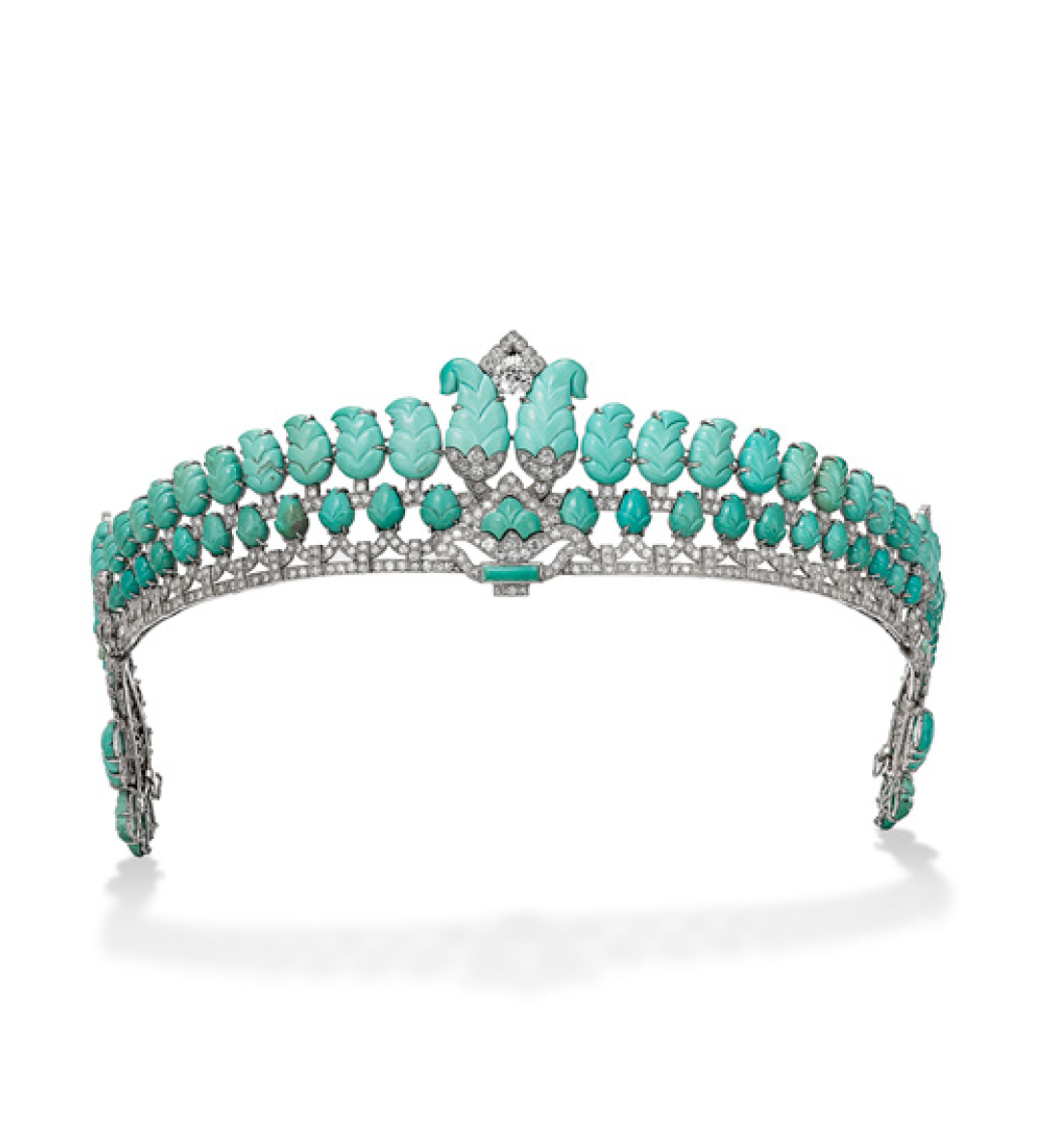
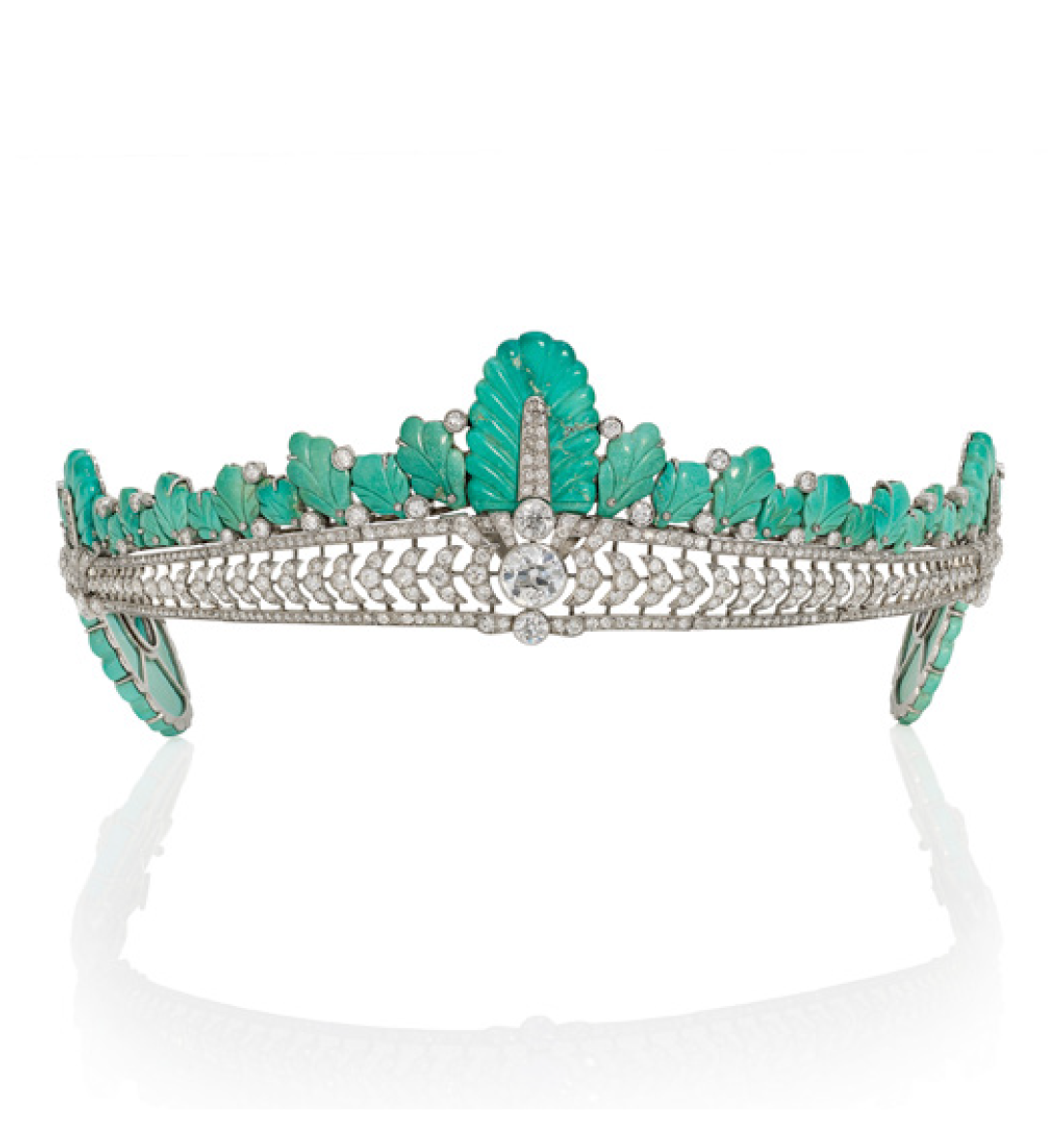
Tiaras: Pinnacle of the Jeweller's Art |
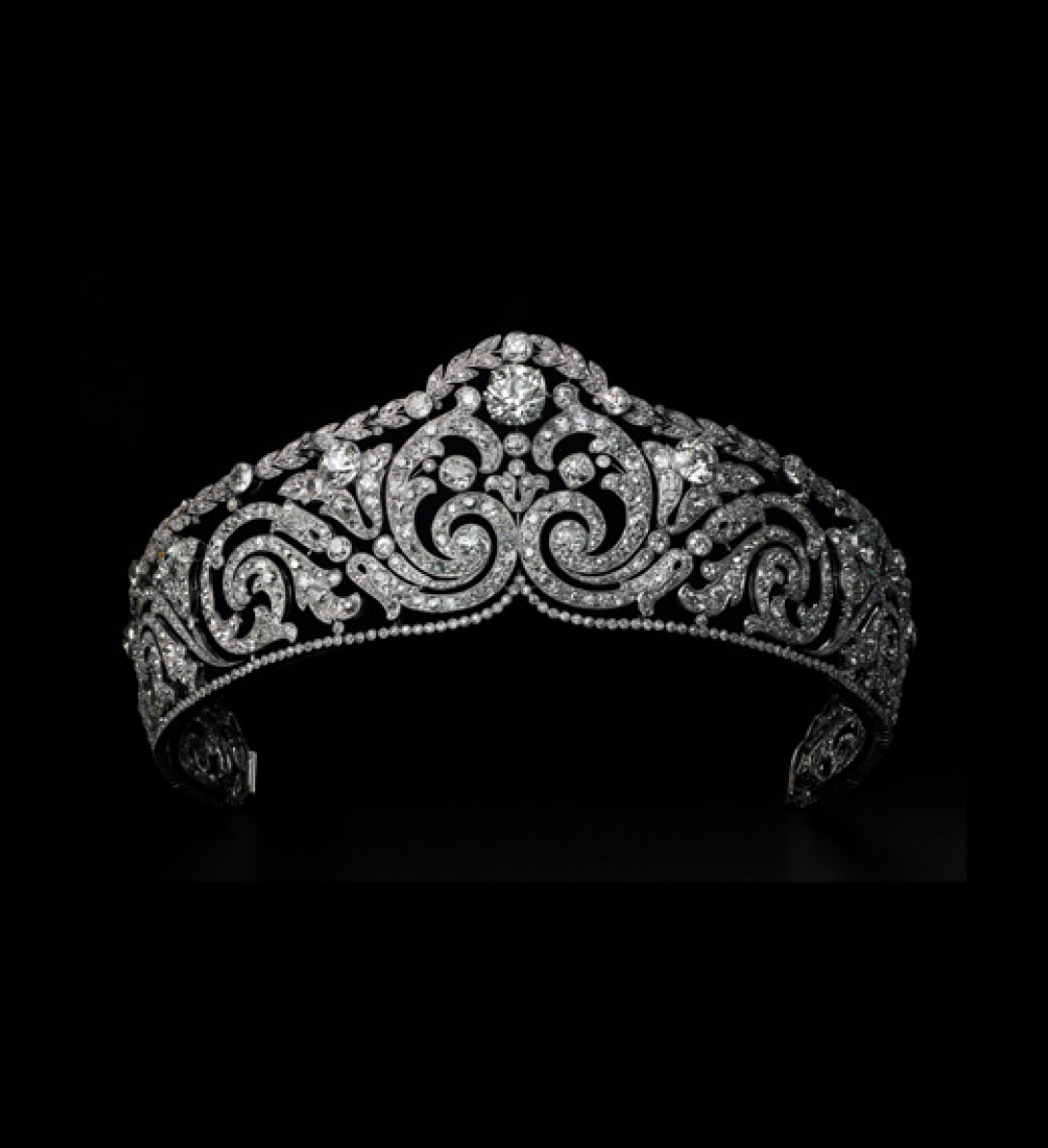 |  |  |  |
Scroll Tiara
Cartier Paris, 1910, modified in 1912
diamonds, platinum
Sold to Elisabeth, Queen of the Belgians
Cartier Collection | Tiara
Cartier Paris, 1907, special order
diamonds, natural pearls, platinum
Owned by Princess Marie Bonaparte, great-grandniece
of Napoleon Bonaparte
Cartier Collection | Tiara
Cartier London, 1936, special order
diamonds, turquoise, platinum
Commissioned by the Hon. Robert Henry Brand,
British civil servant and businessman
Cartier Collection | Tiara
Cartier London, 1930
diamonds, turquoise, platinum
Owned by Nancy Astor, Viscountess Astor, American-born British politician
Private collection |
| | | | |
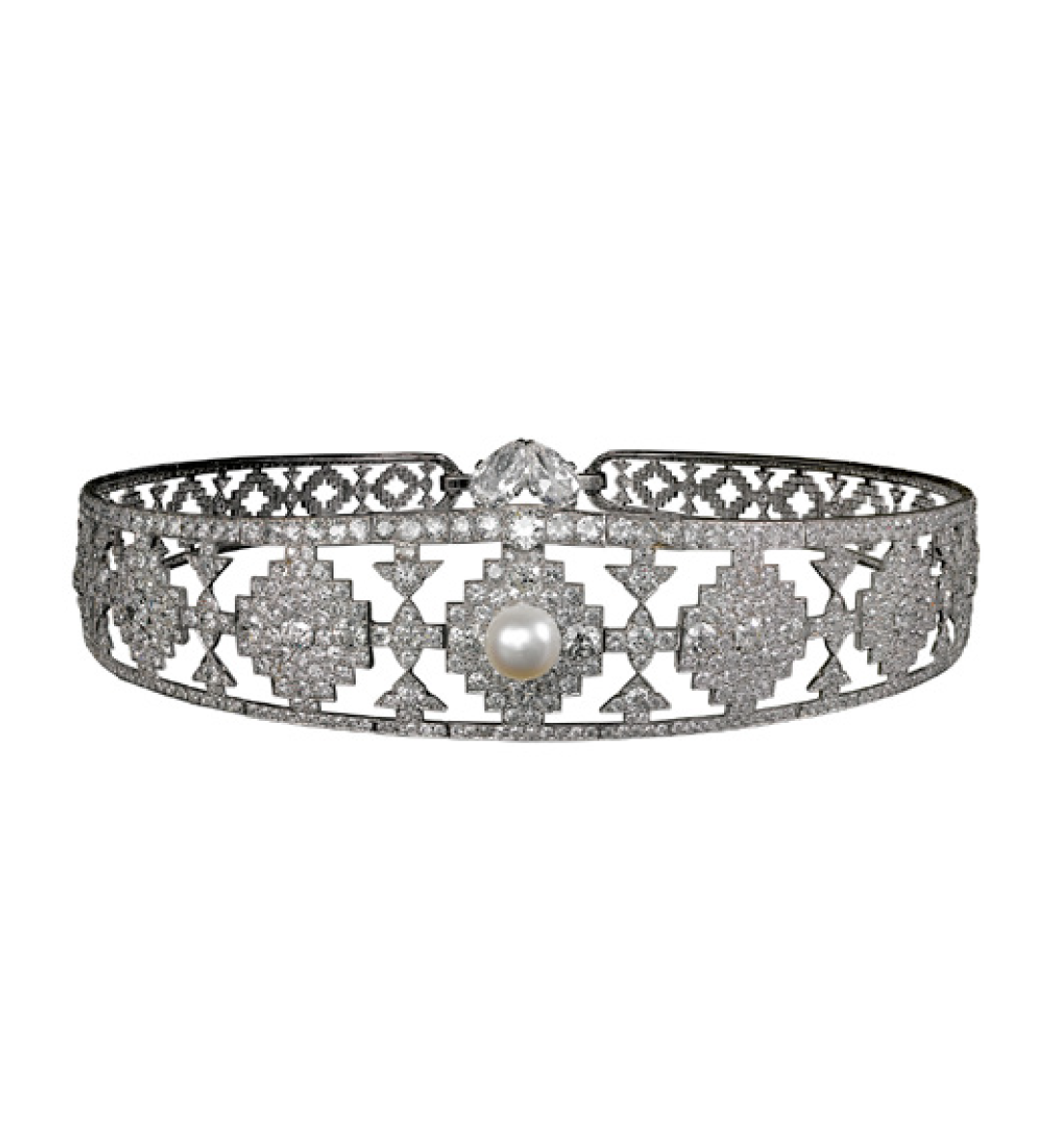 |  |  |  |
Bandeau
Cartier New York, 1924, special order
diamonds, natural pearl, platinum
Owned by Nanaline Duke and passed down to her daughter, American philanthropist and socialite Doris Duke
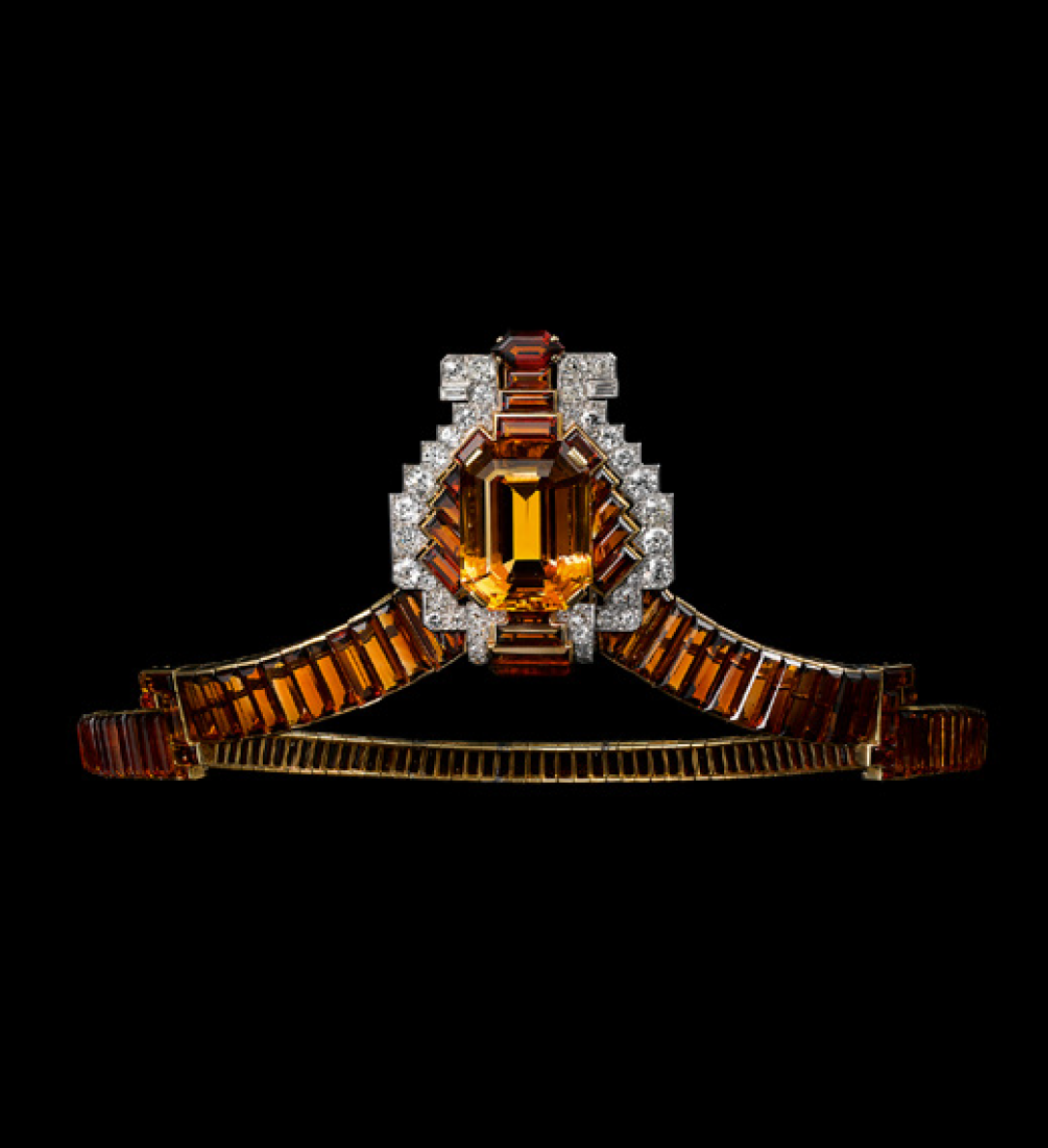
Cartier Collection | Tiara
Cartier London, 1937
citrines (including one of 62.35 carats), diamonds,
platinum, gold
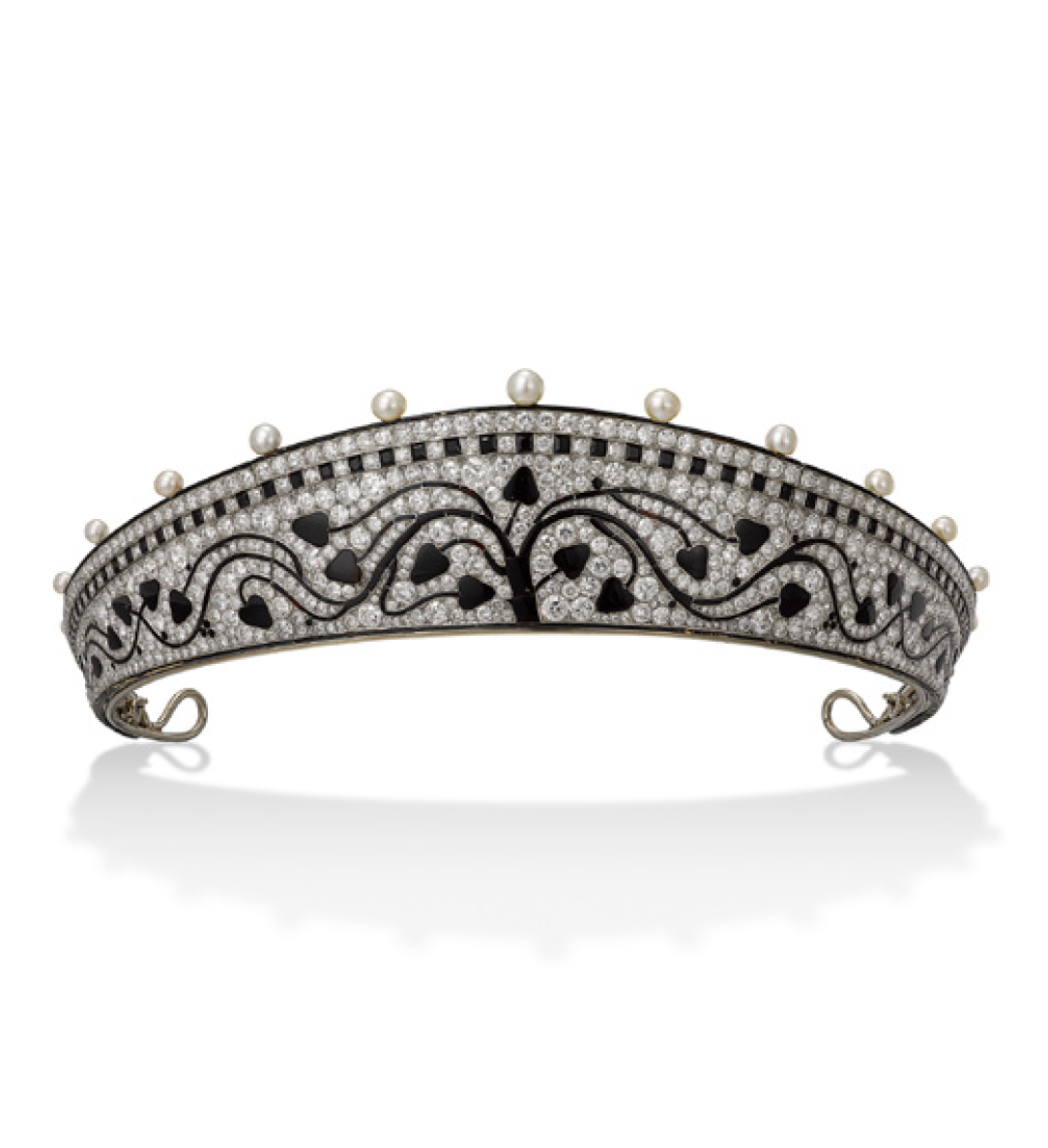
Cartier Collection | Tiara
Cartier Paris, 1914
diamonds, natural pearls, onyx, enamel, platinum
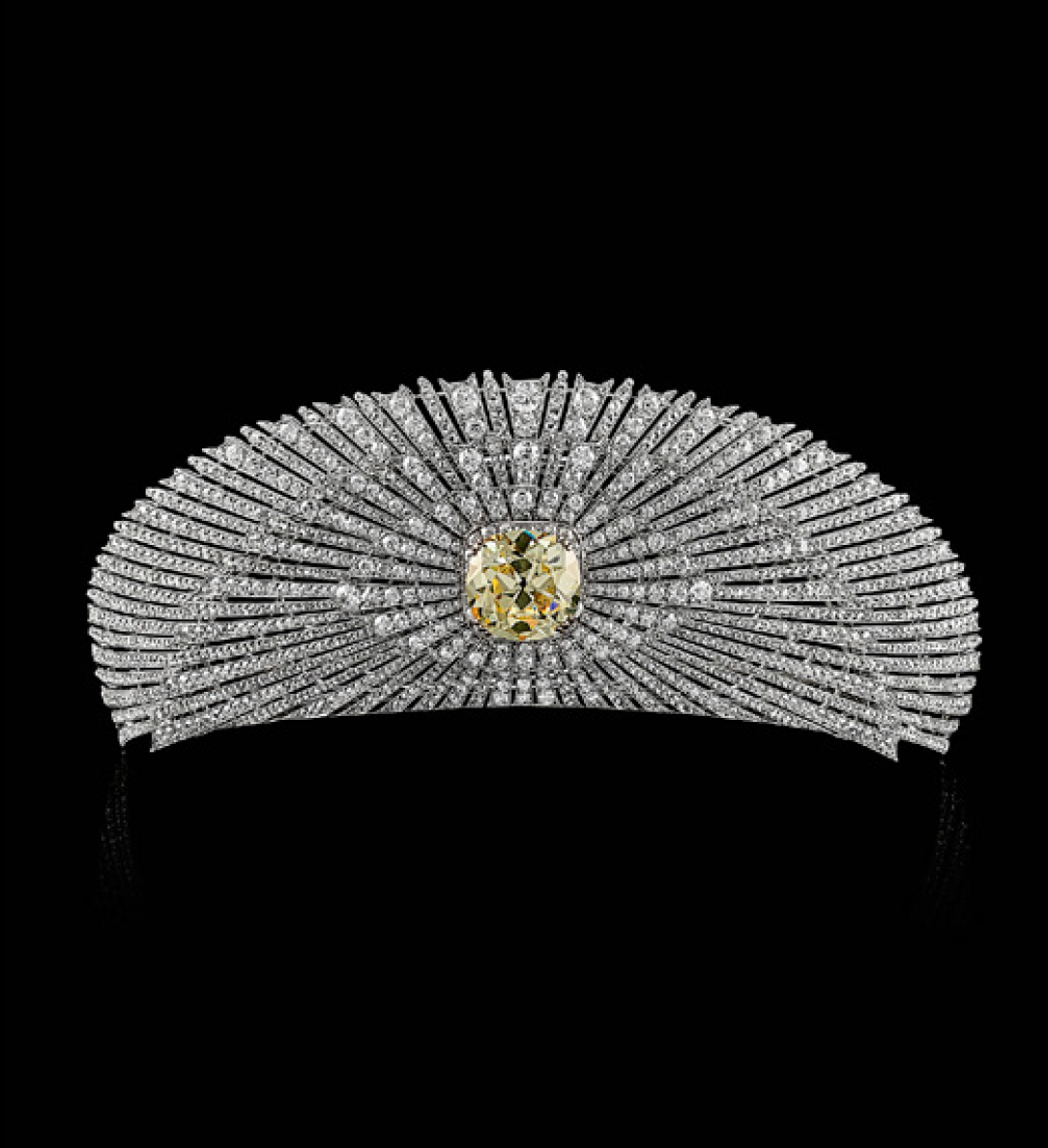
Cartier Collection | Sun Tiara
Cartier Paris, 1907
(current fancy intense yellow diamond set in 2013)
fancy intense yellow diamond (32.58 carats), diamonds, platinum, gold
The Al Thani Collection |
| | | | |
More reading
Legendary Cartier collection heading for Australia
Surrealist jewellery showcase celebrates cultural anniversary
French Queen’s jewellery featured in extravagant showcase
Incredible Cartier exhibition not to be missed