One of the Australian jewellery indusvtry’s best-known distributors has quietly celebrated 40 years in business.
The story of Designa Accessories began with a US fashion brand and a chance encounter in Hong Kong. From humble beginnings in a family garage, the company has expanded into a distributor of watches and jewellery spanning multiple brands, market niches, and price points. At the heart of that journey was the Veil family’s decision to
take a chance on GUESS.
In 1984, Designa Accessories became the first international distributor of any GUESS product outside the US. Two years later, the business was operating from the family garage, helping establish what was then an unfamiliar name in the Australian market. Today, the brand generates annual revenue approaching US$3 billion and has expanded into a leading global fashion brand.
Founded in 1981 by four Moroccan-born fashion designers, GUESS initially made its mark in denim before expanding into licensed categories including watches, eyewear, and fragrance.
Its early success gave the Veil family an opportunity to build a business around a brand that would continue to evolve with the fashion market.
In the early 1980s, Les Veil was involved in a shipping business, while Lyn brought experience in eyewear. A chance meeting in Hong Kong with a businessman preparing to manufacture products under the GUESS name led to an unexpected proposition: Would the couple distribute GUESS watches in Australia?
Although it was unfamiliar territory, the family was confident it could make the opportunity work. A subsequent presentation to Myer was an immediate success, and the department store placed an order on the spot.
The news was relayed between Les and Lyn via a payphone - a memorable snapshot of a time when a major business breakthrough could happen in an environment far removed from today’s constantly connected world.
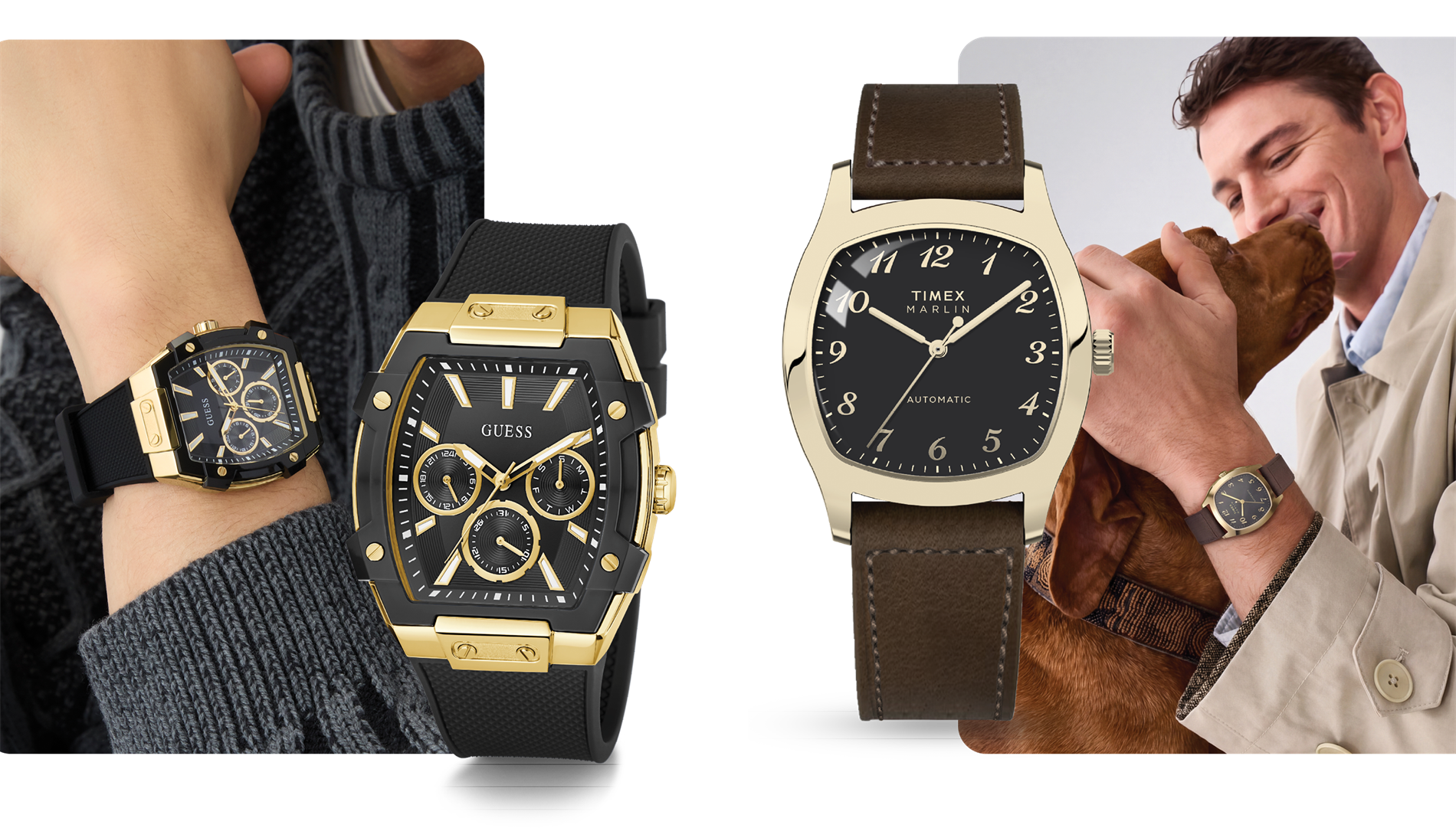 |
| Guess | | Timex |
For Designa Accessories general manager Ivan Meys, that early success gave the family confidence to consider representing additional brands.
“GUESS has always been a pioneer within the fashion watch space. When we started, there was GUESS, and there was Swatch, and there was really no one else in that space whatsoever,” he tells Jeweller.
"The market is a hell of a lot more crowded now than it was back then.
“You had to be daring to be the first movers in that space and, as a result, I think GUESS has the authority to be so many different things and move swiftly with different trends.”
That pioneering spirit was only part of the legacy. The relationships established in those early years have become equally important to the company’s identity.
“We really value long-standing relationships. It’s something critical to the business’ success and something we consider a core value,” Meys says.
Designa’s relationship with Myer dates back to that first order, while its partnership with GUESS watches has continued throughout its 40-year history.
Today, most of the company’s supplier and retail partnerships extend beyond 25 years.
Their longest standing employee has been with the business for almost three decades, while almost half its workforce has stayed for more than 10 years.
Maxum: Creating an opportunity
If GUESS demonstrated the value of backing a brand with potential, Maxum showed what could happen when Designa created its own opportunity.
Launched in 1999, Maxum Watches emerged from an unlikely conversation with Myer. The Australian-born brand has since distributed more than 750,000 watches across Australia, New Zealand and international markets.
Its origins, however, trace back to another distinctly Australian name: Mambo Graphics.
A counter-culture phenomenon that emerged in the 1980s, Mambo became synonymous with irreverent designs and Australian surf culture.
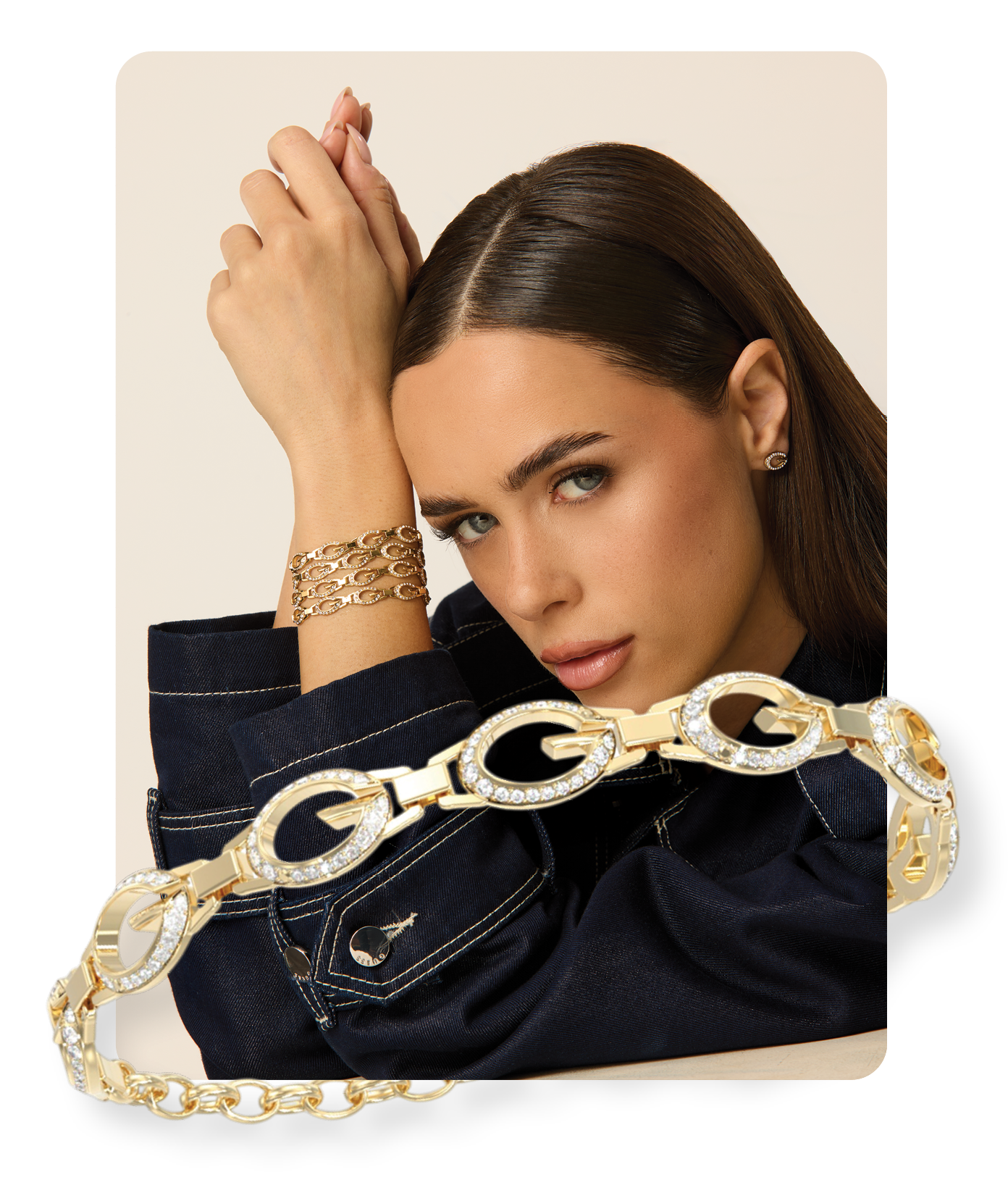 |
| Guess |
Designa designed, developed, and distributed Mambo watches for seven years; however, the brand’s commitment to independent surf retailers wad a challenge.
Determined to preserve its identity, Mambo resisted selling through department stores.
As Justin Veil recalled, this put Designa in an awkward position. The company had built a strong relationship with Myer, which was keen to stock Mambo but could not persuade the brand to change its approach.
“We were doing a significant amount of business with Myer,” Veil told Jeweller. “Every time we would meet with them, they would tell us that we had to talk to Mambo, and that Myer had to have the brand.
“I kept explaining that we couldn’t do it. It went against the brand’s entire philosophy of working with independent retailers, and Mambo would never accept that.”
Eventually, Myer offered an alternative that would change the course of Designa’s history.
“After getting particularly irritated, the Myer staff threw us a proposal one afternoon: ‘Why don’t you make us a bloody watch brand then?’”
Veil initially gave the suggestion little thought, but discussions with his team over the following weeks turned it into a business opportunity. The result was Maxum, a watch brand built around surf and outdoor lifestyles with the freedom to sell through both independent retailers and department stores.
Within a relatively short period, around 400 retailers were stocking Maxum.
The brand was challenging the conventional thinking that had long separated surf culture from mainstream retail.
“It was pretty simple at the time. If you were cool, you didn’t appear in department stores,” Veil said, pointing to brands such as Rip Curl as examples of the prevailing mindset.
Indeed, Maxum took a different path. Initially developed for department stores, it attracted the attention of surf retailer Surf Dive ‘n’ Ski after about a year, opening the door to a broader retail presence.
“Maxum Watches started as a brand for department stores, and after a year or so, Surf Dive ‘n’ Ski approached us and said they wanted the brand. It snowballed from there, and over the next five years, we experienced tremendous growth.”
Maxum demonstrated the company’s ability to identify an unmet retail need, develop a product around it, and build an Australian brand that could cross traditional market boundaries.
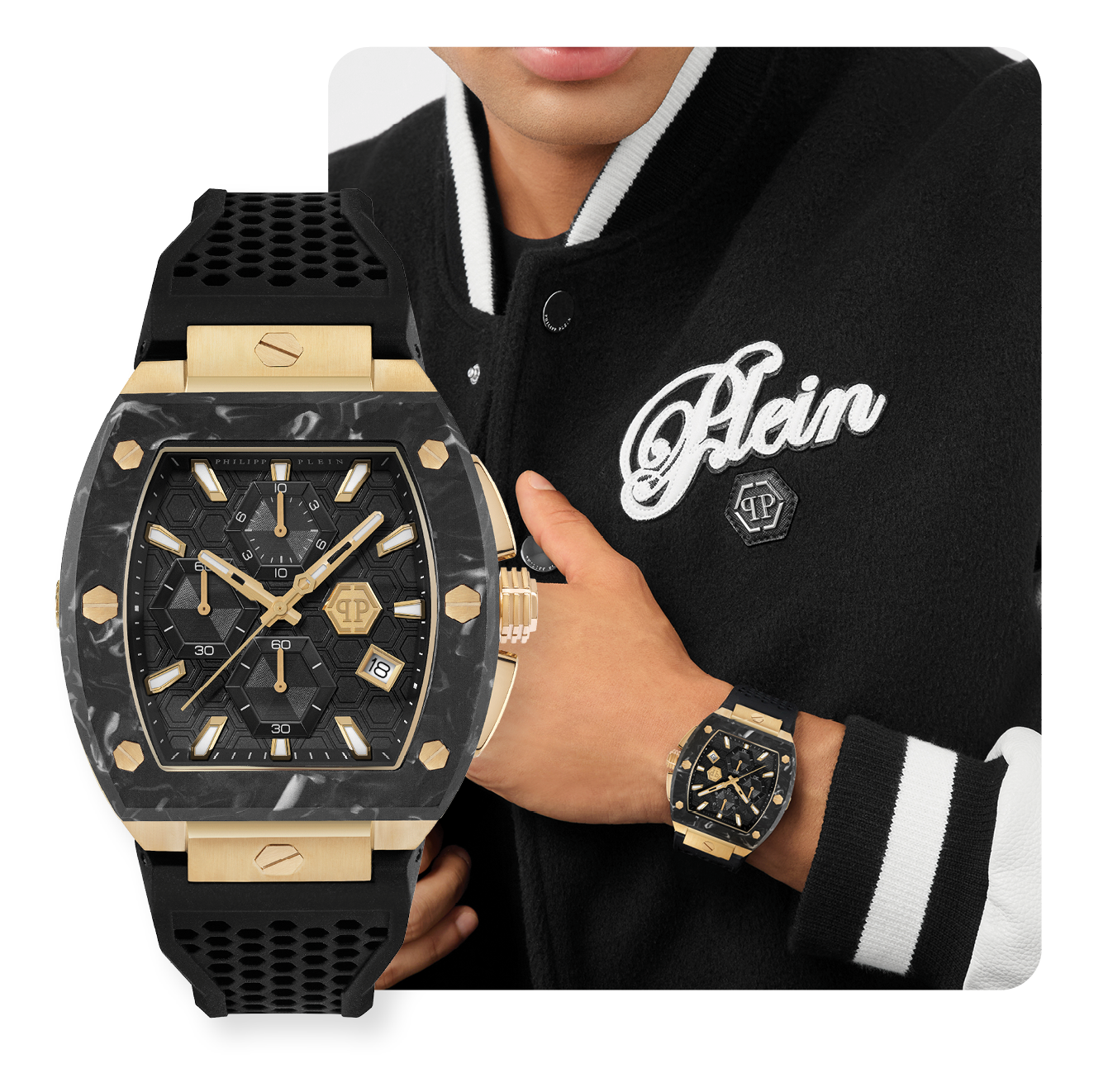 |
| Philipp Plein |
Timex: Rediscovering heritage
With GUESS bringing fashion credibility and Maxum tapping into Australia’s surf and outdoor culture, Designa had built a portfolio that reached very different consumers.
The next opportunity lay in a different proposition altogether - heritage watchmaking.
That opportunity came through Timex, a brand with a history spanning more than 170 years and a legacy built on accessible and reliable timekeeping.
Founded in Connecticut in 1854 as the Waterbury Clock Company, Timex emerged from an American manufacturing tradition focused on making timepieces affordable. One of its defining early products was the Yankee Pocket Watch, introduced in 1901 for just $USD1.
Yet affordability had become a double-edged sword by the time Designa took responsibility for Timex’s Australian distribution.
In an increasingly crowded market, the brand struggled to command the recognition its history deserved, with some consumers associating it with discount retail rather than established watchmaking. Meys recalls that the challenge was clear from the outset.
“When we took on the brand, we knew that we were facing an uphill battle to change the brand’s perception in the local market,” he said.
“The first thing we focused on was elevating distribution. We wanted the right people to see the brand in the right places, so we focused on moving it into department stores and mainstream jewellers.”
The challenge extended beyond retail placement. Timex had built recognition through practical, sports-oriented watches, particularly its Ironman range, but devices such as Fitbit and Garmin brought new competition and shifting consumer expectations. The response required a fundamental reassessment of what made Timex distinctive.
“It was around that time that the decision was made to lean aggressively into the heritage side of the brand,” Meys said.
“We needed to cease offering many of our best-sellers because they weren’t offering consistent brand messaging. This was difficult for many people to accept.”
Instead, Timex revisited its archives, bringing historical designs back into focus and drawing on the watchmaking expertise that had sustained the company for generations.
“It was about turning the focus to the kind of timekeeping and watchmaking expertise that has served the brand well for more than 170 years,” Meys explained.
The shift gave Timex a clearer point of difference. Rather than trying to match every development in wearable technology, it could draw on something competitors could not easily replicate - history.
For Designa, the partnership reinforced a lesson that had emerged throughout its evolution.
Successful distribution is not simply about putting products in front of consumers; it is about understanding what makes a brand relevant and ensuring its identity resonates with the market.
Building for the long term
Over the past decade, Designa has continued to evolve its portfolio, adding brands that reflect changing consumer tastes while broadening its established watch and jewellery offering.
Rosefield introduced a minimalist, fashion-focused aesthetic, meeting demand for contemporary watches. Designa has worked with the brand for around a decade, and it remains one of its most successful offerings. Philipp Plein brought a contrasting proposition, injecting an explosive, statement-driven style into the portfolio.
More recently, the company has expanded into Aston Martin watches and jewellery, followed by Orlam, a Swiss watch brand that adds another dimension. For Meys, these developments reflect a market that continues to evolve, with traditional watches enjoying renewed attention.
“Fashion watches are enjoying a huge moment. Customers are flocking back in droves, the shine of smartwatches has worn off, and people are really seeking the opportunity to disconnect from everyday life and being constantly connected to technology,” he said.
After years of attention on connected devices, traditional timepieces are offering consumers something different - a tangible accessory that combines personal style with the enduring appeal of watchmaking.
For Designa, the opportunity lies in recognising these shifts while continuing to build brands with an identity and long-term potential.
“We’re about building things over the long term. It’s all about having a sustainable business,” Meys said.
“We have a very clear idea about what our core values are, and what it means to be a partner to the suppliers we work with and to our customers downstream. We want to make sure that we continue to respect that. That’s the most important thing in terms of our plan.”
Meys believes those relationships have helped Designa navigate both prosperous periods and more challenging market conditions.
Retailers can readily turn to the next emerging trend; however, long-standing partnerships can help brands retain their place in the market through downturns and benefit when demand returns.
Looking ahead, Designa’s priority remains straightforward. It's about bringing excellent products to market at compelling prices, supported by effective marketing that helps retail partners convert interest into sales.
Forty years after the Veil family took a chance on an emerging fashion brand, that philosophy remains central to Designa Accessories.
Brands change, tastes shift and competition intensifies, but the company’s ambition remains consistent. Build lasting partnerships, recognise opportunities, and give retailers compelling reasons to do business for years to come.
Read eMag