Two years ago, an interesting question was explored about the enduring popularity of fancy colour diamonds.
The question explored the link, if indeed there was one at all, between the popularity of fancy colour diamonds and media coverage of high-profile auctions featuring these rare and highly coveted treasures.
Of course, it should always be noted that these auctions feature a different type of jewellery and diamond than you would ever find in a jewellery store – even among those of the high-end metropolitan variety.
Regardless, it’s an interesting proposition. Could some degree of the popularity of these rare and expensive diamonds be attributed to the media buzz generated by these auctions?
In many ways, if you’re of the belief that they are influential, then it’s an easy case to make. Fancy colour diamonds are scarce, and their appearance as the ‘headline act’ of international luxury auctions emphasises that exclusivity.
With that said, a closer examination suggests that, in terms of marketing, it was something of a ‘double-edged sword.’
When a high-profile diamond fails to sell at an event, or worse, comes in well below its presale estimate, it can undermine confidence in the category.
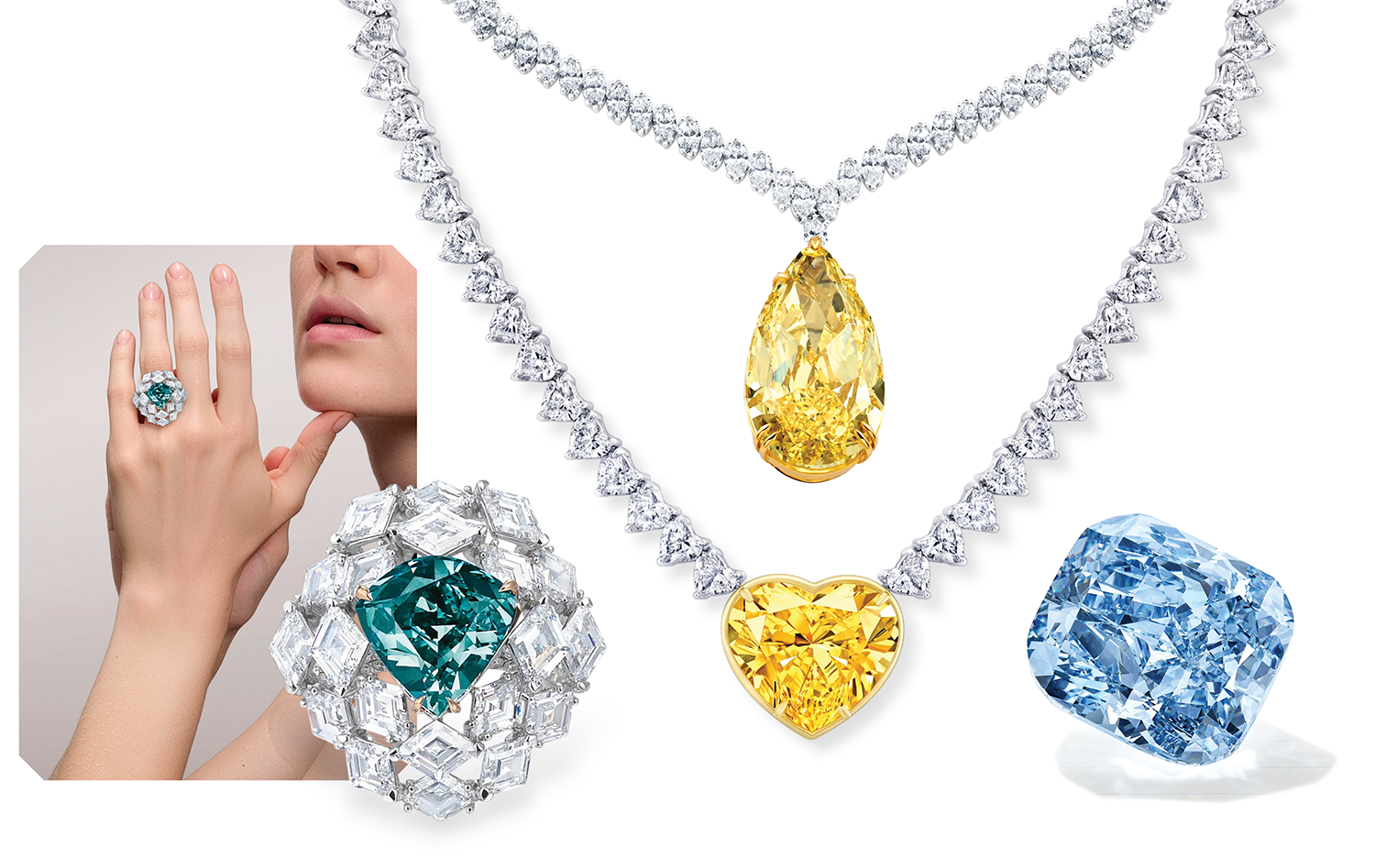 |
| The Ocean Dream | Norman Silverman Diamonds | Mediterranean Blue |
When these auctions break records – regardless of how overly specific the benchmarks might be - this could be perceived as validation of value, which in turn improves consumer confidence in the category.
Auctions involving fancy colour diamonds frequently attract media attention, particularly when celebrities and public figures attend.
This exposure could spark interest among consumers who closely follow these events or figures, and even more so among those easily influenced by trends and celebrity endorsements.
Of course, high-profile auctions include detailed descriptions and commentary on the diamonds being sold, and expert photographers and videographers showcase the stunning visual appeal of these stones. Many fancy colour diamonds also have fascinating histories, and this context can drum up additional interest among collectors.
This increased access to information could motivate consumer intrigue and interest, enhancing their appreciation and understanding of the category.
At the time, it was concluded that high-profile auctions, boosted by media coverage, were attracting an increasingly younger demographic to the world of fancy colour diamonds.
While successful sales may boost market confidence, unsold high-profile pieces could negatively impact perceptions. It was concluded that several notable sales indicated ongoing passion and enthusiasm in the market despite the occasional setback.
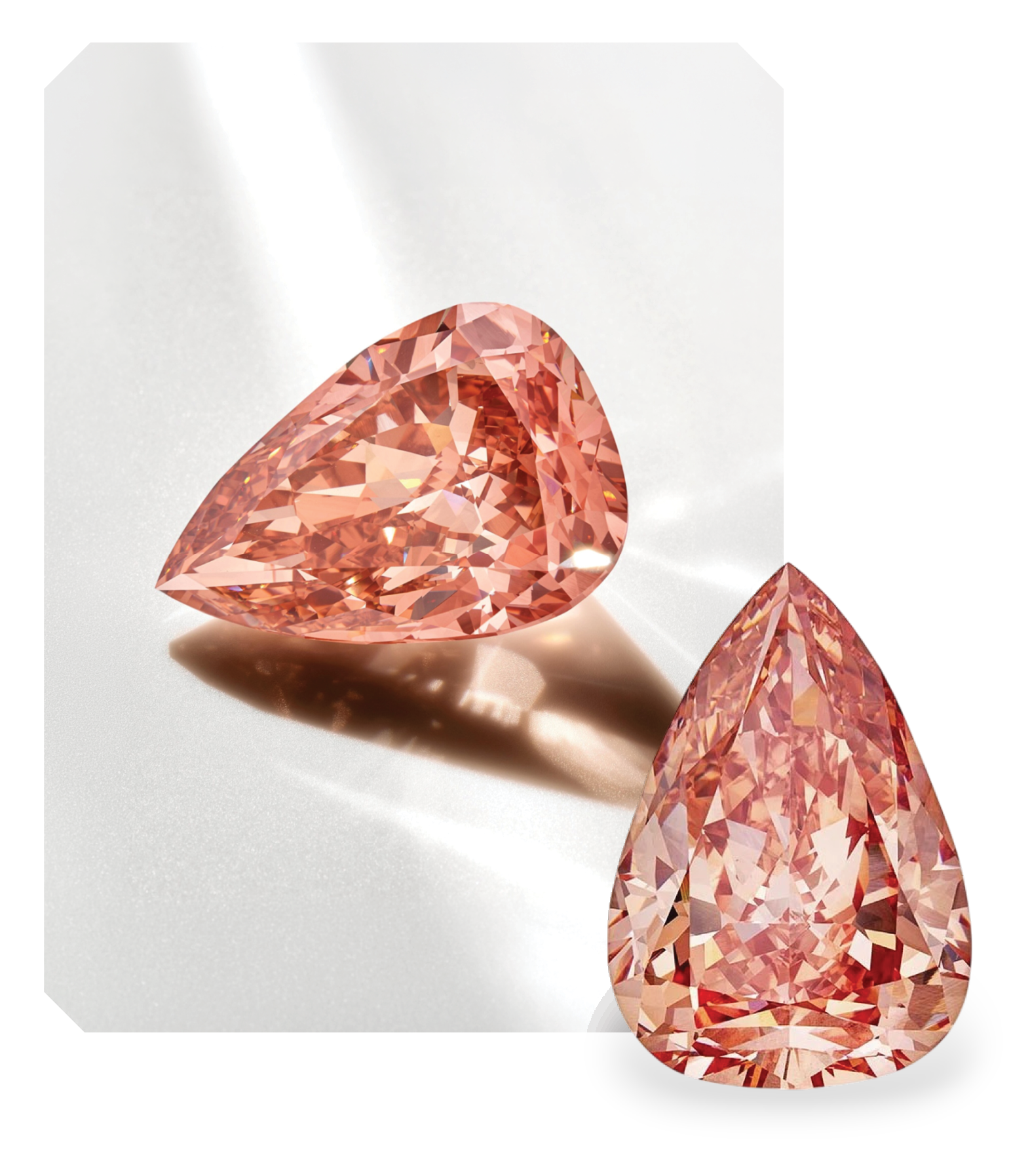 |
| Desert Rose |
The Story Continues
Well, it’s been a massive year on the fancy colour diamond front – and the results have highlighted the remarkable variety available.
To qualify for the ‘fancy’ moniker, diamonds must display a colour stronger than the Z grade.
For the diamonds that reach these parameters, there are six distinct categories to be mindful of - fancy light, fancy, fancy intense, fancy dark, fancy deep, and fancy vivid.
The GIA assesses three core characteristics - hue, tone, and saturation - to determine which of these six categories a stone is classified within. Six colours make up the 27 distinct hues.
Back in May, furious bidding swirled around the largest blue-green fancy colour diamond ever sold at auction, commanding a record price. Known as the Ocean Dream, it is a triangular-cut, 5.50-carat, fancy-vivid-blue-green type IIa diamond.
It was discovered as an 11.70-carat rough. The diamond returned $USD17.4 million ($AUD24.39 million) after 20 minutes of bidding.
The Ocean Dream was acquired by the Cora Diamond Corporation in New York in the early 1990s, which commissioned Mazhar Saylam to shape it into a modified triangular brilliant.
The diamond made its public debut in a Smithsonian Institution’s National Museum of Natural History exhibition in 2003.
It was displayed alongside the Moussaieff Red, the De Beers Millennium Star, the Pumpkin Diamond, the Blue Heart of Eternity, the Allnatt Diamond, and the Steinmetz Pink.
In an interview with the Observer, Tom Moses of the Gemological Institute of America explained the demand for diamonds of this rarity.
“Blue-green diamonds are extraordinarily rare because their colour depends on a very specific set of natural conditions,” Moses explained.
"The radiation most often does not penetrate entirely through the diamond, which makes the cutting process especially delicate, as the cutter must preserve the colour while also balancing shape, weight and brilliance.”
“The result at Christie’s reflects continued demand for exceptional natural coloured diamonds. Collectors at this level are looking for gems with characteristics and stories that are beautiful and unique.”
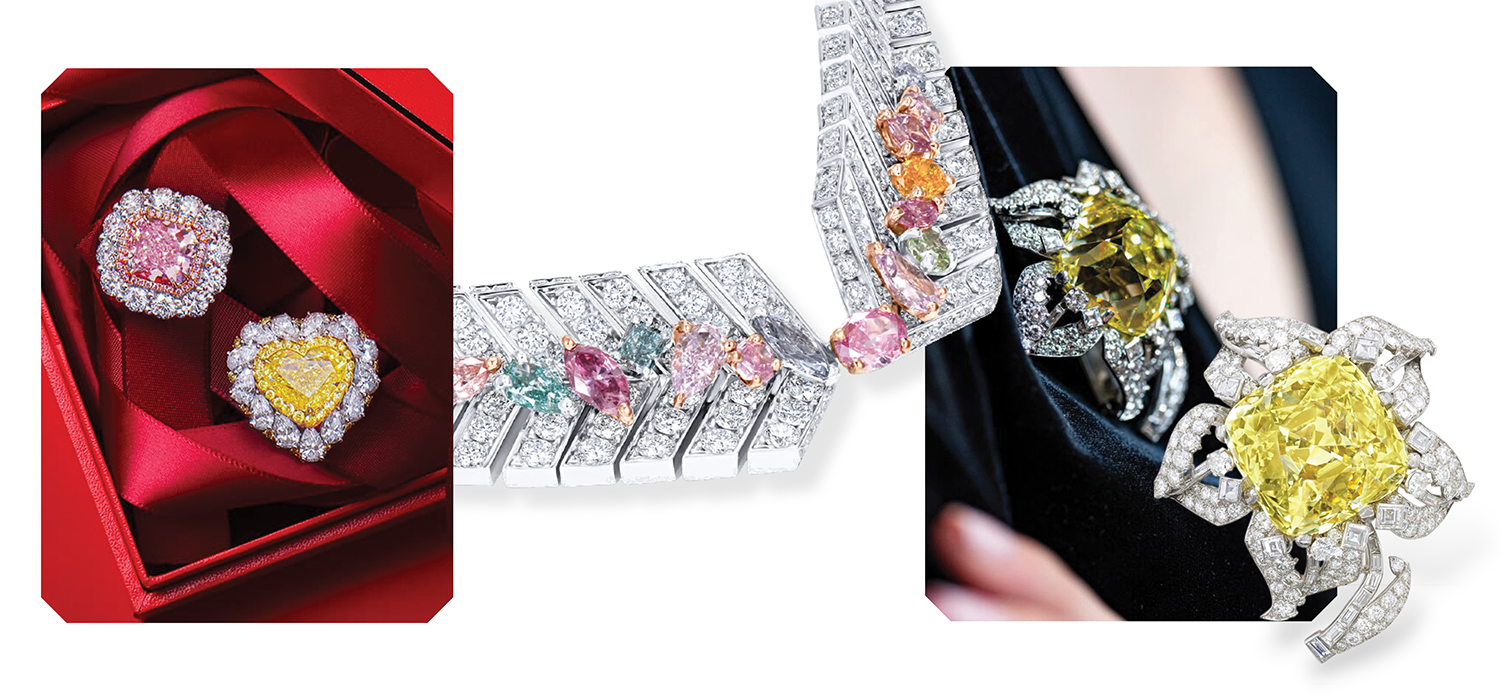 |
| Astteria | David Morris | Allnatt Diamond |
Homegrown Heroes
In February, the sale of the Argyle Treasures ring spotlighted Australia's outsized role in the world of fancy colour diamonds and drew media attention.
As part of a project overseen by the Perth Mint, the ring features 2.89 carats of fancy colour diamonds from the Argyle Diamond Mine and is described as a ‘celebration of the Kimberley region’s vibrant sunsets and the beautiful blues of Lake Argyle.’
A matching pair of vivid pink oval diamonds totalling 0.75 carats was the ring'scentrepiece. The ring is crafted from 18-carat gold and features 285 pink diamonds paired with four blue diamonds. The sale details were not made public. Tina Kircher, general manager retail, said the response from luxury jewellery collectors was pleasing.
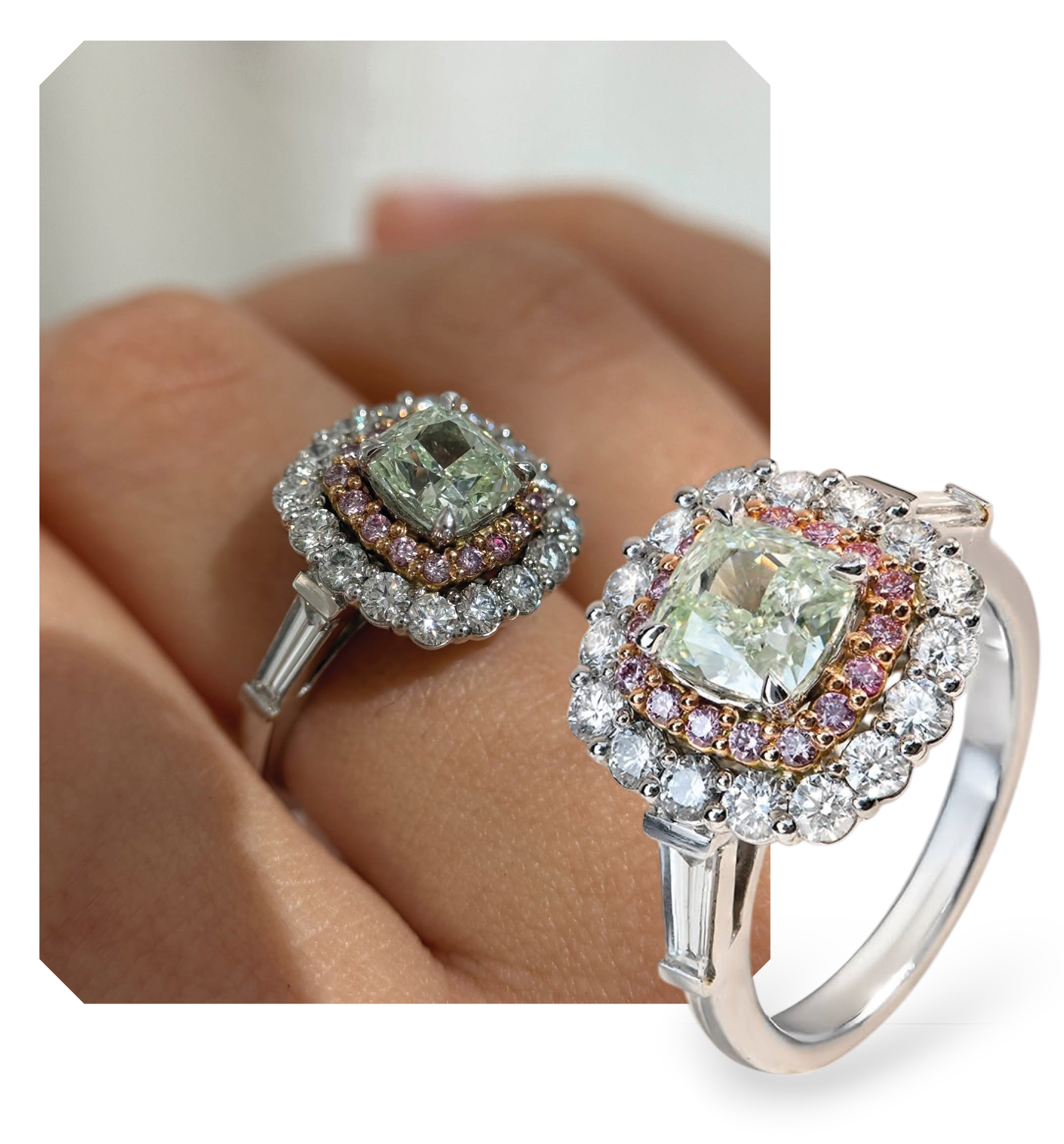 |
| Pink Kimberley |
“We are so happy with the response we received to the Argyle Treasures ring,” Kircher said.
“Its sale reflects the growing global appreciation for ethically sourced Australian materials and exceptional design,
and we’re excited to continue pushing boundaries in this space.”
In a recent interview with Jeweller, the mind behind that piece, John Glajz, said that with supply exhausted, the responsibility now rests with the broader industry to preserve the narrative surrounding these exceptional diamonds and ensure future generations understand their significance.
“Many retail jewellers, especially those in Australia, have a long-standing association with Argyle pink diamonds,” he says.
“It is an Australian icon after all. They still hold stock and receive specific requests. The love will always be there. I guess that there should be more storytelling with reference to the fact that the supply of these gems is finite.”
That emphasis on storytelling has long been central to Glajz's approach. After all, these are pieces of history, shaped by geography, craftsmanship, and the people who bring them to market. In a post-Argyle landscape, he believes that communicating this provenance will be critical to maintaining both appreciation and value.
“Even though business has been slow due to the current geopolitical situation, inflationary pressures, perceived global instability and shifts in consumer priorities, I believe that there will ultimately always be demand for rarity,” Glajz explains.
“Something that is exceptional, natural and exclusive. It is a question of effective marketing. However, the future value of the Argyle legacy depends not only on the scarcity and rarity of those diamonds, but also on disciplined brand stewardship and management.”
Mystery Machine
Among the other diamonds of note over the past 12 months was the truly unique Desert Rose.
The 31.68-carat, sunset-hued stone was sold at a Sotheby’s auction in Abu Dhabi in early December.
The diamond sparked a bidding war and sold for $USD8.8 million ($AUD12.32 million), exceeding expectations and confirming a broader market appetite for natural colour.
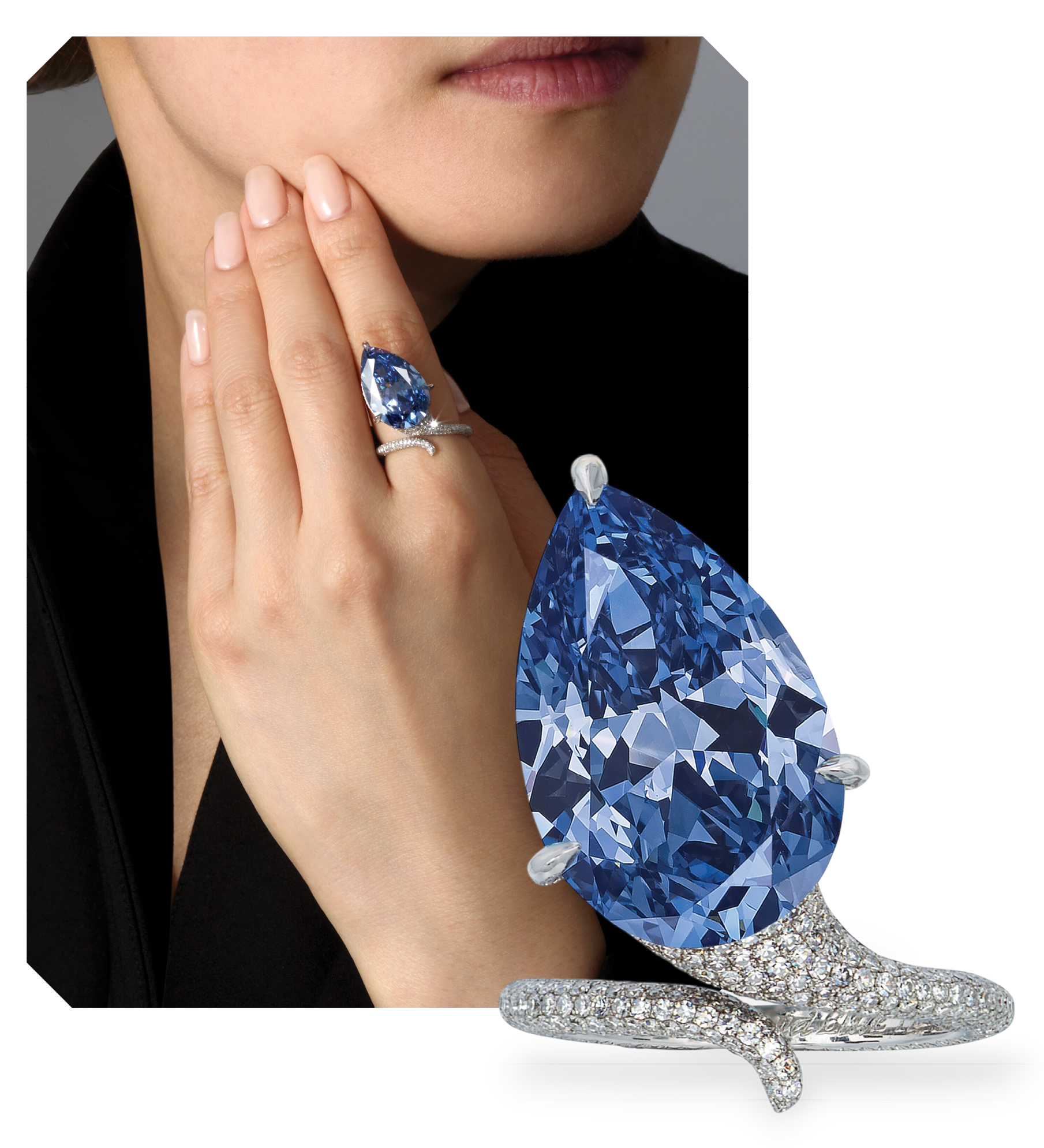 |
| Mellon Blue |
As expert Grant Mobley explains, despite the attention this auction generated, a significant amount of mystery still remains around this unique diamond – which is the last of its kind ever graded by the GIA.
“No public record exists of its discovery. Diamonds of this calibre typically make headlines the moment they emerge from the ground, yet this stone appeared quietly and was already impeccably cut,” Mobley writes.
“That mystery fuels speculation. At first glance, its orangy-pink tone might suggest Australia’s Argyle mine, once the source of the majority of the world’s pink diamonds.
"Yet Argyle rarely produced stones of this size, and the Desert Rose's colour profile differs from typical Argyle material.
“My best assessment points toward a small, independently operated mine, possibly in Brazil, a country known for producing exceptional fancy colour diamonds that sometimes trade privately rather than through public channels.”
He concluded: “The diamond’s cutting style also suggests a relatively recent origin. Everything about the Desert Rose indicates careful stewardship from discovery to debut, from someone who understood its importance from the very beginning.”
Perhaps best of all, the seller and buyer remained anonymous, adding another layer of intrigue to an already extraordinary diamond.
Big, Blue & Beautiful
Just a few weeks before the sale of the Desert Rose, another stunning fancy colour diamond was the star of an auction in November in Geneva.
Hosted by Christie’s, the 9.51-carat Mellon Blue hit the auction block at the 11 November Magnificent Jewels sale and returned $USD25.6 million ($AUD39.24 million).
Set in a ring, the diamond is internally flawless and was once owned by Rachel Lambert Mellon, a horticulturist, philanthropist, and art collector. Interestingly, Mellon’s grandfather, Jordan Lambert, invented Listerine.
The final price landed within the pre-sale range; however, it represented a notable 20 per cent decline from its most recent sale, which occurred in New York in 2014.
At that time, the Mellon Blue was mounted in a pendant and was purchased by a Hong Kong buyer for $USD32.6 million ($AUD49.97 million). Max Fawcett of Christie’s said that the sale reflected a “market defined by confidence and discernment.”
The auction house noted that this was the third-highest price achieved by a vivid blue fancy colour diamond sold at Christie’s. The Oppenheimer Blue (14.6-carats) was sold for $USD57.5 million in 2016, and the Bleu Royal (17.6-carats) was sold for $USD43.8 million in 2023.
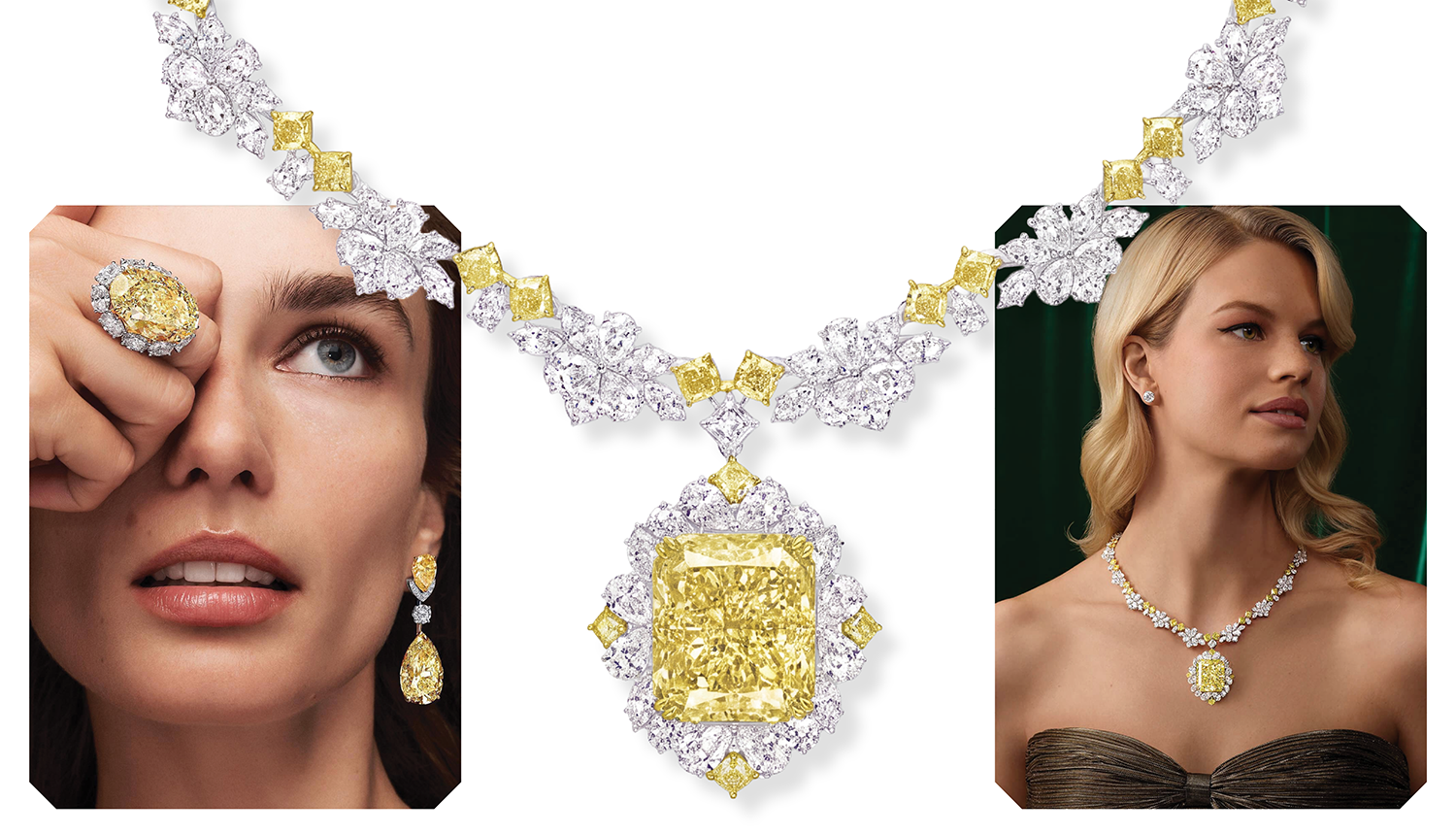 |
| Graff | | Harry Winston |
What Does The Data Say?
Indeed, the past year has featured many remarkable diamonds that demonstrate not only the stunning variety possible within the category, but also the prevailing appetite for the best of the best among collectors.
With that said, is it possible to go even further on this subject? In March, Rapaport published a fascinating analysis of fancy colour diamond performance at auctions over the past decade.
That report consulted with experts on market fluctuations at the upper echelon, and suggested that several particularly extraordinary auction results of the mid-2010s have not translated into a sustained increase in the number or value of ultra-high-end fancy colour diamonds reaching the market. If anything, the top end has contracted.
In 2016, nine fancy colour diamonds were sold at auctions for more than $USD20 million, while another three exceeded $USD10 million. The following year brought similarly spectacular results, including the CTF Pink Star at more than $USD70 million and a 14.54-carat fancy-vivid blue above $USD50 million.
With that said, by 2023, only four fancy colour diamonds exceeded $USD20 million.
And in 2024 the best result was a pink diamond at just over $USD13 million. The number of pink, blue, and yellow diamonds making the list of top auction performers also fell from 44 in 2016 to 28 nine years later.
The analysis identifies scarcity as one of the biggest reasons behind this shift. Exceptional stones are becoming harder to source, while owners of the great diamonds already in private collections are reluctant to sell.
This creates an interesting paradox: spectacular auction sales can increase the perceived value and desirability of fancy colour diamonds; however, the resulting scarcity can reduce the supply of headline-making stones available to demonstrate that very demand.
There was also evidence that suggested that, in this upper echelon, the ‘fancy colour diamond craze’ may have peaked as early as 2016 – long before the closure of the Argyle Mine propelled pink diamonds to global fame.
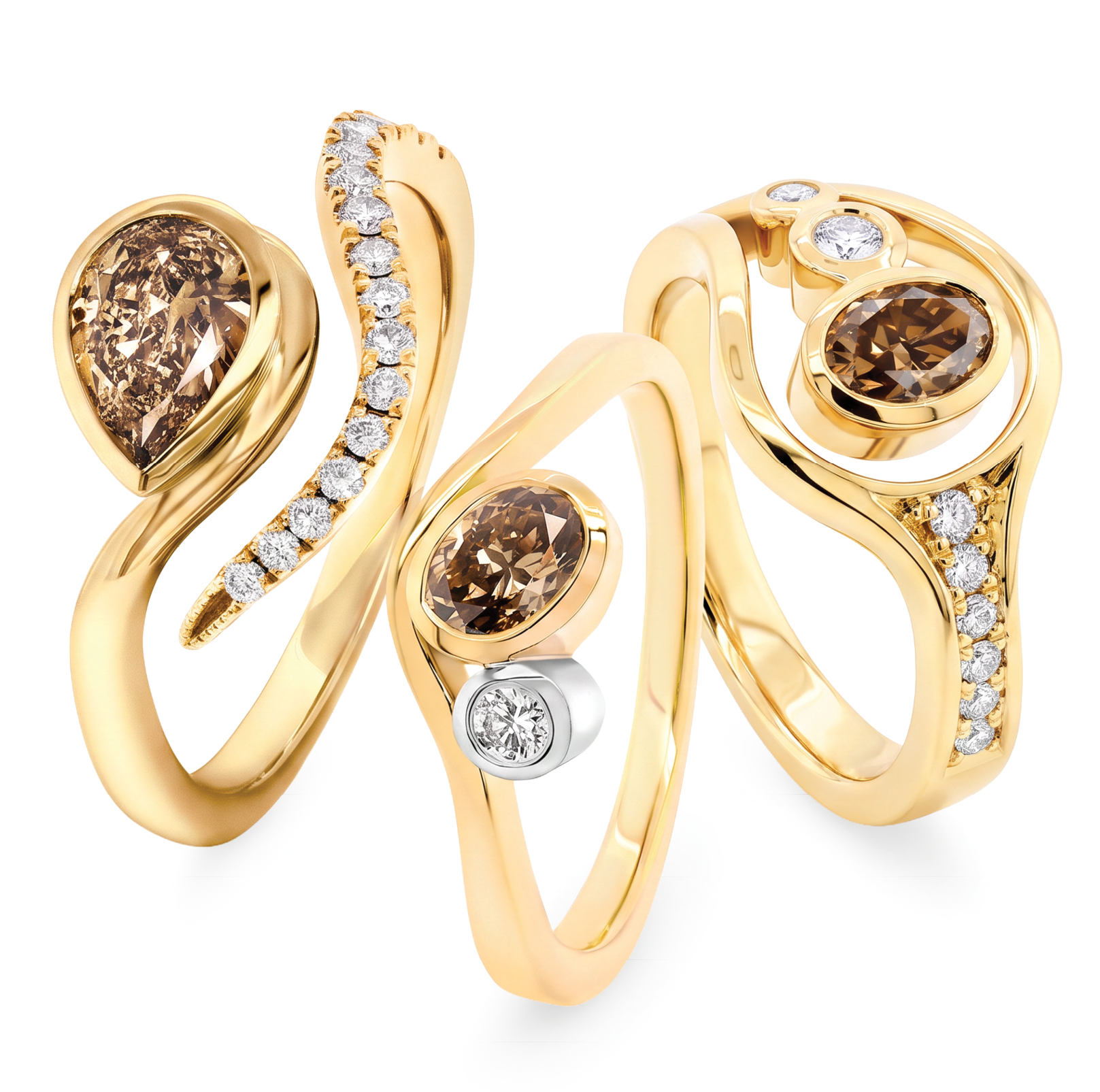 |
| Ellendale Daimonds |
According to Sotheby’s Quig Bruning, the pool of buyers able and willing to spend $USD30 million-plus has already acquired many of the great blue, pink and yellow diamonds. Meanwhile, interest from Far Eastern buyers has weakened.
Marketing may be another piece of the puzzle. Industry figures argue that auction houses are simply not generating the same level of hype they did a decade ago. At the same time, releasing too many exceptional diamonds in quick succession can create oversaturation, potentially normalising prices rather than continually pushing them upwards.
Importantly, the article suggests that auction results are no longer the whole picture. Some of the most valuable fancy colour diamonds are now being sold privately, where wealthy collectors can maintain anonymity. Christie’s and Sotheby’s reportedly achieved private-sale prices in 2025 that exceeded their records.
This report doesn’t support any particularly simple theory that auctions bolster the global popularity of fancy colour diamond jewellery. Instead, it paints a more nuanced picture.
Spectacular auctions can create excitement and establish benchmarks; however, scarcity, collector behaviour, changing tastes, buyer demographics, pricing, and increasingly private transactions all influence whether that excitement filters into the broader fancy-colour market.
And perhaps, in the end, that’s the obvious answer to this specific question – even if it is a little unsatisfying and non-committal. Auctions generate tremendous hype and excitement around fancy colour diamonds and undoubtedly contribute, in some way, to their popularity.
With that said, this influence is easily outsized by the role played by the innate characteristics of fancy colour diamonds – namely, scarcity and unrivalled natural beauty.
Read eMag