From everyday convenience to advances in materials and surface treatments, waterproof jewellery is offering consumers a different way to think about the pieces they wear.
For retailers, understanding the specifics behind this increasingly common request is just as important as recognising its appeal.
It goes without saying that jewellery has always been about more than adornment. Whether a piece marks a special occasion, carries sentimental value, or merely completes an outfit, the pieces we choose to wear often become part
of our everyday lives.
And yet those same pieces often come with important practical considerations that consumers may not immediately understand – offering the typical jeweller another opportunity to demonstrate expertise and authority.
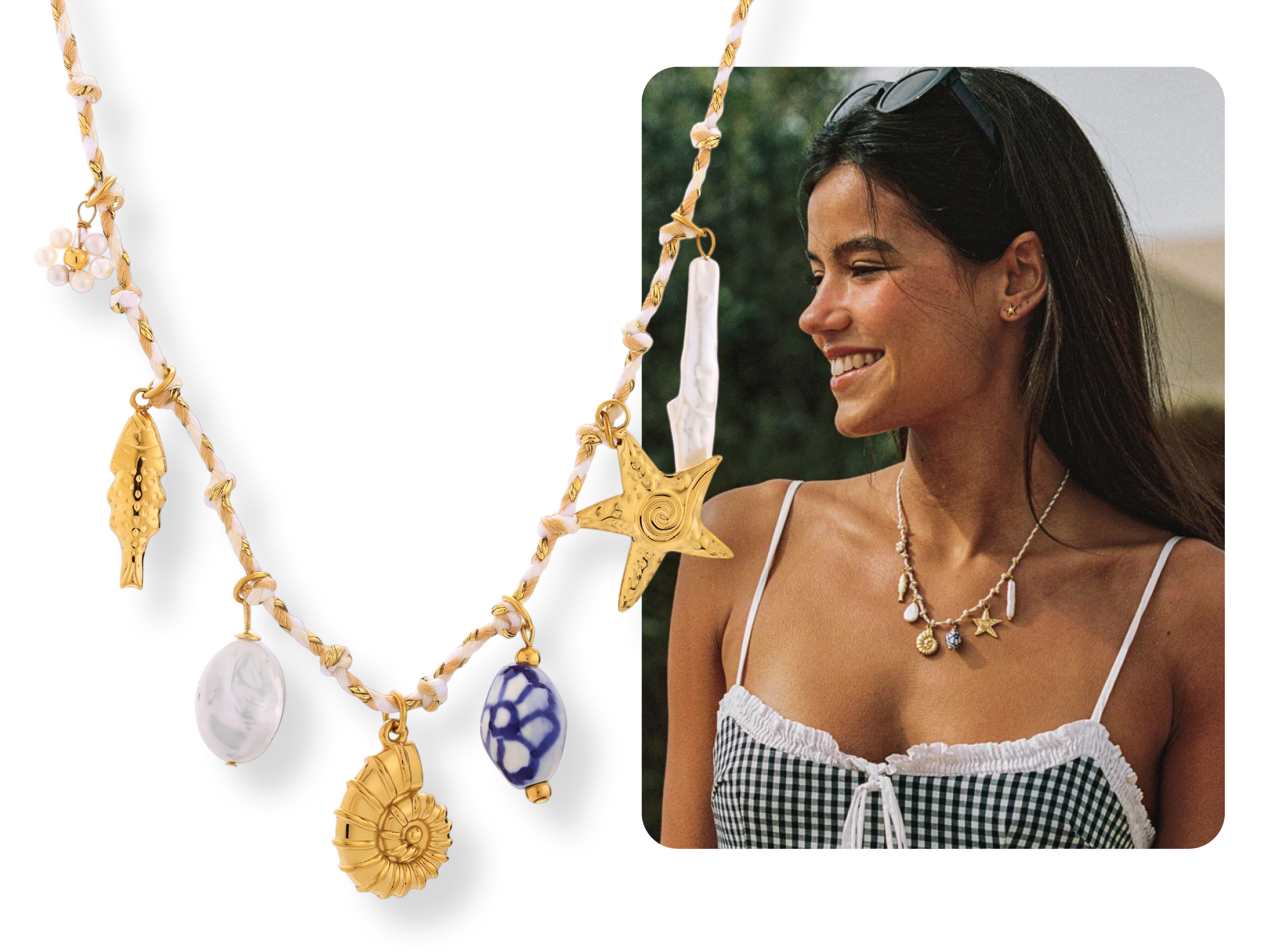 |
| Atolea |
A favourite necklace might come off before a shower, rings might be removed before a workout, or earrings might be left behind when heading to the beach. For consumers who prefer to keep their jewellery on, these small inconveniences can influence what they choose to buy. Many consumers are forced to learn by trial and error!
Waterproof jewellery is a category structured around the idea that style and practicality need not be mutually exclusive. Designed to better withstand water exposure and, depending on the materials used, the demands of everyday wear, these pieces offer an appealing proposition.
Rather than reserving jewellery for particular occasions, consumers can find designs intended to accompany them throughout more of their daily routine – a general trend that is increasingly popular with younger consumers specifically.
The appeal is straightforward. But what does waterproof jewellery actually mean, and what should consumers know before buying?
Beyond the label
The term ‘waterproof jewellery’ sounds simple enough. That said, it encompasses a variety of materials, manufacturing processes, and product claims. No single material or construction method automatically makes every piece waterproof, and products marketed under the same label may offer different levels of durability.
Solid gold, stainless steel, and certain coated metals can all feature in jewellery designed for regular wear around water. However, their properties differ considerably, as do the finishes and components used to create the finished piece.
Gold, for example, is highly resistant to corrosion, although the other metals in gold alloys can influence its behaviour. Stainless steel benefits from a protective chromium-rich oxide layer that helps resist corrosion.
Meanwhile, physical vapour deposition (PVD) can produce a durable decorative coating on a suitable base metal, allowing manufacturers to create gold-tone finishes designed to withstand wear.
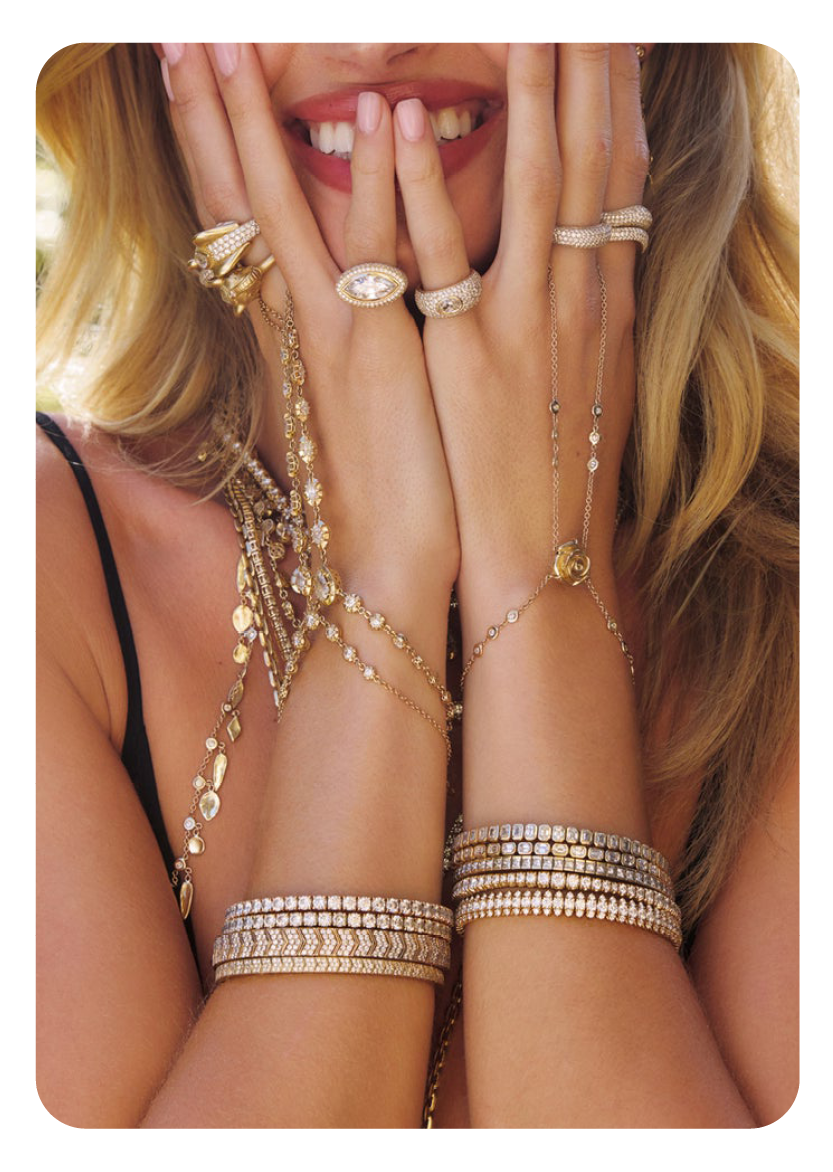 |
| Jacquie Aiche |
These distinctions matter because a piece's performance depends on more than its appearance. A gold-coloured necklace might be solid gold, conventionally gold-plated, or finished using a different coating technology. Each construction has its own characteristics, limitations, and care requirements.
For retailers, understanding those differences is essential. Being able to explain why a particular piece suits everyday wear is far more useful than relying on a broad marketing claim alone!
Designed around everyday life
The strongest selling point of waterproof jewellery may have less to do with water itself than with the convenience it offers.
Modern life is busy! Contemporary routines can involve everything from commuting and working to exercising, travelling and socialising, often with little opportunity to change accessories between activities. Jewellery designed to tolerate regular exposure to moisture offers a practical alternative for consumers who want to wear their favourite pieces more consistently.
There is also an emotional dimension. Jewellery can hold considerable personal significance, and some consumers simply prefer not to remove a meaningful necklace or ring every time their routine changes.
Others appreciate a collection of versatile pieces they can wear from the office to the weekend without constant attention.
Travel is another natural fit. Lightweight, easy-to-style jewellery that can accompany a holiday wardrobe has obvious appeal, particularly for those who prefer to pack fewer accessories.
None of this means every consumer wants to shower or swim in their jewellery. Nor should waterproof properties be confused with scratch resistance or an absence of maintenance. Instead, the appeal lies in having more flexibility in when and how you wear a piece.
That distinction provides a useful starting point for understanding the category's place in the broader jewellery market – and the extra value it can offer your jewellery store when it comes time to get a sale across the line.
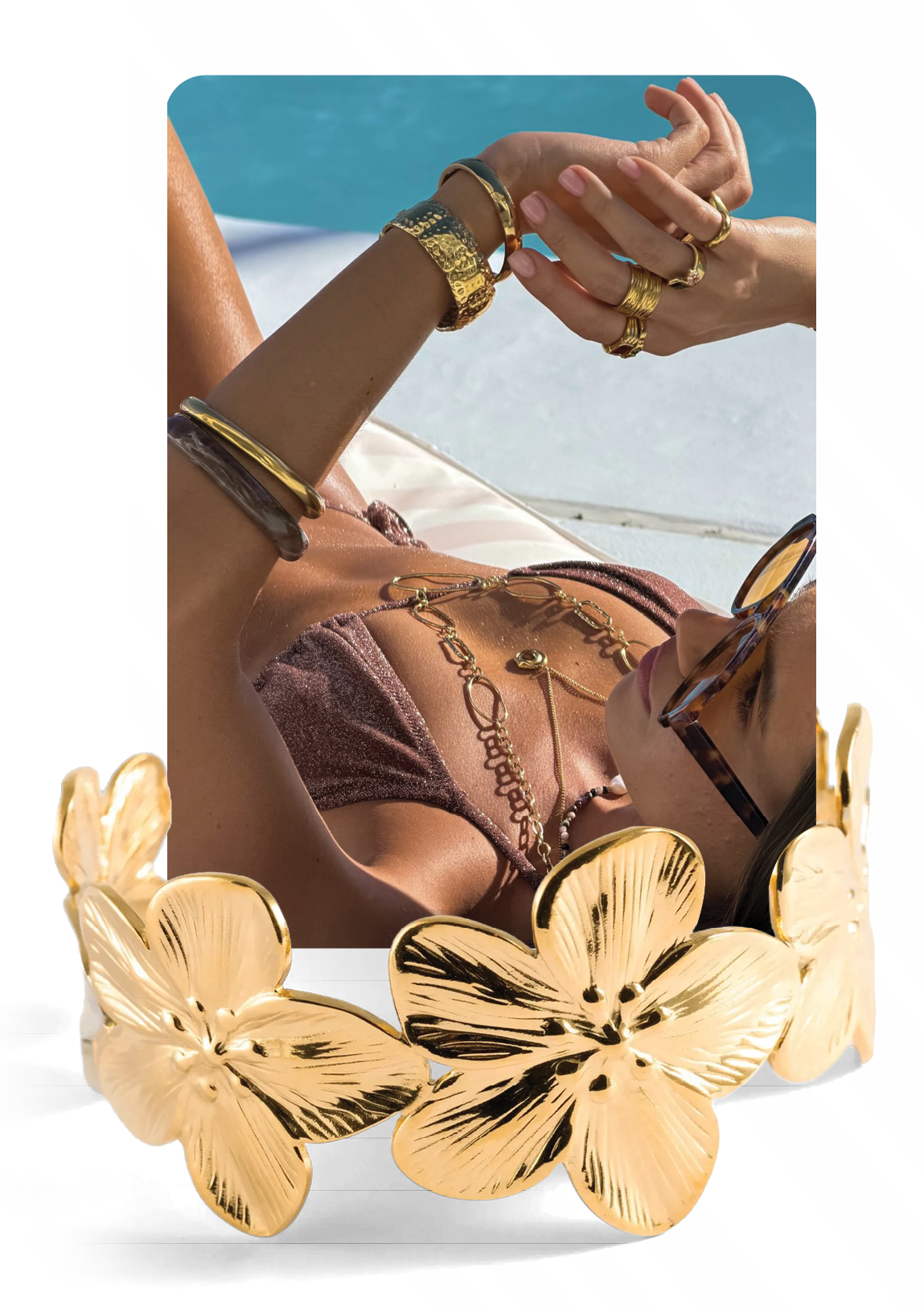 |
| Harli + Harpa |
Durability has its limits
Of course, no jewellery is entirely immune to wear and its surrounding environment. Water resistance, corrosion resistance and tarnish resistance describe different properties.
A piece may tolerate occasional contact with water but may not with stand prolonged exposure to salt water, chlorinated pools, or cleaning chemicals. Similarly, a durable metal finish does not necessarily protect delicate gemstones, adhesives, or other components.
Gold-plated jewellery illustrates the difference. Its performance depends partly on the thickness and durability of the gold layer, the underlying metal, and how the piece is worn. With repeated friction, the coating can gradually wear away, potentially exposing the base metal beneath.
Even jewellery made from corrosion-resistant materials can be affected by abrasion, harsh chemicals, or surface damage. Settings and decorative elements introduce further considerations, particularly when a design incorporates pearls, treated gemstones, or glued components.
Consumers should understand what a waterproof claim covers, whether it applies to the entire piece or only certain components, and what care the manufacturer recommends.
For jewellers, realistic expectations are part of the value proposition. A product that performs as promised is more likely to inspire confidence than one sold with exaggerated assurances. It’s not worth risking repeat sales over the next decade just to close a single transaction today.
An opportunity at the counter
For jewellery retailers, waterproof jewellery creates an opportunity to approach product selection from a slightly different angle.
Rather than starting with metal colour, design, or price, the conversation can begin with how a customer intends to wear a piece. Is it an everyday necklace? A pair of hoops for travel? A gift for someone who prefers uncomplicated accessories? Understanding the intended use helps you choose the right materials and construction methods.
The category can also complement an existing jewellery offering. Waterproof designs need not replace fine jewellery or compete directly with pieces intended for special occasions. Instead, they can serve a different purpose within a customer's collection, sitting alongside treasured pieces that may require more careful handling.
There may also be opportunities to build coordinated collections around everyday essentials, from earrings and necklaces to rings and bracelets. Customers who appreciate the convenience of one suitable piece may be interested in complementary designs, provided the materials and performance claims are consistent.
Price positioning will naturally vary according to the materials, manufacturing processes, and brand involved. The important consideration is that customers understand what they are paying for, whether that means solid gold, a particular coating, or a design intended to offer practical durability at a more accessible price point.
Equally, staff need the knowledge to explain the differences confidently. Familiarity with materials, finishes, and care instructions can turn a potentially confusing label into a meaningful product benefit and strengthen the customer relationship.
Practicality meets personal style
Some people believe jewellery should fit how they live, rather than forcing them to adapt their routines around it. Others disagree – there’s no right answer.
Regardless, the appeal rests on a combination of design, materials and convenience, with the precise benefits depending on the individual product. For consumers, that can mean greater flexibility in choosing what to wear every day. For retailers, it offers another way to match products to lifestyles and expectations among consumers.
The opportunity is not to promise jewellery that will last forever without care. It is to offer pieces designed for particular needs, explain their capabilities honestly, and help customers make informed choices.
Waterproof jewellery is less about making water the centre of the story than removing an everyday consideration that can influence how jewellery is worn. And in a market where practicality and personal expression increasingly meet at the point of purchase, that is a proposition worth exploring.
Read eMag